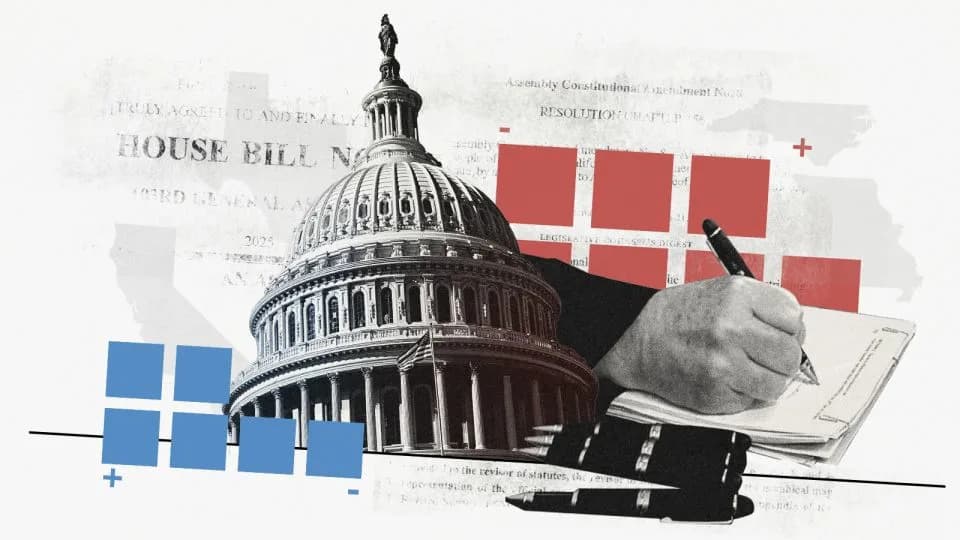
Sen. Joni Ernst introduced the Where’s WALDO Act to compel OPM to publish a searchable public directory of federal employees and contractors listing names, duties and pay. The move follows an Open The Books report that found roughly 2.9 million civil servants with a $270 billion payroll (plus 30% benefits) and about 383,000 redacted names totaling $38.3 billion. OPM has signaled support; if enacted, the agency would have 18 months to build the directory.
‘Where’s WALDO’ Act: Ernst Proposes Public Directory of Federal Employees Citing Hundreds of Thousands Of Redactions

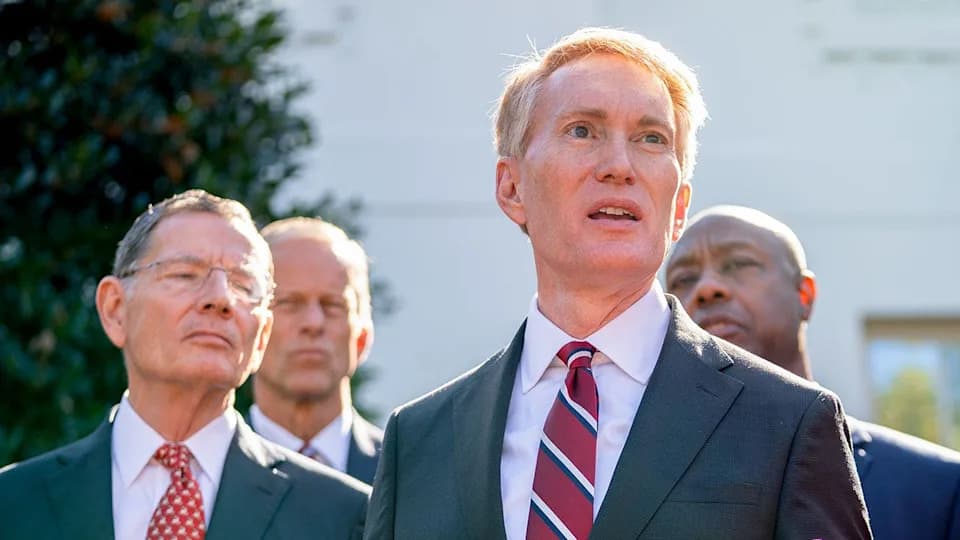
Sen. Joni Ernst, R-Iowa, speaks to reporters on Capitol Hill.
Sen. Joni Ernst (R‑Iowa) has introduced the Where’s the Workforce At Listed by Duties and Office (Where’s WALDO) Act, a bill that would require the U.S. Office of Personnel Management (OPM) to publish a searchable public directory of federal employees and contractors, including names, job descriptions and pay details.
Background and Report
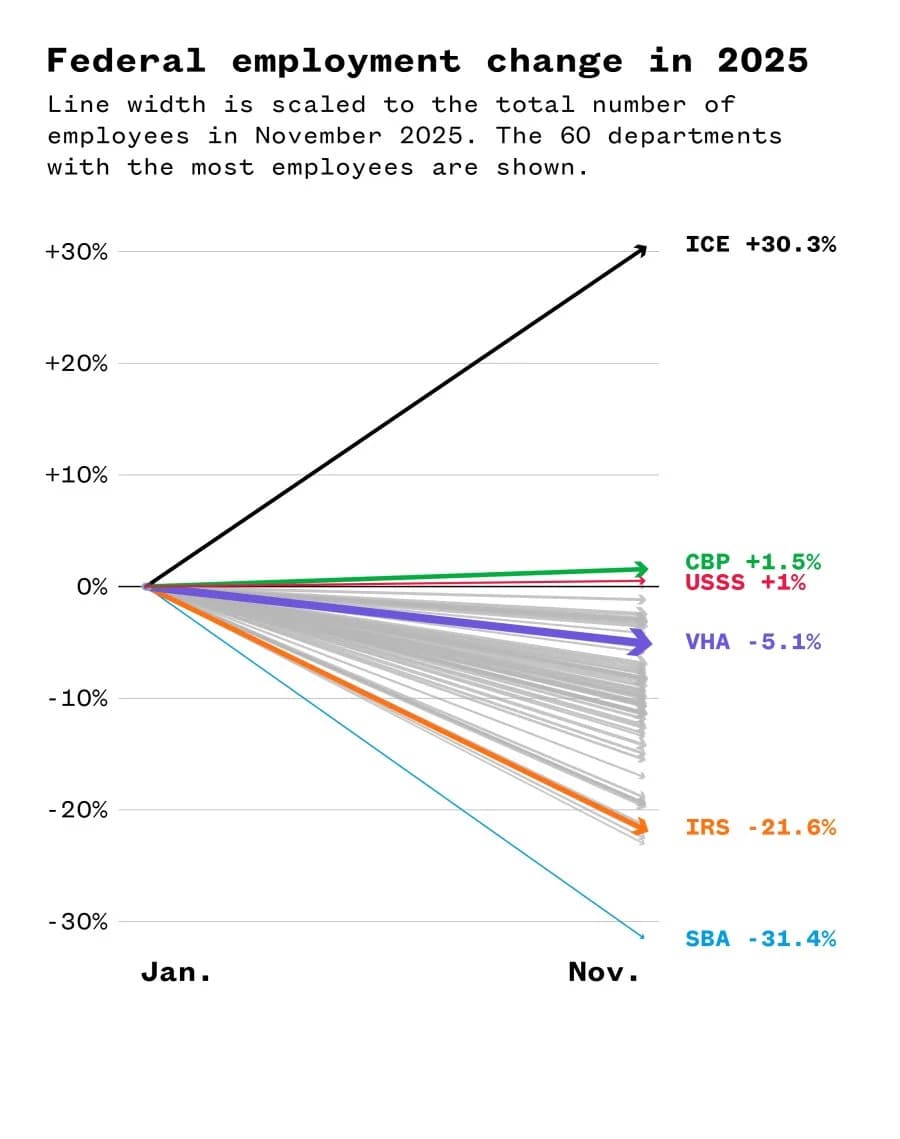
The proposal follows a report from Open The Books, a project of the nonprofit American Transparency, which analyzed publicly disclosed federal salaries for fiscal year 2024. The watchdog group reported roughly 2.9 million civil service employees with an aggregate payroll of about $270 billion, plus an estimated 30% for benefits.
Key Findings Cited by Supporters
Open The Books says payroll costs have grown far faster than headcount since 2020: while employee numbers rose about 5%, reported payroll grew substantially more. Using the group's calculations, the federal workforce now costs taxpayers approximately $673,000 per minute, $40.4 million per hour and just under $1 billion per day.

The U.S. capitol building in Washington D.C.
Numbers highlighted in the report include: nearly 1,000 federal workers earning more than the president's $400,000 annual salary; 31,452 non‑War Department employees paid more than every governor in the 50 states; and 793,537 federal employees earning $100,000 or more.
The watchdog also reported that the number of federal employees making $300,000 or more rose 84% since 2020, while those earning $200,000 or more increased by 82% over the same period. During its investigation, Open The Books found that roughly 383,000 federal worker names across 56 agencies were redacted from public disclosures, representing about $38.3 billion in pay that could not be attributed to named individuals in the records it reviewed.
Supporters' Arguments
Sen. Ernst described the bill as a commonsense step toward transparency. She argued taxpayers should be able to see where federal employees work and how much they are paid without having to hunt for the information.
John Hart, CEO of Open The Books, told Fox News Digital that the current administration has a "historic opportunity" to increase transparency in the administrative state. He said routine, real‑time disclosures by OPM would improve taxpayer accountability and help curb administrative bloat.
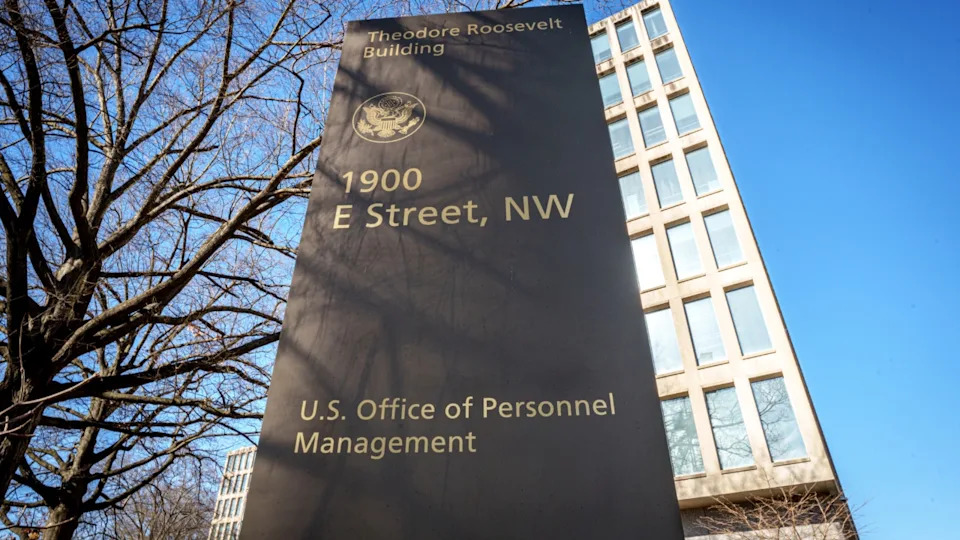
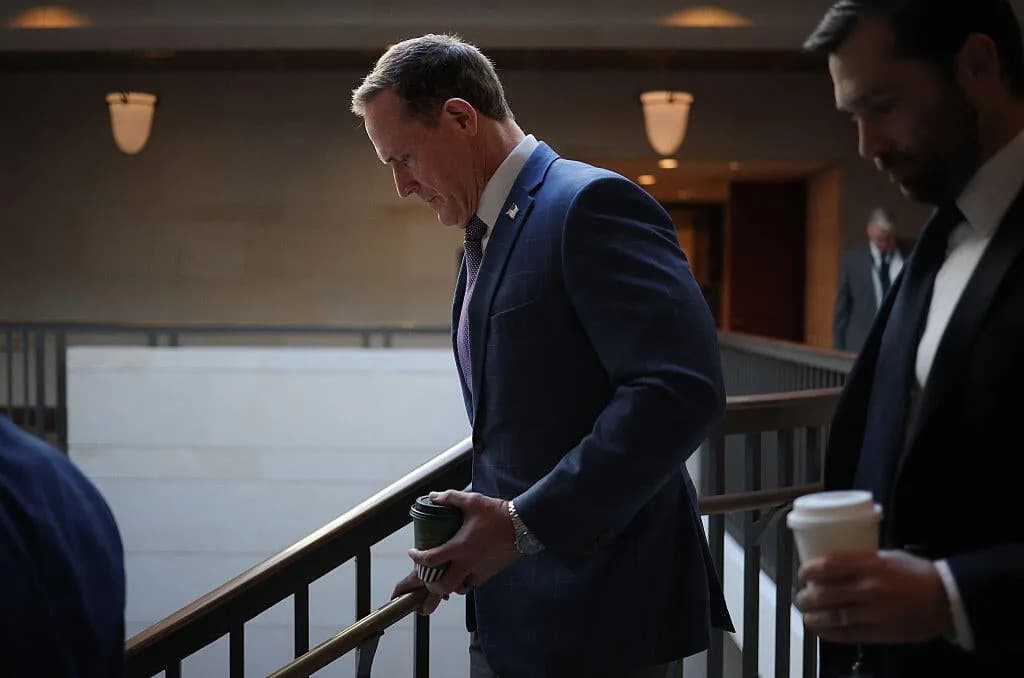
The U.S. Office of Personnel Management headquarters Jan. 29, 2025, in Washington, D.C.
OPM Reaction and Bill Details
An OPM spokesperson told Fox News Digital the agency "is proud to support" Ernst's proposal and called the measures "common sense," emphasizing that transparency and accountability help maintain public trust while noting employee privacy should be protected where appropriate.
Under the Where’s WALDO Act, OPM would have 18 months after enactment to develop the directory. The bill specifies that each directory entry must include the employee's name, job title, a description of duties, employing agency, primary duty station, annual rate of pay including bonuses, and the date the individual began working. The proposal would cover both federal employees and contractors.
Implications and Conversation
Proponents say the directory would make government compensation more transparent and allow taxpayers and lawmakers to better assess workforce performance and cost. Critics may raise privacy and security concerns for certain positions or question whether published salary data fully captures the complexities of federal hiring, benefits and contractor arrangements. If the bill advances, debates over those tradeoffs are likely.
Help us improve.