
Researchers examined 646 skeletons from south and central England and found that Roman-era urban centres experienced a clear rise in disease and developmental stress compared with the Iron Age. A new method focused on infant and female remains—often better preserved—revealed intergenerational health impacts tied to overcrowding, pollution and lead exposure. Rural areas showed only minor changes. The findings also highlight modern parallels between urbanisation, inequality and child health.
Roman Rule Worsened Urban Health in Britain, Study Finds — Infants Reveal Lasting Impact

Roman occupation brought new diseases to Britain, archaeologists find
New research suggests the Roman occupation of Britain, beginning in 43 AD nearly 2,000 years ago, brought not only political change but also heightened disease burdens and deeper social inequalities — especially in towns and cities.
Archaeologists argue that rapid urbanisation under Roman rule produced overcrowded and polluted living conditions, limited access to resources for many communities, and increased exposure to contaminants such as lead, widely used in Roman plumbing and infrastructure. These changes, researchers say, produced measurable long-term negative effects on public health in urban centres.
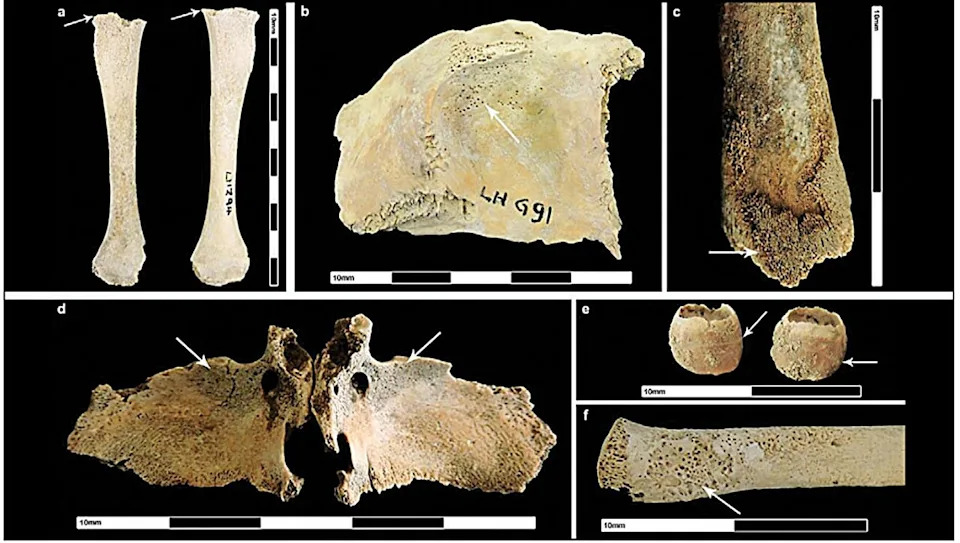
Signs of diseases among Roman-era British children (Rebecca Pitt)
The study, published in the journal Antiquity, addresses gaps in our understanding of health in the preceding Iron Age by focusing on infants and adult females, groups that are often underrepresented in osteological studies. Because Iron Age funerary practices frequently involved cremation or disarticulation of adult bodies, intact adult skeletons are comparatively rare. Infants, however, were more often buried intact, creating a clearer record of early-life health.
Using a new methodological approach to assess population health in the Iron Age and Romano-British period, the researchers examined signs of developmental stressors — markers left on bones by disease, malnutrition, or other trauma that can affect growth, lifelong health, and even subsequent generations.
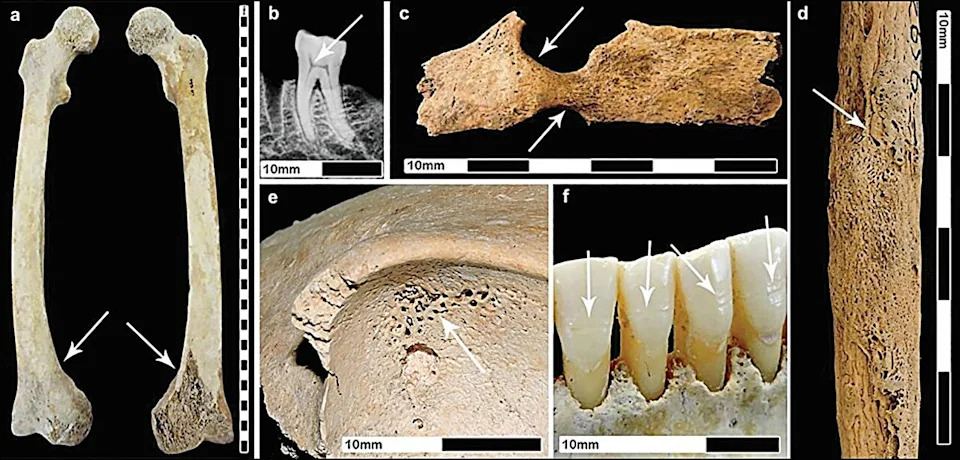
Indicators of stress on some of the Roman Period adult female skeletons (Rebecca Pitt, Antiquity (2025))
“By looking at mother–infant experiences together, we can observe the long-lasting impact urbanisation has on the health of individuals, with negative health signatures passed from mothers to their children,” said Dr Rebecca Pitt (University of Reading), a lead author on the paper.
In total, the team analysed 646 skeletons (372 children and 274 adult females) from urban and rural Iron Age and Romano-British sites across south and central England. Their results show a clear rise in disease prevalence and other negative health markers in urban areas during the Roman period. Rural communities showed only a small increase in pathogen exposure and no significant overall shift in health between the Iron Age and Romano-British periods.
The authors link the urban health decline to factors associated with Roman urban life: dense settlement, inadequate sanitation by today’s standards, contaminated food and water, and greater exposure to environmental toxins such as lead. The study’s combined mother–infant perspective helps reveal intergenerational transmission of stressors that can persist beyond a single lifetime.
Researchers note modern parallels. Dr Pitt warned that rising pollution and economic pressures today can similarly impair child development and produce long-term public-health consequences. While the historical context differs, the study highlights how urbanisation and inequality can shape population health across generations.
Study citation: Research published in Antiquity; lead author Rebecca Pitt, University of Reading.


