AFP traced how hundreds of former Colombian soldiers were recruited via WhatsApp and routed through the UAE, eastern Libya and Bosaso, Somalia, before being deployed to fight with Sudan’s RSF. Recruits were promised Emirati pay of $2,500–$4,000 a month, but many died or were implicated in violent operations in Darfur that included alleged mass killings, sexual violence and child recruitment. US sanctions named individuals and firms tied to the network while Emirati officials deny providing support to RSF.
From The Andes To Darfur: How Colombian Veterans Were Recruited Into Sudan’s Deadly Conflict

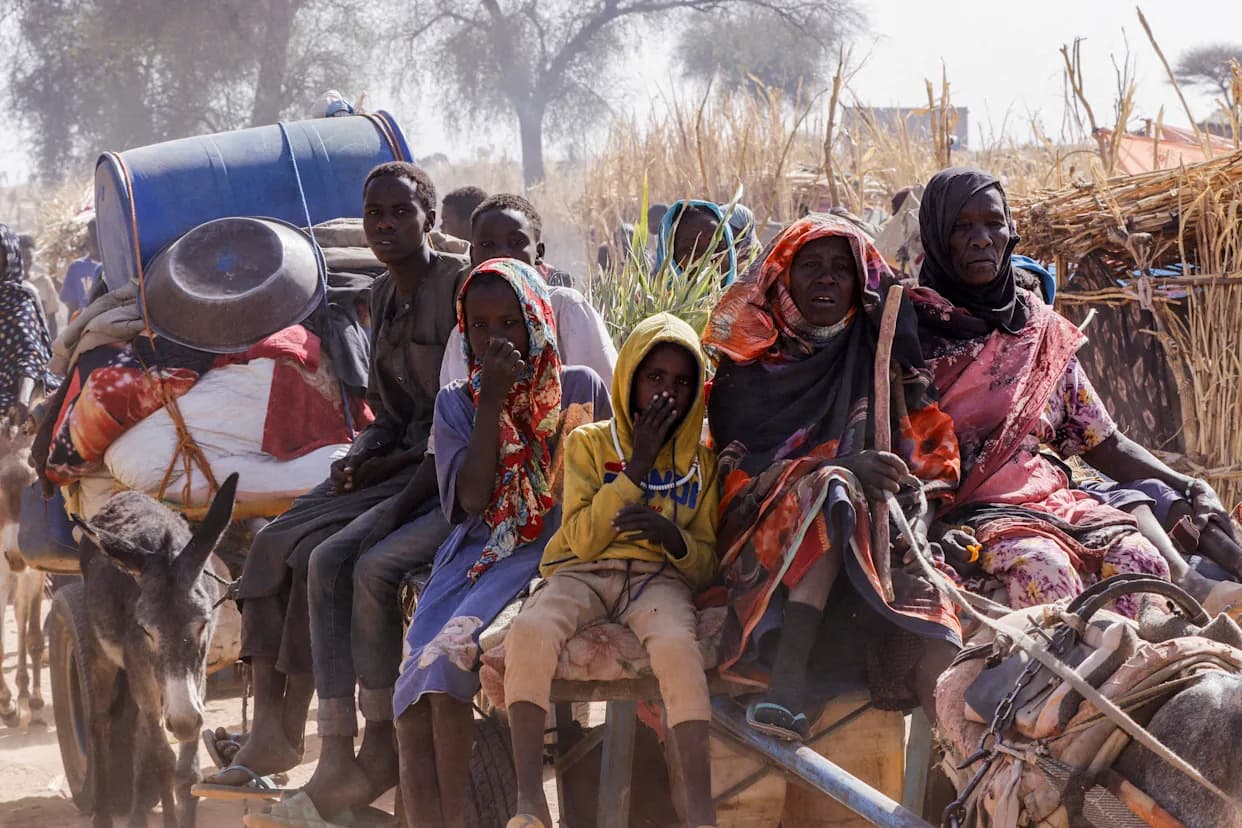
Survivors of the paramilitary siege of El-Fasher sought refuge in makeshift shelters (-)(-/AFP/AFP)
Hundreds of former Colombian soldiers were recruited and routed thousands of miles to fight in Sudan’s war, an AFP investigation shows. Promised high pay on Emirati payrolls, many ex-soldiers instead found themselves in brutal campaigns in Darfur marked by mass killings, rape, famine and the recruitment of children.
Overview
Using interviews with family members and former mercenaries, corporate records and geolocation of battlefield footage, investigators traced a transnational network that funneled Colombian recruits from the Andes to the Rapid Support Forces (RSF) in Darfur. The network combined online outreach, private contractors and transit hubs across the Middle East and the Horn of Africa.
How Recruits Were Lured
Many Colombians were contacted via WhatsApp messages inviting retired or reserve soldiers to take up security work abroad. Recruits were told they would be stationed in the United Arab Emirates for short training stints and paid between $2,500 and $4,000 a month — sums that, in many cases, far exceeded domestic military pensions.
“Any veterans interested in working? We're looking for reservists from any force,” read one recruitment message. Several former recruits told investigators that Dubai was described as a stopover before deployment to “Africa.”
Transit Routes And Logistics
AFP’s reporting and supporting documentation indicate at least two main corridors into Sudan:
- Through eastern Libya — a corridor aligned with UAE interests and controlled by forces allied to Khalifa Haftar.
- Via Bosaso in Somalia’s Puntland region — where sources say a section of the airbase hosts Emirati personnel and where cargo aircraft, including Ilyushin IL-76D freighters, have been frequently observed.
Investigators geolocated social media and battlefield footage showing Colombian fighters in Libya and on convoys and in Darfur. Flight tracking and satellite imagery corroborate intense cargo-plane movements through Bosaso and other transit points.
Role On The Ground In Darfur
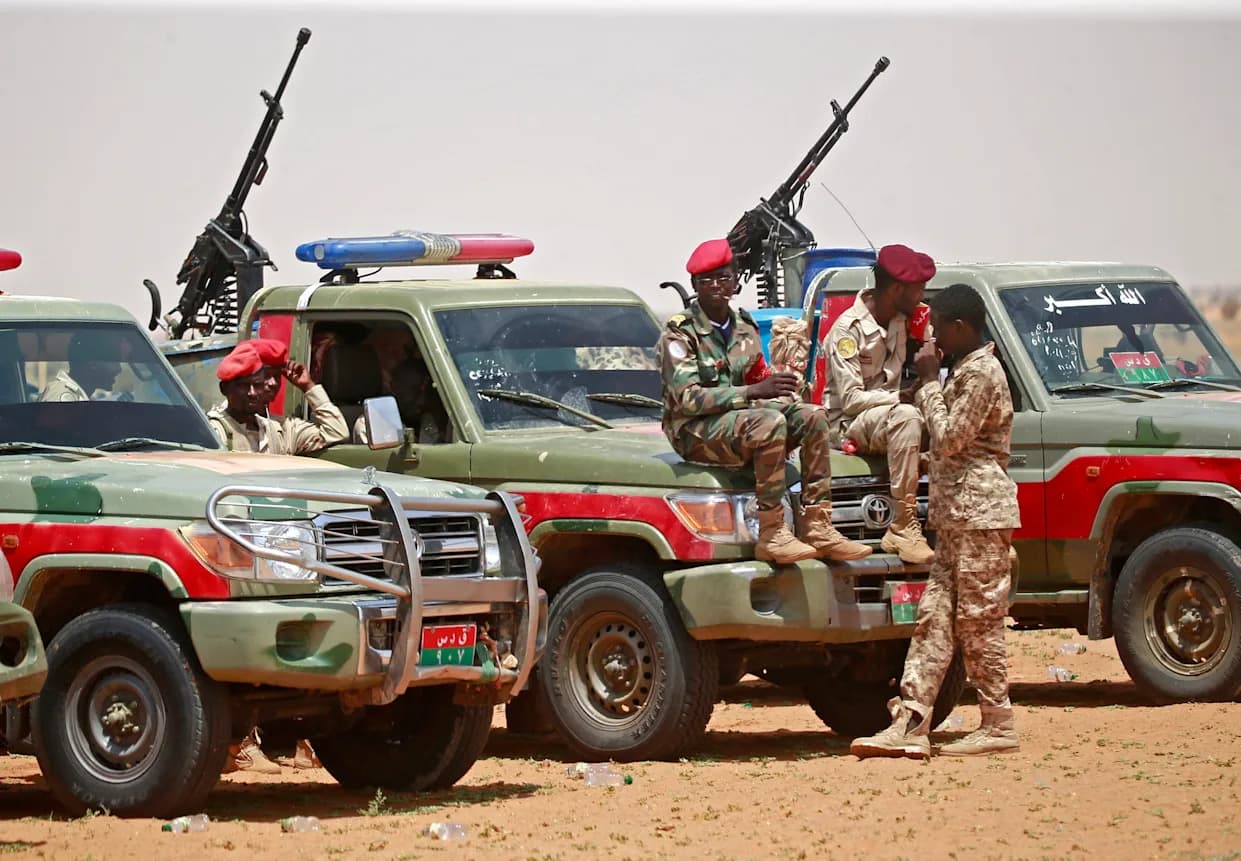
Colombian veterans were prized for skills in drone operations, artillery and long-range tactics. Verified videos and eyewitness accounts place some Colombians at key flashpoints such as El-Fasher and the burned Zamzam camp, which survivors say was the scene of mass displacement and killings in April. Clips show fighters posing with children holding assault rifles and training insurgents to use rocket launchers.
Sudanese army-aligned authorities report dozens of Colombian fatalities; militia sources estimated about 80 Colombians took part in the siege of El-Fasher. Family members in Colombia report bodies and ashes returned home, or loved ones missing and unrecovered.
Who Organized The Network?
AFP reporting points to retired Colombian colonel Alvaro Quijano as a central recruiter. Documents suggest his firm, International Services Agency (also known as A4SI), facilitated moves through the UAE and onward routes into Libya and Somalia. The US Department of the Treasury has sanctioned Quijano, his wife Claudia Oliveros, and other Colombians and companies cited as nodes in the recruitment network.
Investigators also identified an Abu Dhabi–based private security company, Global Security Services Group (GSSG), as a financial node in contracts seen by AFP. Corporate records list Mohamed Hamdan Alzaabi as GSSG’s owner; some public website content naming Emirati ministries as clients was later removed.
Sanctions, Denials And International Response
On December 9, the United States sanctioned four Colombian nationals and their companies for roles in the transnational recruitment network. US officials and UN experts have also raised allegations that some recruits trained child fighters and participated in abuses that may amount to war crimes. The UAE has repeatedly denied providing arms, financing or other support to any warring party in Sudan and described some allegations as disinformation.
Human Cost
The fallout has been devastating for families in Colombia. Relatives describe being unable to recover bodies, receiving ashes, or losing contact with loved ones who departed after answering recruitment messages. Colombian lawmakers have since passed a law banning mercenary recruitment amid rising public outrage.
Key Evidence And Methods
AFP’s findings rely on a combination of: interviews with sources and families; documents and contracts signed by recruits; corporate filings; geolocation of videos and photos posted by fighters; satellite imagery and flight-tracking data; and testimony from former partners and employees of recruitment firms.
Note: Allegations in this investigation include serious claims of human-rights abuses and foreign facilitation. Several parties named — including Emirati entities and individuals — have denied the accusations. Investigations and sanctions are ongoing.
Help us improve.