Russian state TV host Vladimir Solovyov publicly named Berlin, Paris and Vienna as cities Russia should "destroy" or "liberate," heightening fears that the Ukraine war could expand into Europe. His comments followed a visit to Pokrovsk, which Russian forces have not taken. European leaders — including Hungary's Peter Szijjarto, Britain’s chief of defence and NATO officials — warned that escalation could be catastrophic. President Putin denied plans to invade Europe and dismissed invasion warnings as "hysteria."
Putin Ally Vladimir Solovyov Names Berlin, Paris and Vienna as Targets — European Leaders Warn of Escalation

Vladimir Solovyov
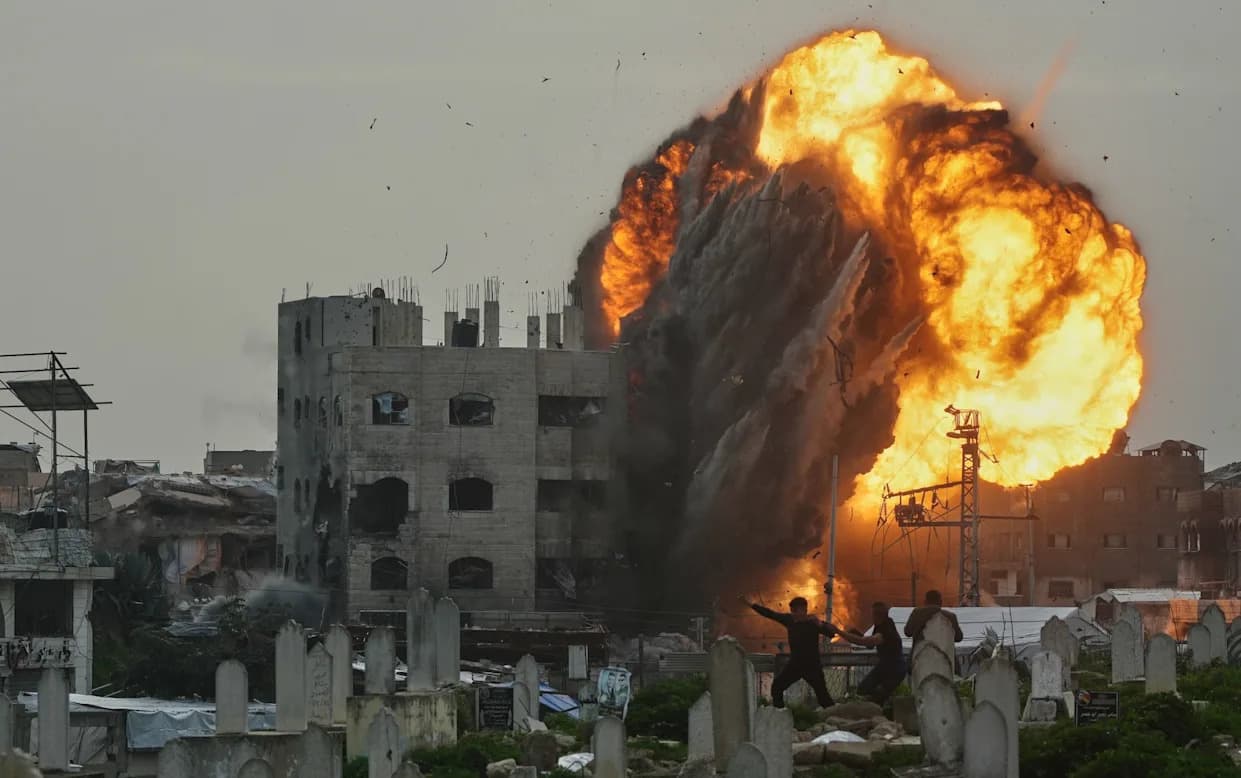
Russian state television presenter Vladimir Solovyov stirred fresh alarm on Tuesday when he named Western capitals that he said Russia must "destroy" or "liberate," intensifying fears that the conflict in Ukraine could spill into a wider European confrontation.
On air, Solovyov declared:
"Once again, we will have to destroy Berlin, and enter this godforsaken city. Once again, we will have to enter Paris. Once again, we will have to liberate Vienna. Well, perhaps the Austrians will reconsider. It doesn’t mean that we want this. But one of the principles postulated by our supreme commander-in-chief is when we are forced to act, then we act."
Those comments followed Solovyov's propaganda visit last week to the Ukrainian city of Pokrovsk, a strategic target that Russian forces have not captured during their prolonged campaign. The remarks come as Western officials and analysts warn that Moscow may seek to widen the conflict beyond Ukraine.
European Officials Express Deep Concern
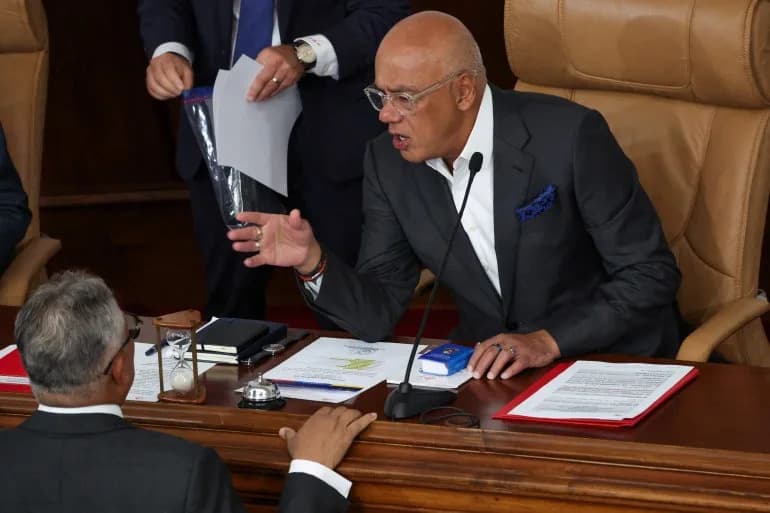
Hungarian Foreign Minister Peter Szijjarto cautioned that growing tensions with Russia risk catastrophic consequences for the continent. He criticized EU plans to use frozen Russian assets, calling such steps "a war provocation of an unprecedented scale," and said Hungary would make clear at the Foreign Affairs Council that "the risk of further escalation is unacceptable" because "if a war were to break out between Europe and Russia, Europe would not survive it."
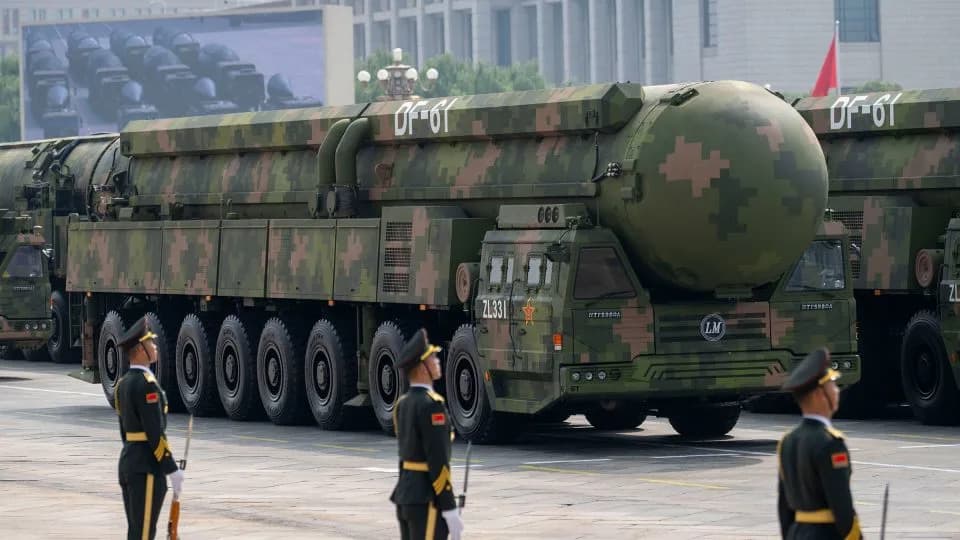
Senior defence and political figures issued similar warnings. Britain’s Chief of the Defence Staff, Air Chief Marshal Sir Richard Knighton, urged nations to prepare for the possibility of armed conflict with Russia, and NATO Secretary General Mark Rutte warned that "the shadow of war is knocking on Europe’s door" and that any future fighting could be "bigger and bloodier" than recent experience.
Past Rhetoric and Official Russian Response
Solovyov has a history of extreme rhetoric. In July he publicly fantasized about a nuclear strike on the United States, remarks that drew international condemnation. On Tuesday he reiterated a refrain often used by Kremlin-aligned figures: that such measures are not desired but could be justified if Russia feels forced to act.
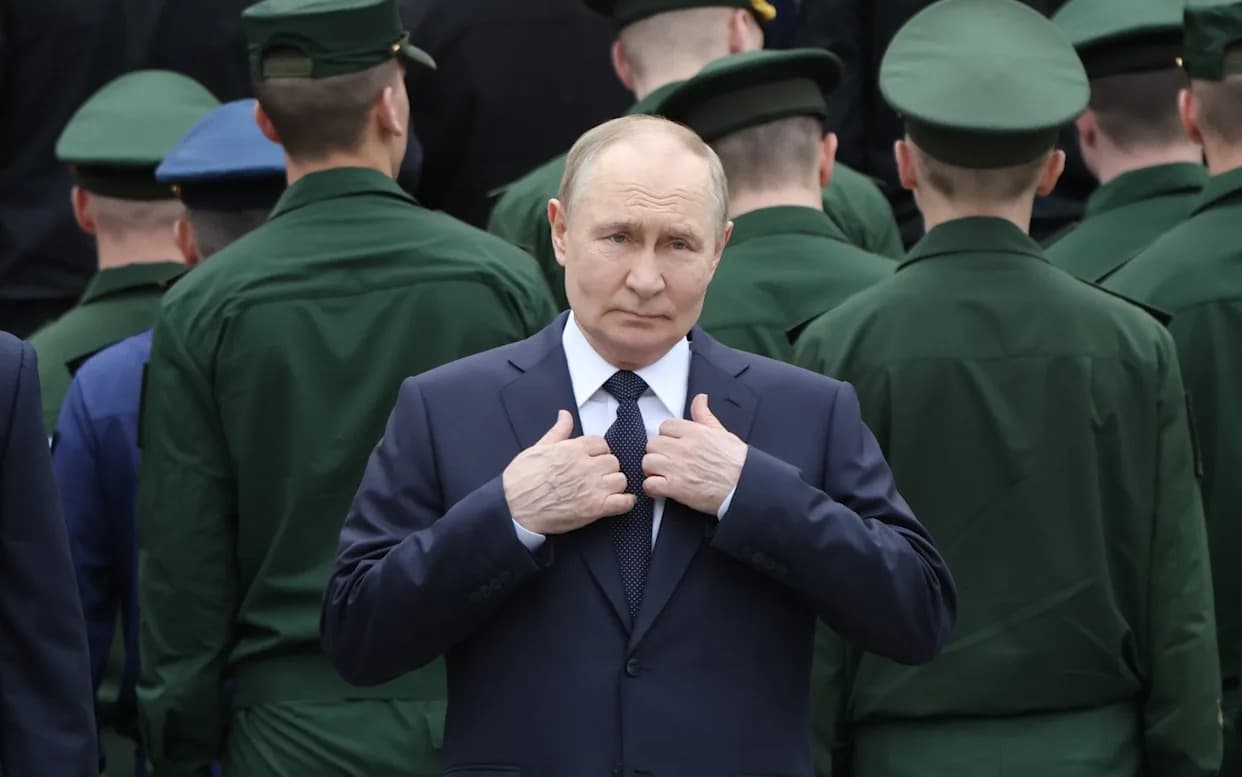
Meanwhile, President Vladimir Putin, speaking in Moscow this week, denied that Russia plans to invade other European countries and dismissed preparations for a potential wider war as "hysteria."
Analysts say inflammatory rhetoric from influential media figures can raise tensions and complicate diplomacy, even when not formally endorsed by a government. Western leaders continue to balance deterrence and diplomacy as they respond to both military actions in Ukraine and escalatory public statements from Russian commentators and officials.
Help us improve.