After years of pandemic disruption followed by nearly four years of war, a generation of Ukrainian children faces prolonged isolation, damaged schools and persistent danger. In the Kharkiv region — where towns like Balakliia were occupied and later retaken — many students study partly or entirely online and attend underground classes for safety. Mental‑health professionals report rising anxiety, self‑harm and trauma, even as WHO and UNICEF surveys find notable resilience. Authorities and NGOs have opened resilience centres and trained frontline workers, but resources remain strained.
Ukraine’s Lost Generation: Teenagers Trapped in an 'Eternal Lockdown' After Pandemic and War

Growing up amid the ruins:Bohdan Levchykov, 15, in his hometown Balakliia (OLEKSII FILIPPOV)(OLEKSII FILIPPOV/AFP/AFP)
With a shadow of a moustache and a baseball cap, 15‑year‑old Bohdan Levchykov looks like any teenager — except he embodies the cost of nearly four years of war on Ukraine's youth.
From Balakliia to the Bunkers
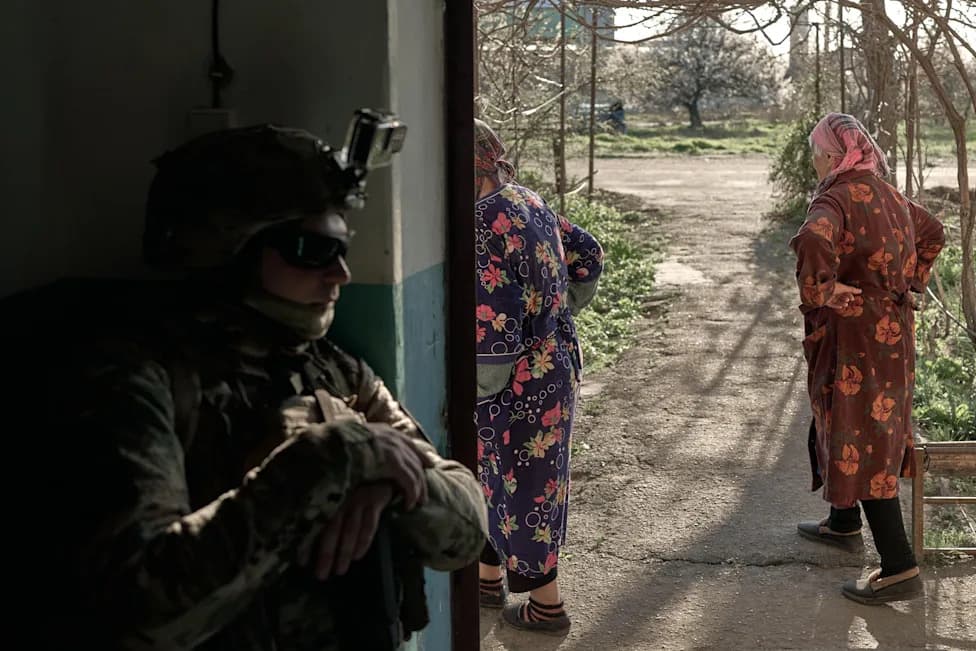
His father, Stanislav, a career soldier, was killed defending Kharkiv shortly after the full‑scale invasion in 2022. Bohdan and his mother, Iryna, 50, returned to their hometown of Balakliia a few days after it was liberated. The town — occupied by Russian forces from March to September 2022 — sits roughly 70 kilometres from the front and continues to suffer regular shelling.
"My mother and I came back a few days after the city was liberated, and there were no children left, no shops open, nothing," Bohdan recalled. Only a fraction of Balakliia's pre‑war population of about 26,000 has returned, mostly older residents. Playgrounds and riverbanks once crowded with young people were mined; although demining has taken place, locals still worry they are not safe.
Schooling Under Siege
Nearly a million Ukrainian children are still taking all or part of their lessons online after successive disruptions: the COVID pandemic beginning in 2020, followed by the 2022 invasion. In the Kharkiv region — on the border with Russia and subject to daily strikes — the isolation is particularly severe.
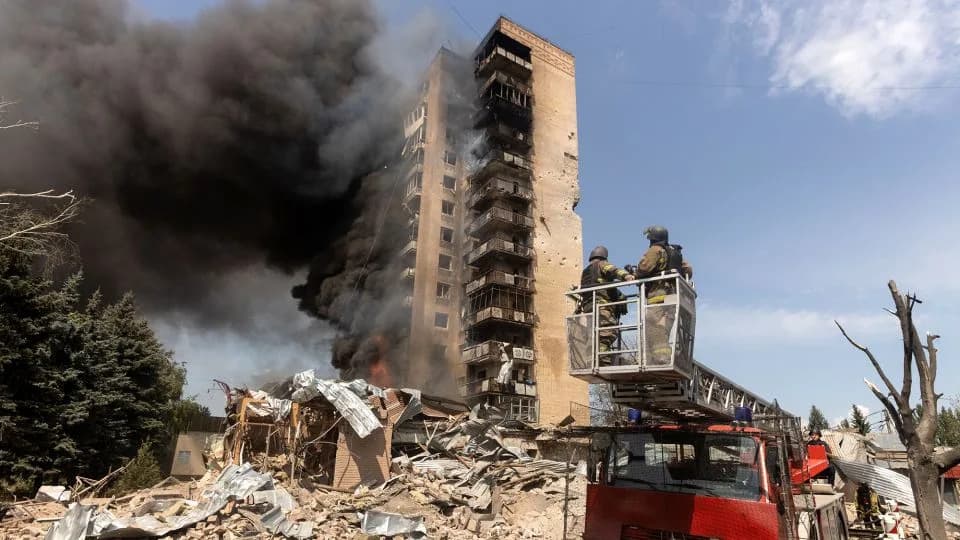
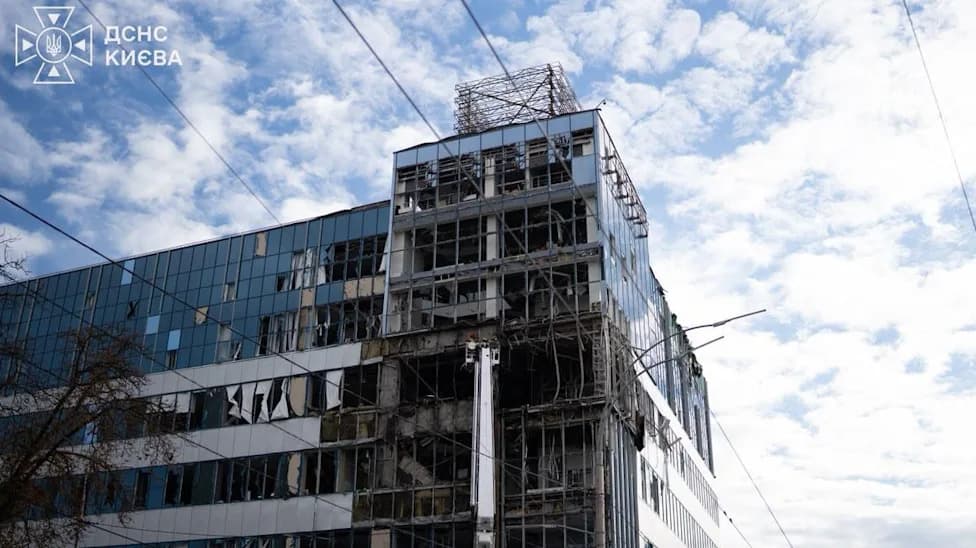
Authorities estimate that some 843 educational establishments in the Kharkiv region have been destroyed or damaged, roughly a fifth of the national total, and investigative outlet Bellingcat has logged over 100 video or photo testimonies showing strikes on or near schools and youth facilities in and around Kharkiv.
Underground Schools and Adaptation
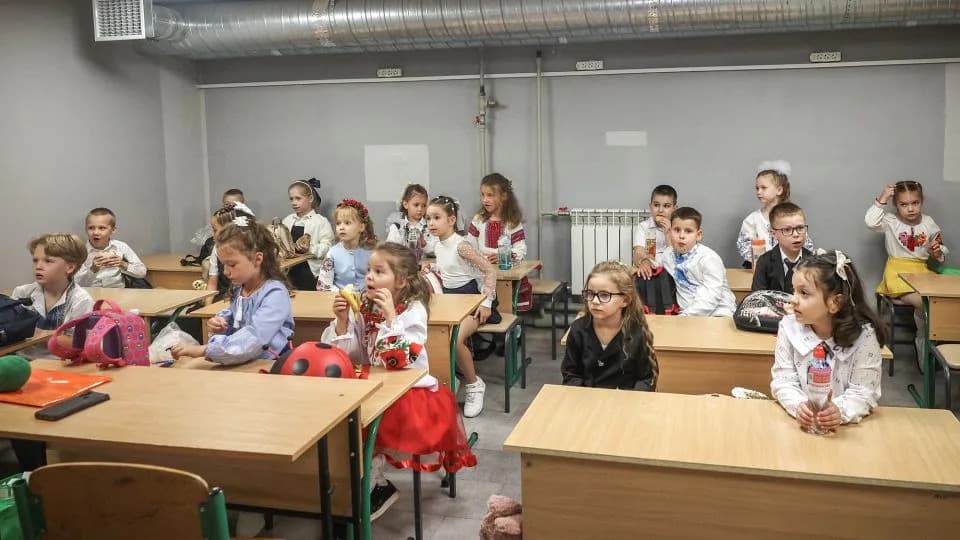
To restore in‑person contact while protecting pupils, Kharkiv city hall plans to open 10 underground schools by the end of the year. These facilities — built or refurbished to shelter standards, in some cases to nuclear shelter levels — operate on split schedules: children spend part of the day in bunkers and finish lessons online so multiple groups can use the same safe space.
Fourteen‑year‑old Yevenhelina Tuturiko said the underground classroom has been a relief. "I really love it, because I can talk in person with my classmates again," she said.
Life Beyond Classrooms: Sports, Pools and Trauma
Official outdoor school sports are banned in the region because of strike risk, but local clubs and coaches continue informal activities where possible, arguing that physical exercise is vital after years of reduced activity. Kharkiv's largest swimming complex, damaged in 2022 and reopened in 2024, now doubles as a place for rehabilitation — and a statement that life must continue despite fear.
"You can't live in constant fear," said educator Ayuna Morozova. "Water and swimming cure everything."
Mental Health: Strain and Resilience
Psychologists and aid workers describe serious emotional costs. Maryna Dudnyk, who runs play workshops for children, hears repeated reports of anxiety, fear and, in teenagers, self‑harm and suicidal thoughts. Ukraine has limited mental health resources: the government acknowledges a shortage of psychologists and has tried to compensate by training about 130,000 frontline health workers in basic mental‑health care.
The government has also opened 326 "resilience centres" across the country, with plans for hundreds more.
Evidence From Surveys
World Health Organization researchers who surveyed 24,000 Ukrainians aged 11–17 at the end of 2023 reported a deterioration in psychological wellbeing and a significant fall in reported happiness — but also a notable level of resilience. UNICEF research found that for many children, exams caused more stress than air‑raid sirens, underscoring how war has become an entrenched part of daily life.
Lives Interrupted, But Dreams Persist
Despite loss, displacement and ongoing danger, many young people keep studying, playing and planning for the future. Bohdan draws and chats online with friends, including a girl named Lana in Dnipro, and dreams of meeting her in person. Yet strikes persist: Balakliia was hit again on November 17, killing three people about 300 metres from Bohdan's apartment.
Key facts: nearly 1 million children study partially or fully online; Kharkiv region reported about 843 schools damaged; Bellingcat logged 100+ strike testimonies near youth facilities; Kharkiv will open 10 underground schools; Ukraine has opened 326 resilience centres and trained 130,000 frontline health workers in mental health.
Help us improve.