The IRC’s 2026 Emergency Watchlist warns of a “new world disorder” in which geopolitical rivalry, shifting alliances and a 50% drop in humanitarian funding risk deepening global crises. Sudan and Palestine top the list: Sudan’s nearly three-year war has killed an estimated 150,000 and displaced over 12 million, while Gaza faces catastrophic losses and widespread food insecurity. The report highlights dwindling UN action, growing impunity, and massive unmet needs — 117 million displaced and 40 million facing severe hunger — and calls for urgent international action.
‘New World Disorder’: IRC Names Sudan and Palestine Top Risks on 2026 Emergency Watchlist

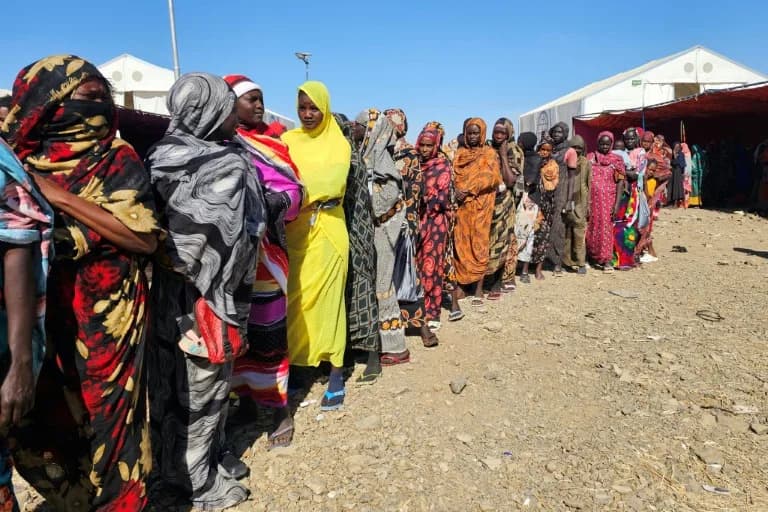
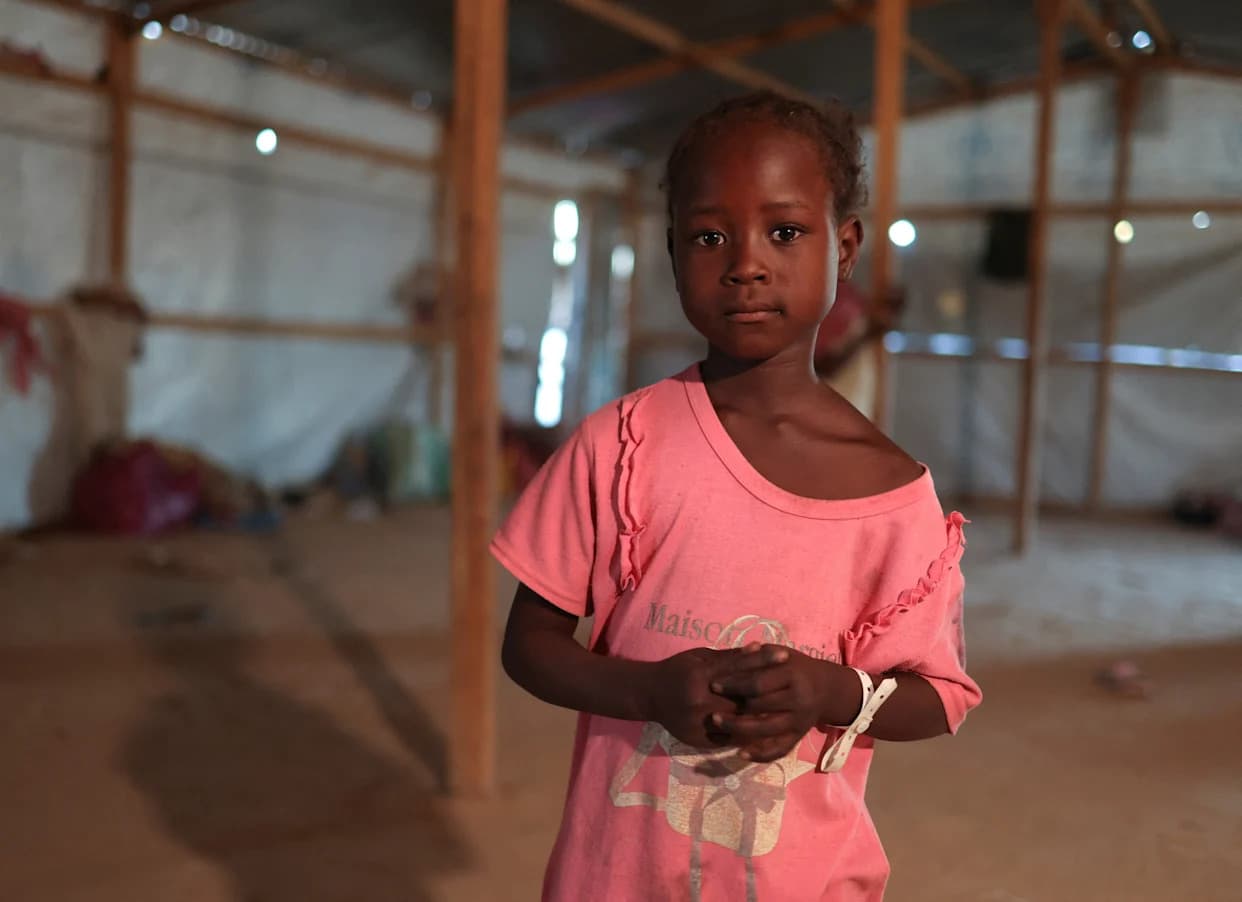
Sudanese girls who fled el-Fasher receive humanitarian aid at the al-Afad camp for displaced people in the town of al-Dabba, northern Sudan in November 2025 [File: Ebrahim Hamid/AFP]
The International Rescue Committee’s (IRC) 2026 Emergency Watchlist warns that a rising tide of global instability — driven by geopolitical rivalry, shifting alliances and shrinking humanitarian funding — threatens to deepen crises worldwide. Sudan and Palestine again top the IRC’s ranking of the 20 most serious humanitarian emergencies, a list released on Tuesday.
What the Report Finds
The Watchlist highlights a “new world disorder” characterised by intensifying great-power competition, transactional diplomacy and eroding collective responses to humanitarian crises. The IRC warns these trends have produced “a cascade of crises and eroding support for the world’s most vulnerable.”
“Disorder begets disorder,” said IRC president David Miliband. “This year’s Watchlist is a testament to misery but also a warning: without urgent action from those with power to make a difference, 2026 risks becoming the most dangerous year yet.”
Scale Of Need And Funding Shortfalls
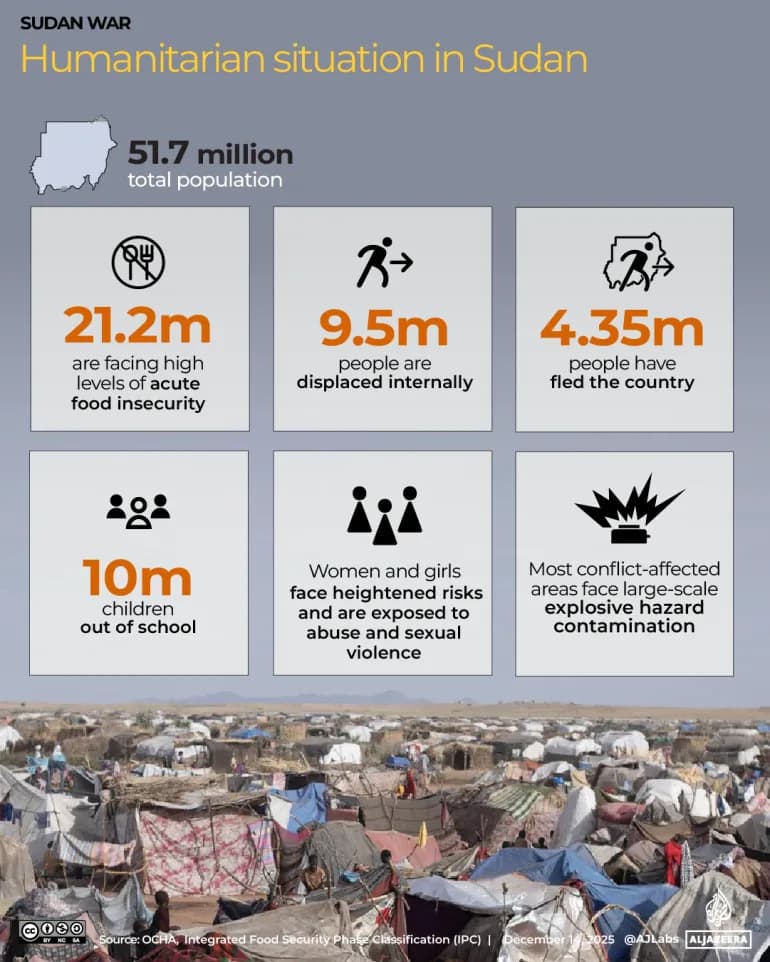
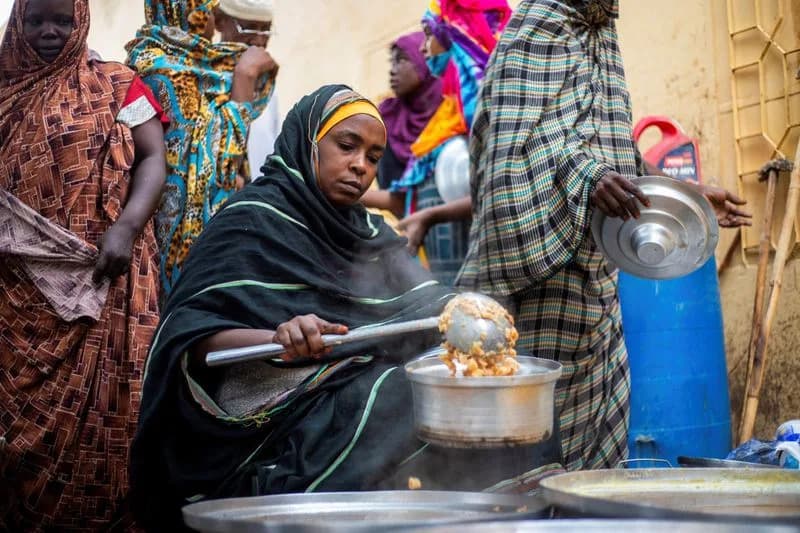
The report stresses stark global needs: about 117 million people are forcibly displaced and 40 million face life-threatening “severe hunger.” Yet humanitarian funding has contracted by roughly 50 percent, creating a widening gap that leaves aid agencies unable to keep pace with demand.
Sudan: Prolonged War And Regional Complicity
Sudan tops the list for the third consecutive year after nearly three years of conflict between the Sudanese Armed Forces and the paramilitary Rapid Support Forces (RSF). The IRC estimates the war has killed some 150,000 people and displaced more than 12 million. Around 33 million Sudanese now require humanitarian assistance, and roughly 207,000 are facing “catastrophic” levels of food insecurity.
The report points to the role of regional backers that, it says, have fuelled the conflict: “Large quantities of gold flow out of the country, while weapons move in the opposite direction,” the IRC notes, while declining to name specific actors. The United Arab Emirates has been widely accused of supporting the RSF; the UAE denies those claims.
Palestine: Gaza’s Humanitarian Catastrophe And West Bank Violence
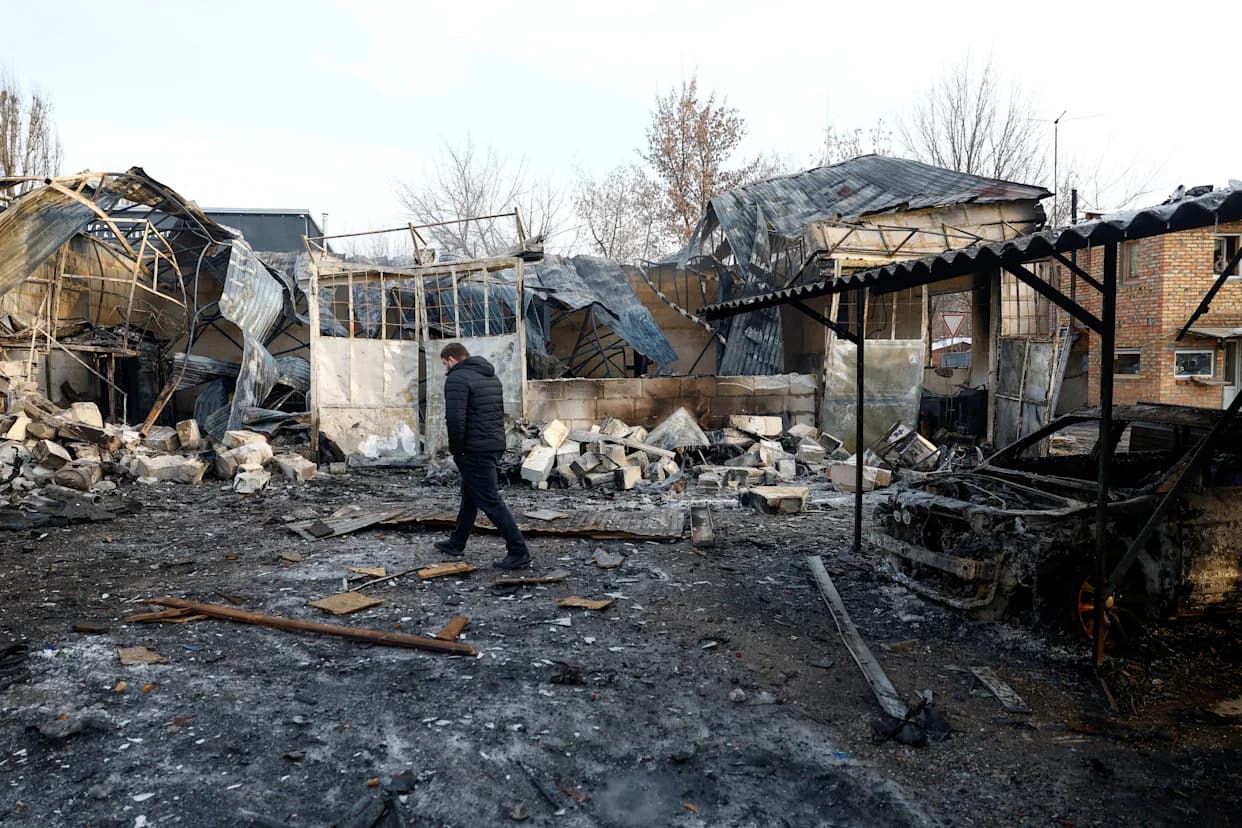
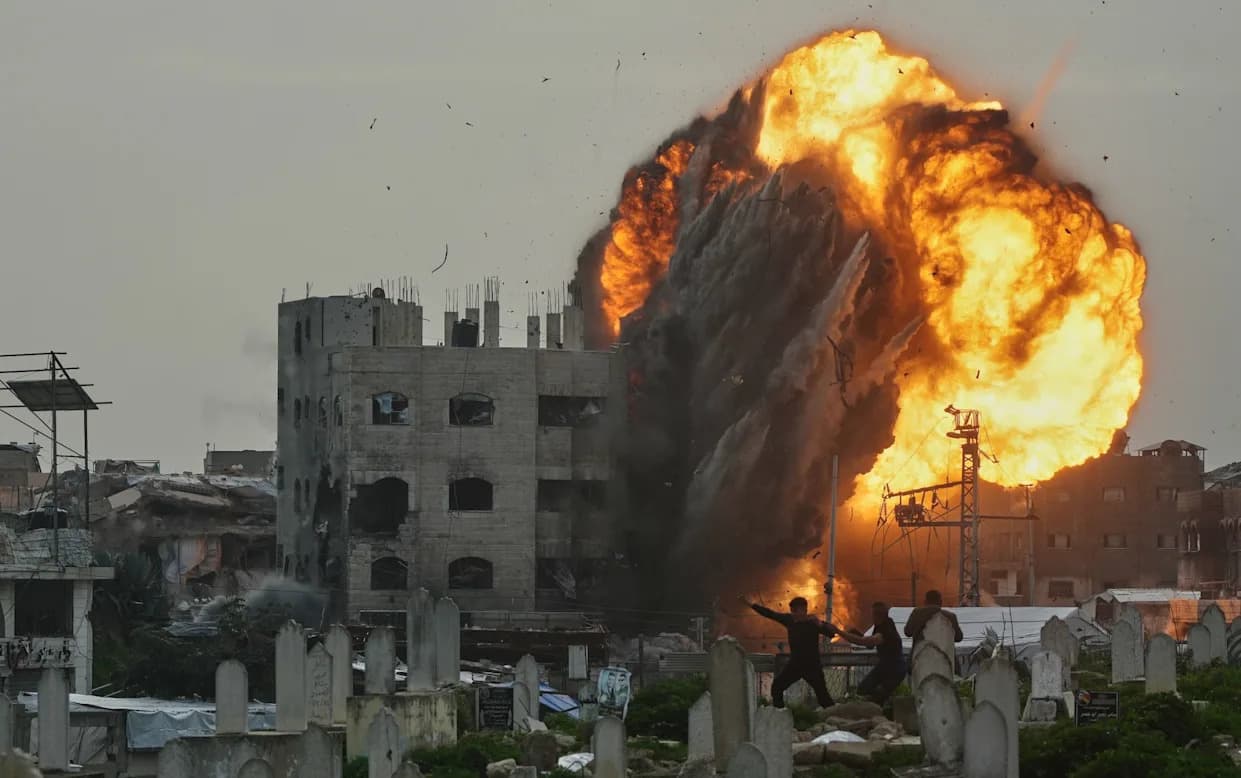
Palestine ranks second for the third year running. The Gaza Strip has suffered devastating losses and collapsed services amid Israel’s offensive, which the IRC links to more than 70,000 deaths and a humanitarian catastrophe. The report also highlights escalating settler violence in the occupied West Bank.
As of late 2025, the IRC estimated about 641,000 people in Gaza were experiencing famine or catastrophic food insecurity. The organisation warns that tight restrictions and militarised delivery will keep aid access limited, worsening civilian hardship even if large-scale hostilities subside.
Politics, Vetoes And Impunity
The Watchlist calls attention to a surge in United Nations Security Council vetoes that have stalled collective responses in Sudan and Palestine. It also warns that impunity for attacks on civilians and infrastructure has been enabled on a dangerous scale, contributing to what the IRC describes as the deadliest year yet for humanitarian workers and essential civilian facilities.
Broader Watchlist
The 20 crises on the Watchlist — including countries such as South Sudan, Ethiopia, Haiti, Myanmar and the Democratic Republic of the Congo — account for only 12 percent of the world’s population but represent 89 percent of the roughly 300 million people in need of humanitarian aid worldwide.
What Comes Next: The IRC urges urgent international action to close funding gaps, protect civilians and restore humanitarian access. Without such steps, the organisation warns, 2026 could see deeper, longer-lasting suffering in some of the world’s most fragile contexts.
Help us improve.