The AP reports that women and girls fleeing Mali describe sexual assaults, killings and looting attributed to multiple armed actors, including fighters described as Russia-linked Africa Corps. A 14-year-old survivor arrived in Mauritania in critical condition and is now receiving medical and psychiatric care. Humanitarian workers warn that stigma, fear and restricted access mean many survivors never seek help, preventing accurate counting and accountability.
Women Fleeing Mali Report Rapes and Killings; Stigma and Insecurity Hide Many More

A young Malian woman is treated for her dangerously high fever and infection by doctors at the Douankaran health clinic in the Hodh El Chargui Region, Mauritania, Nov. 7, 2025. (AP Photo/Caitlin Kelly)(ASSOCIATED PRESS)
In a makeshift clinic near Douankara on the Mauritania border, medical staff worked urgently to stabilize a 14-year-old girl whose breathing was shallow and eyes glassy. Flies clustered at her lips as doctors attached an IV. Bethsabee Djoman Elidje, the clinic's women's health manager, said the girl was in shock from an infection after an alleged sexual assault and had not received care for days.
Family Account and Allegations
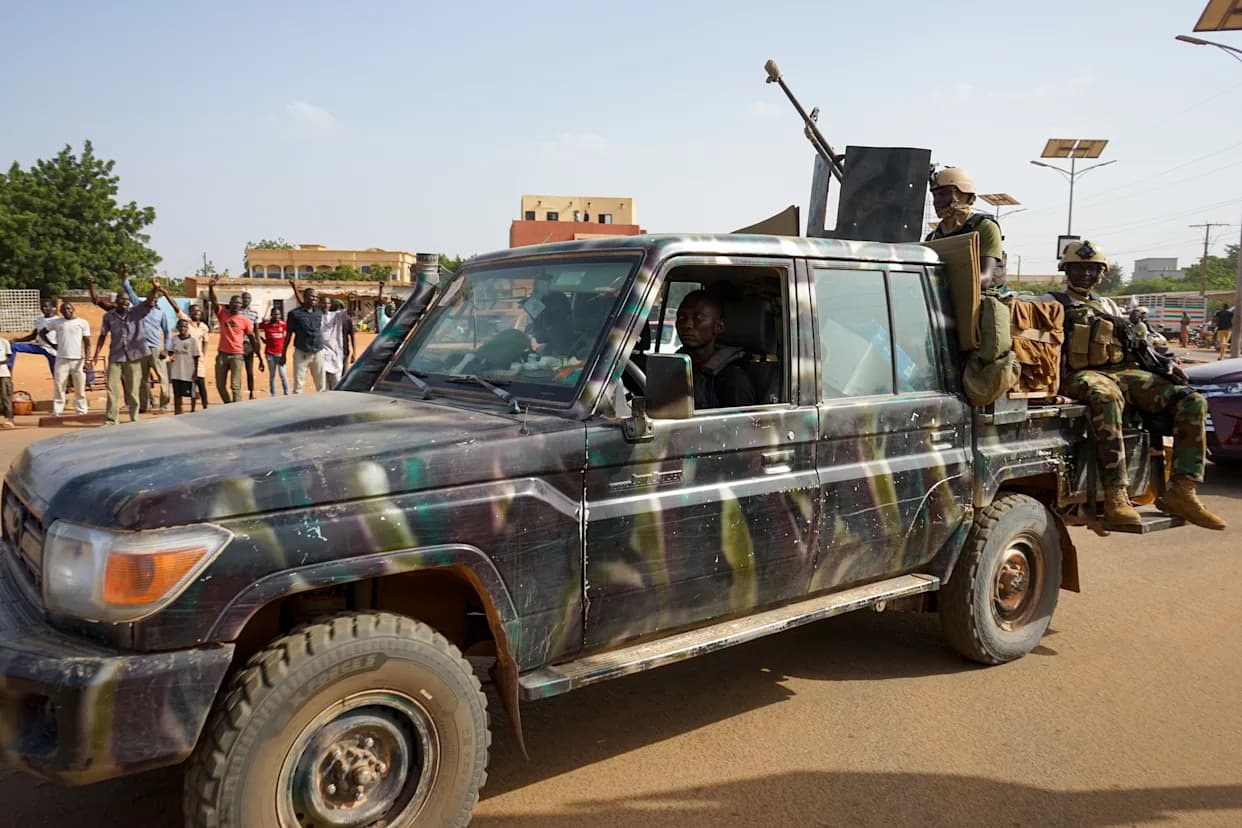
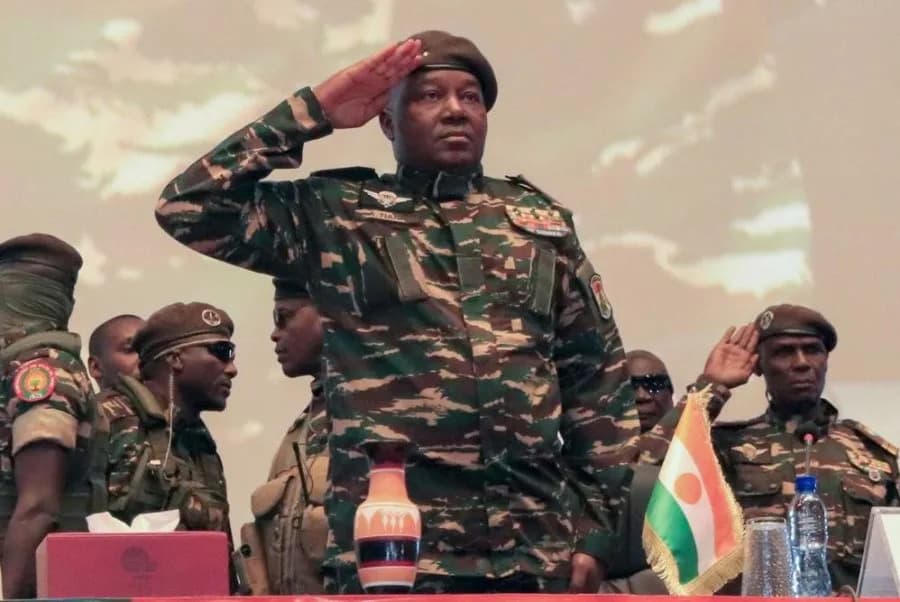
The girl's relatives told aid workers the attack happened in Mali when armed men, described by villagers as 'white men' and identified by witnesses as fighters from Russia's Africa Corps, burst into their tent. The family said the men beheaded the girl's uncle, then two fighters dragged the girl into the tent and raped her. The family fled toward Mauritania; the girl's condition deteriorated during the three-day journey and she collapsed on arrival.
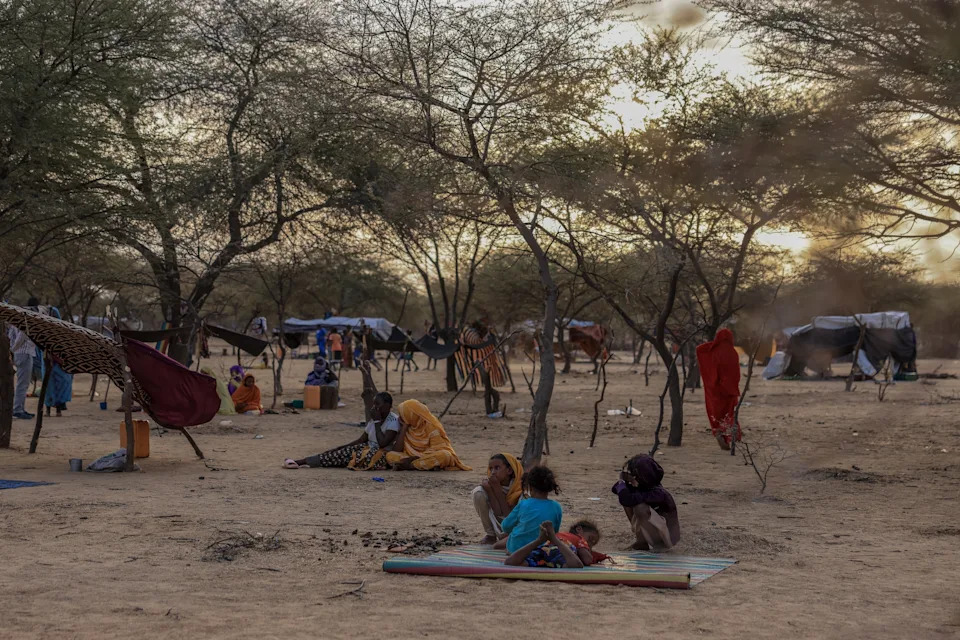
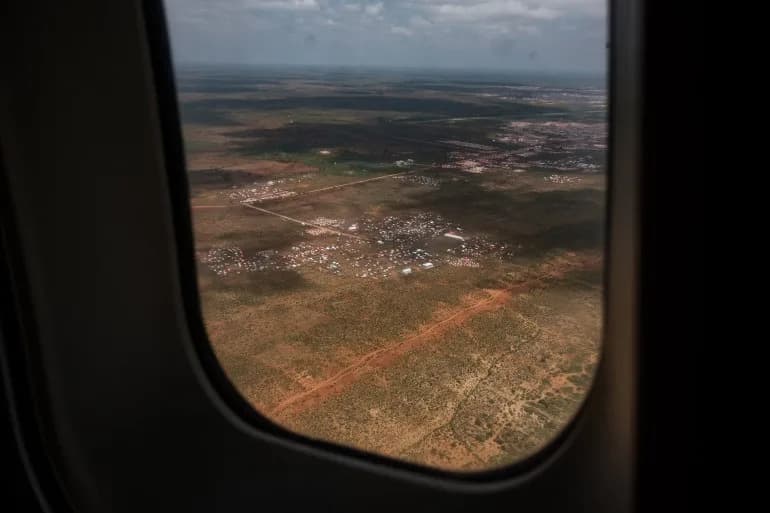
Malian refugees fleeing violence in Mali, sit in a makeshift camp where they found refuge in Douankara, Hodh El Chargui Region, Mauritania, Nov. 9 2025. (AP Photo/Caitlin Kelly)(ASSOCIATED PRESS)
Silence, Stigma and Barriers to Care
U.N. officials and humanitarian groups report that men, women and children have suffered sexual violence across Mali's decade-long conflict, attributed to multiple armed actors. But the true scale is obscured by stigma and fear in conservative, patriarchal communities. Aid workers and local clinicians say survivors often delay seeking care or never report assaults because of shame, fear of reprisal and limited access to services.
We are convinced there are many other cases like this, but few patients come forward because it is still a taboo here, Elidje said.
Multiple Reports and Context
The Associated Press documented the alleged rape of the 14-year-old and four other claims of sexual violence attributed by refugees to Africa Corps fighters while interviewing dozens of people fleeing beheadings, abductions and looting. Other armed groups have also been accused: a clinic in Mopti reported treating 28 women in six months who said they were assaulted by militants affiliated with Jama'at Nasr al-Islam wal Muslimin (JNIM).
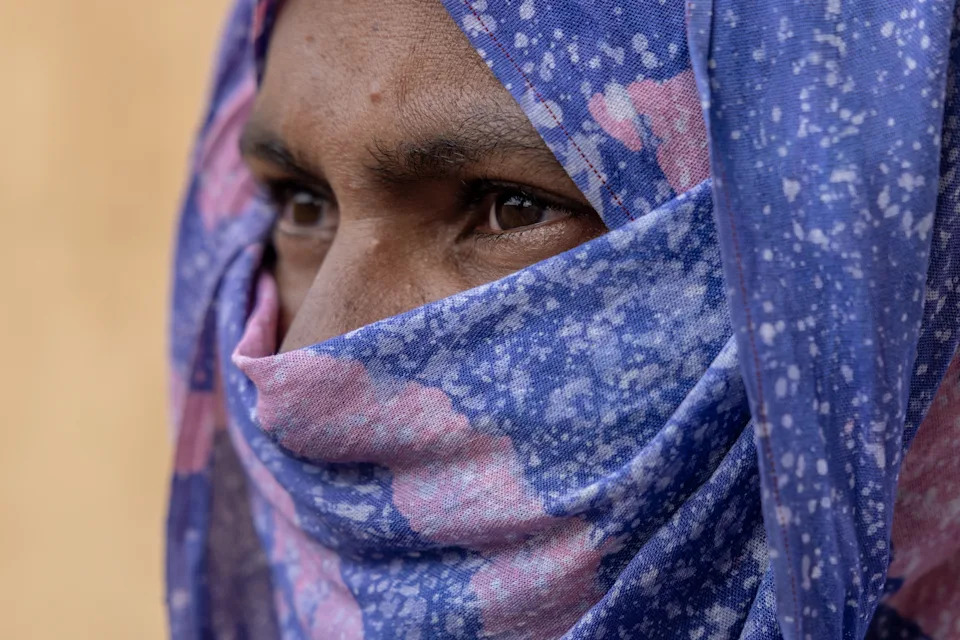
A Malian woman, whose 14-year-old niece was abused by Africa Corps Russian mercenaries in Mali, waits outside the Bassikounou hospital where her niece is being treated in the Hodh El Chargui Region, where they found refuge, in Mauritania, Nov. 7, 2025. (AP Photo/Caitlin Kelly)(ASSOCIATED PRESS)
In a 2023 U.N. report, at least 58 women and girls were said to have been raped or sexually assaulted during the attack on Moura, an incident that prompted Mali's government to expel the U.N. peacekeeping mission. Since that expulsion, independent verification of such abuses has become far more difficult.
Voices From Refugees
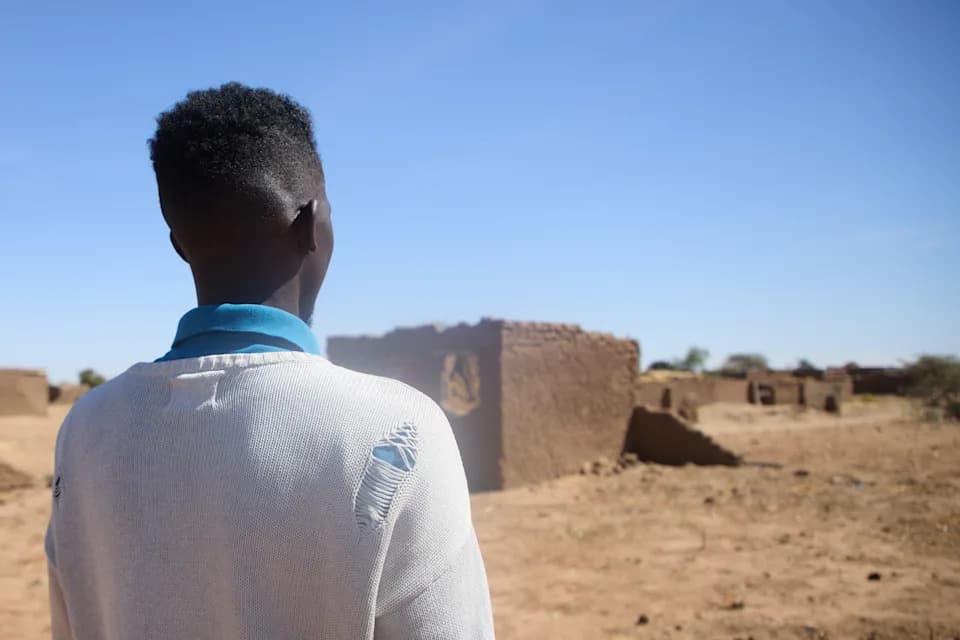
Thousands of newly displaced people, mostly women and children, have arrived just inside Mauritania in recent weeks in fragile shelters. Several women interviewed by reporters described raids in which fighters burned homes, killed men and attempted or committed sexual assaults. Survivors often declined to speak with aid workers or local staff, saying they were not ready to discuss what happened.
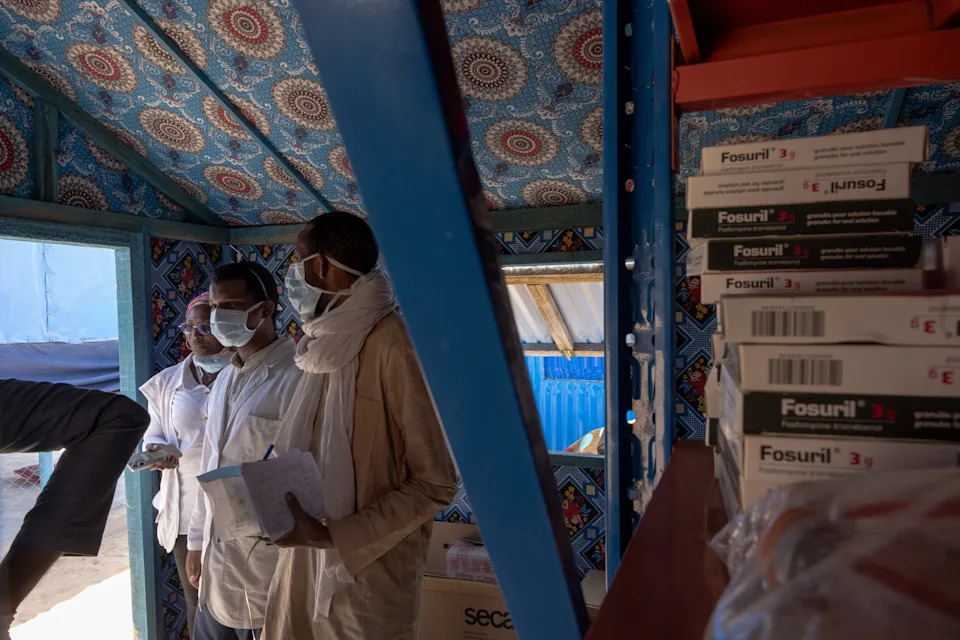
Doctors pick up medicine in the pharmacy of the Douankaran health clinic in the Hodh El Chargui Region, Mauritania, Nov. 7, 2025. (AP Photo/Caitlin Kelly)(ASSOCIATED PRESS)
One woman said she witnessed a mass rape in March 2024 that she attributed to Wagner operatives; she said her 70-year-old mother was raped and later died. Other refugees described family members dragged away and never seen again. Russia's Defense Ministry did not respond to questions, and a pro-Kremlin information agency dismissed reporting on Africa Corps as fake news.
Aftercare and Accountability Challenges
The 14-year-old is now receiving medical and psychiatric care with MSF and family support. Psychosocial services are scarce in Mali; MSF noted there are reportedly only a handful of psychiatrists in the country. Humanitarian workers say restrictive access, ongoing insecurity and stigma all hinder documentation, timely medical care and legal accountability for perpetrators.
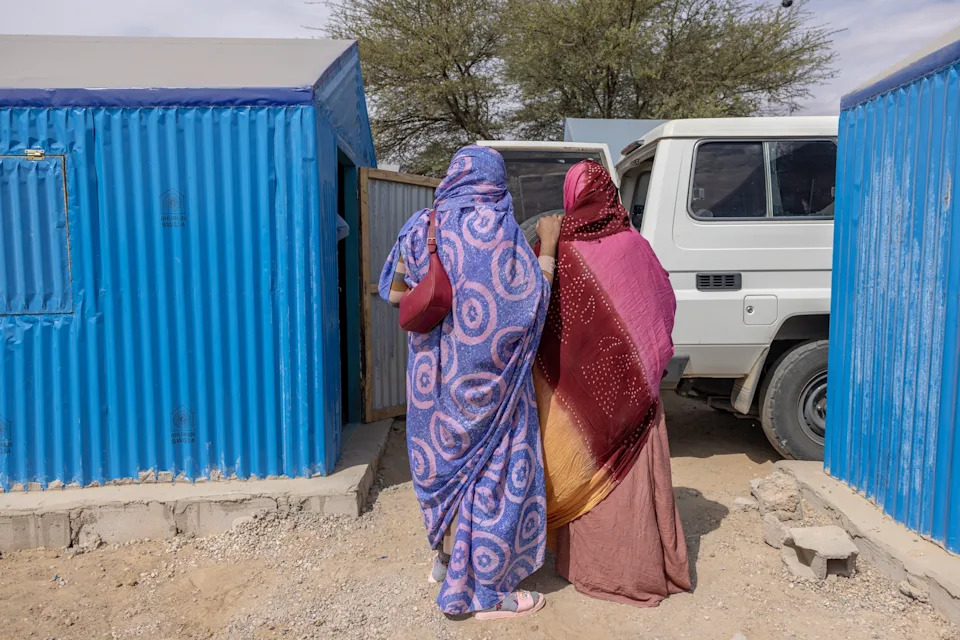
Relatives of a young Malian woman being treated for her dangerously high fever and infection by doctors at the Douankaran health clinic leave the hospital in the Hodh El Chargui Region, Mauritania, Nov. 7, 2025. (AP Photo/Caitlin Kelly)(ASSOCIATED PRESS)
Aid workers warned that many survivors never disclose assaults at all, leaving wounds both visible and invisible. As Mirjam Molenaar of MSF said, breaking into tears, 'It seems that conflict over the years gets worse and worse. There is less regard for human life, whether it is men, women or children. It is a battle.'
Note on Sources: The reporting is based on interviews with refugees and aid workers, clinical observations at MSF-supported facilities, and available U.N. findings. The AP did not name victims who did not consent to be identified.
Help us improve.