The eastern DRC city of Uvira is under a fragile calm after being seized by M23 rebels, with residents gradually returning amid visible signs of recent heavy fighting. Regional officials report at least 400 civilian deaths and more than 200,000 people displaced across South Kivu; over 30,000 have fled into Burundi. The offensive has escalated tensions at the U.N. Security Council, with U.S. officials accusing Rwanda of backing M23 — an allegation Kigali denies — and analysts warning of wider regional destabilization.
Fragile Calm in Uvira After M23 Seizure — Hundreds Dead and Hundreds of Thousands Displaced

Residents clean up debris outside Uvira's hospital after M23 seized the key DR Congo city [AFP]
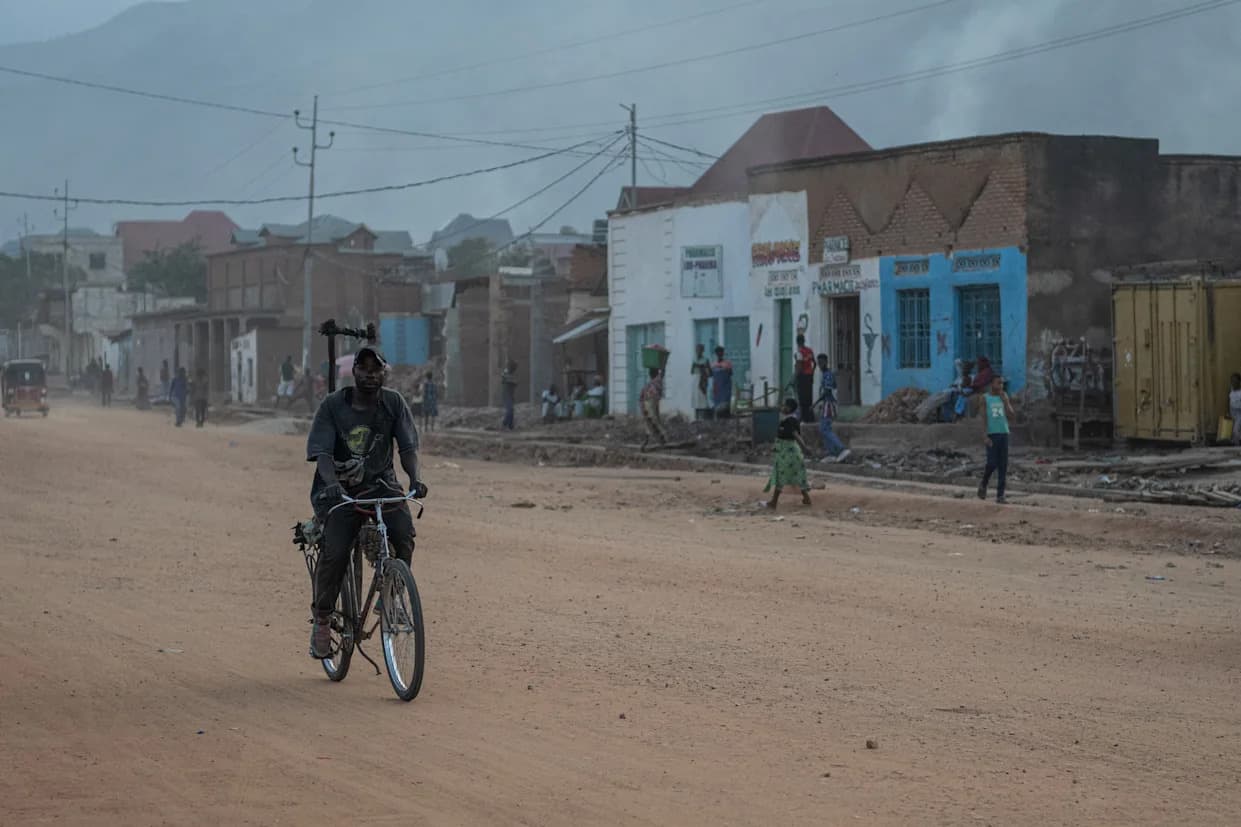
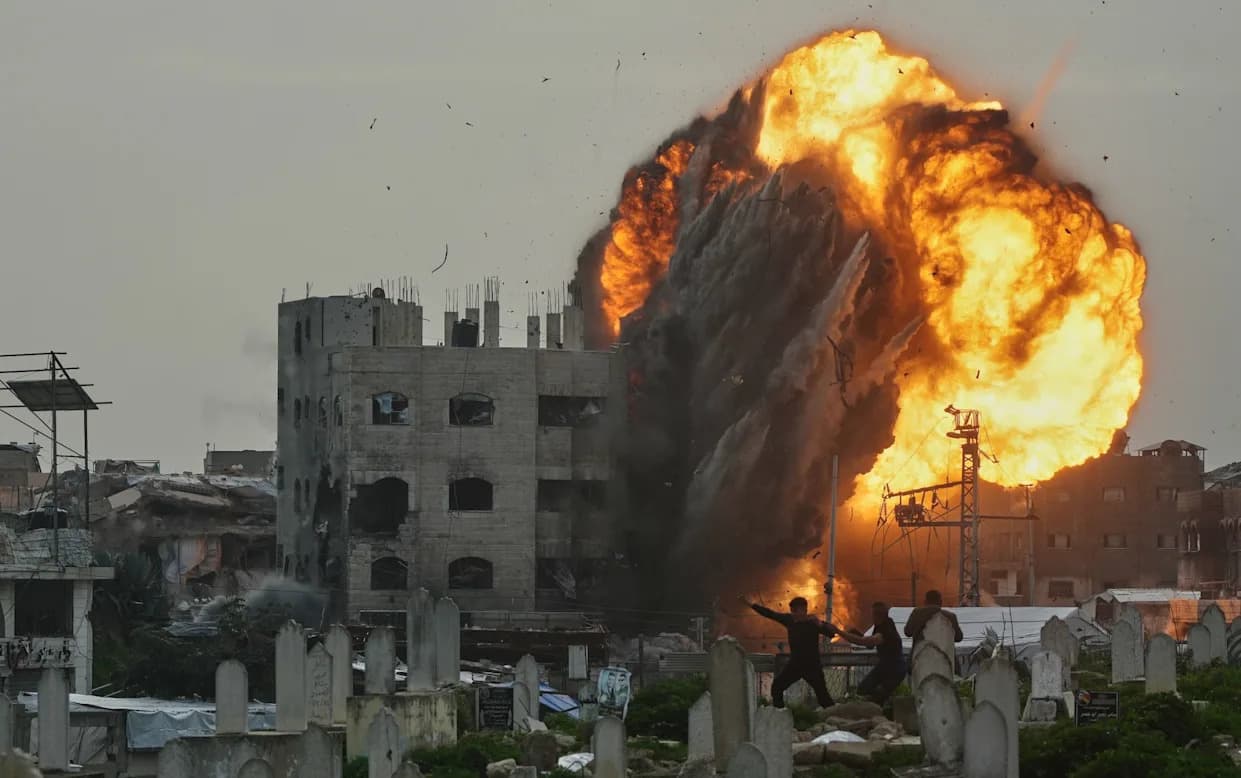
A tentative, fragile calm has settled over Uvira, a port city in South Kivu province in eastern Democratic Republic of the Congo, after M23 rebels captured the city earlier this week. Residents are cautiously returning to their homes, but many shops remain closed and signs of heavy fighting are still visible.
What Happened
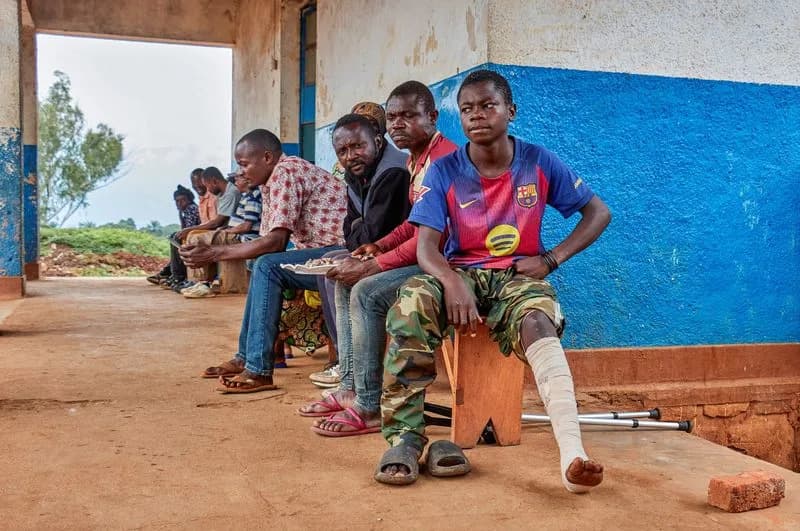
The offensive, which began on December 2, culminated in M23 taking control of Uvira and areas between Bukavu and Uvira. Regional authorities report at least 400 civilians killed, including children, and local United Nations partners say more than 200,000 people have been displaced across South Kivu province. In addition, more than 30,000 people have fled into neighbouring Burundi in recent days.
Local Situation
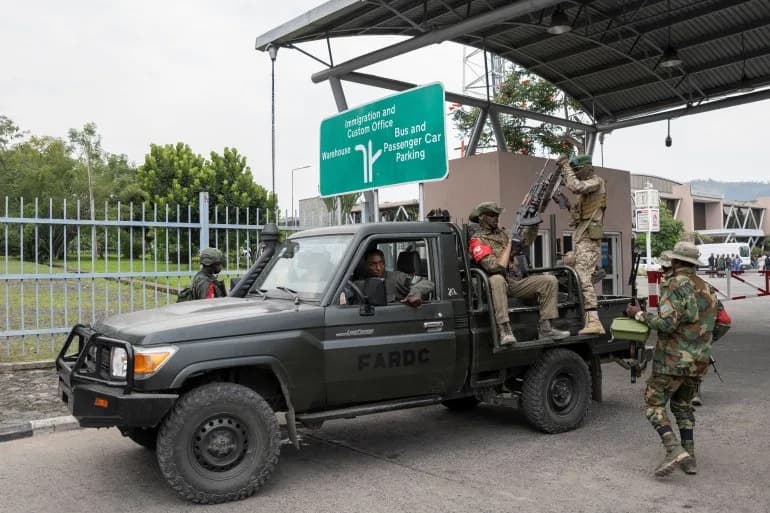
Al Jazeera is the only international broadcaster on the ground in Uvira. Correspondent Alain Uaykani described an uneasy calm: government troops and allied militias known locally as the Wazalendo reportedly withdrew ahead of the M23 advance, and many residents who fled are beginning to return, though the situation remains fragile.
“People are coming out, they feel the fear is behind them,” Uaykani reported, while cautioning that visible signs of intense combat remain across the city.
Claims and Accusations
M23’s spokesperson defended the operation as a liberation of Uvira from what the group called “terrorist forces,” and said its fighters are protecting ethnic Tutsi communities in eastern DRC. Local South Kivu officials and other sources have accused Rwandan special forces and foreign mercenaries of operating in Uvira.
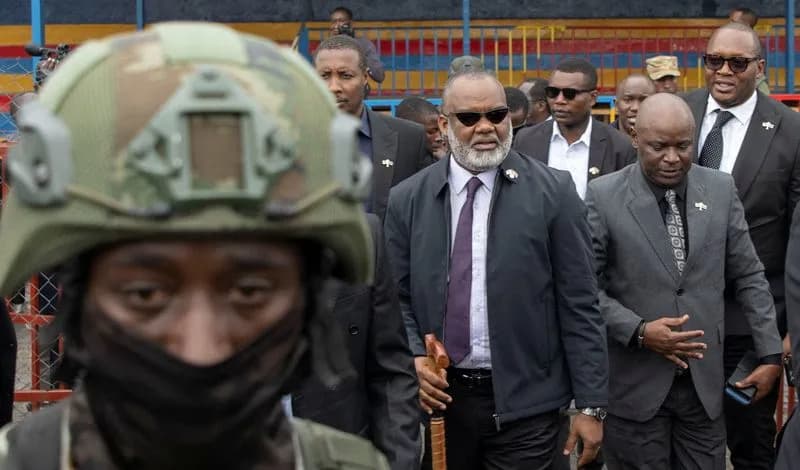
U.S. officials and other international actors have publicly accused Kigali of supporting or enabling the M23 offensive and of violating a recent U.S.-brokered accord between Kinshasa and Kigali; those accusations were forcefully raised during a briefing at the U.N. Security Council. Rwanda rejects the allegations, saying any troops in eastern DRC are there to protect Rwandan security from militia threats.
International Response and Regional Risks
At the U.N. Security Council, the U.S. representative warned that forces undermining the restoration of peace would be held accountable. Analysts — including a report from the American Enterprise Institute’s Critical Threats project — describe Rwanda as providing significant support to M23’s operation, calling the Uvira assault one of the group’s most consequential actions since March.
The fall of Uvira has alarmed neighbouring Burundi, which has moved forces into the border area. Burundi’s U.N. envoy warned that restraint has limits and hinted that continued attacks could bring the region closer to interstate confrontation.
Humanitarian Impact
The fighting in mineral-rich eastern DRC has intensified a long-running humanitarian catastrophe: more than seven million people are displaced across the region and more than 100 armed groups operate near the Rwandan border. Humanitarian access remains precarious as civilians bear the cost of escalating violence.
Diplomacy and Next Steps
M23 is not a party to the recent Washington-mediated negotiations between the DRC and Rwanda; it is participating in separate talks with the Congolese government hosted by Qatar. Kinshasa has urged the U.N. Security Council to hold Rwanda accountable for what it describes as repeated violations and impunity.
Key sources: Al Jazeera reporting from Uvira; statements made at the U.N. Security Council; local South Kivu officials; UN partners; American Enterprise Institute report.
Help us improve.