Gaza amputees face a critical shortage of prosthetic limbs and rehabilitation services, making recovery and daily life significantly harder. Limited supplies and strained medical capacity delay fittings and physiotherapy, increasing the risk of long-term disability. The situation demands urgent humanitarian assistance and investment in local prosthetic and rehabilitation services to restore mobility and independence.
Shortage of Prosthetics Leaves Gaza Amputees Fighting for Mobility and Independence
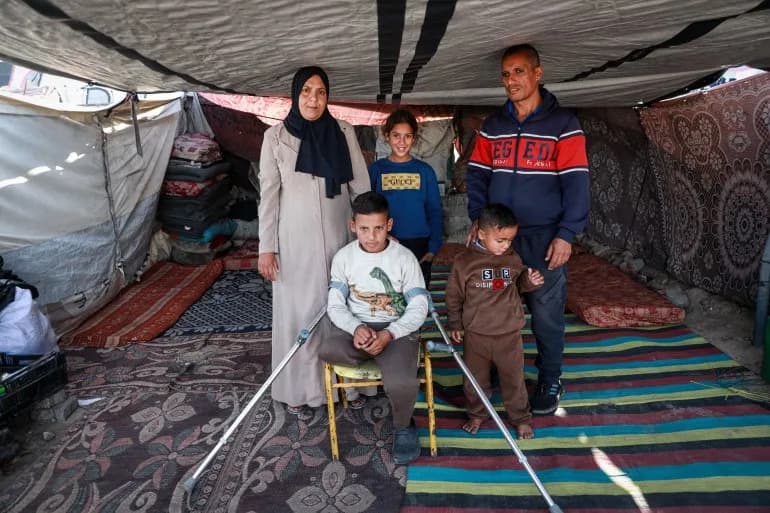
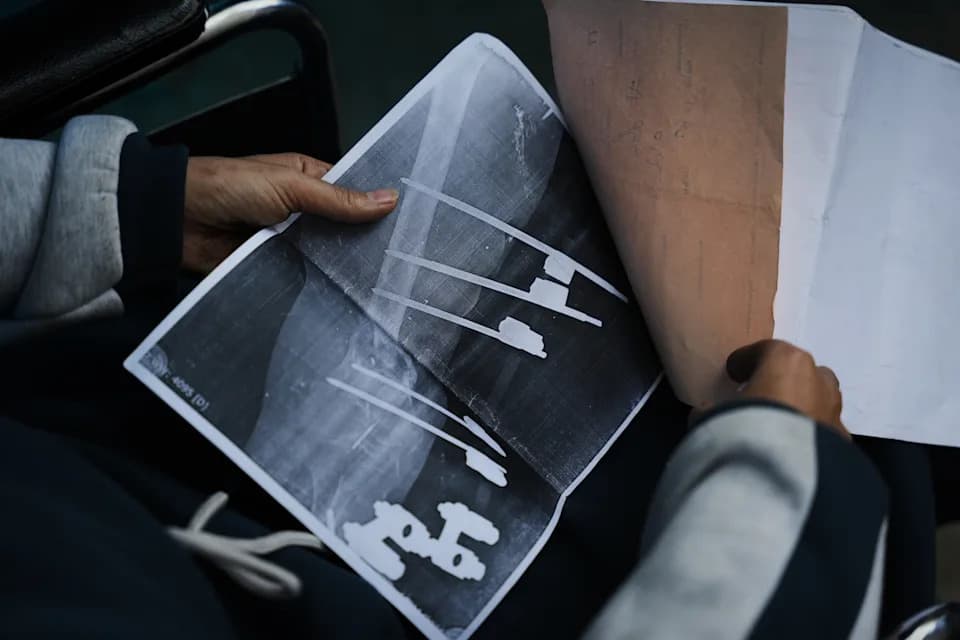
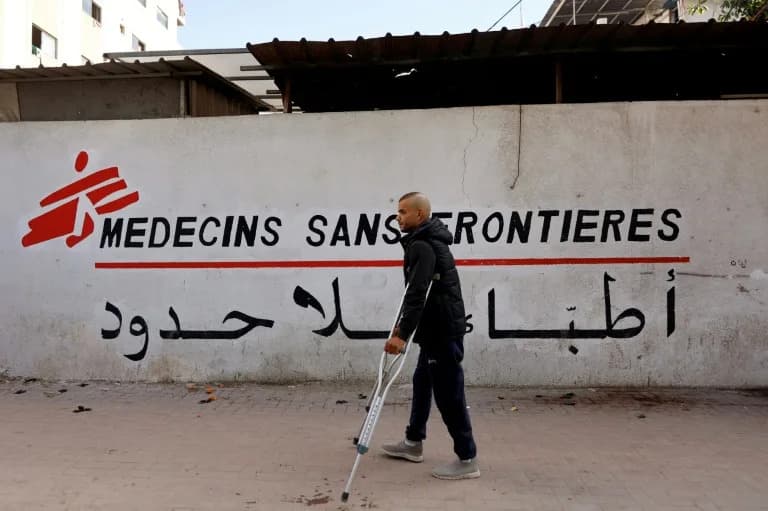
Gaza residents who have lost limbs are confronting a severe shortage of prosthetic limbs and rehabilitation services, leaving many unable to regain basic mobility and independence. Medical teams and support organizations in the enclave are struggling to meet a growing demand for prosthetic care, which is prolonging recovery times and increasing the risk of long-term disability.
Scope of the Problem
The shortage affects adults, children and veterans alike, reducing their ability to perform everyday tasks and return to work. With limited supplies, many amputees face long waits for assessment, fitting and follow-up care. The lack of available prostheses also undermines psychosocial recovery, as mobility is closely tied to dignity, employment prospects and mental health.
Barriers to Care
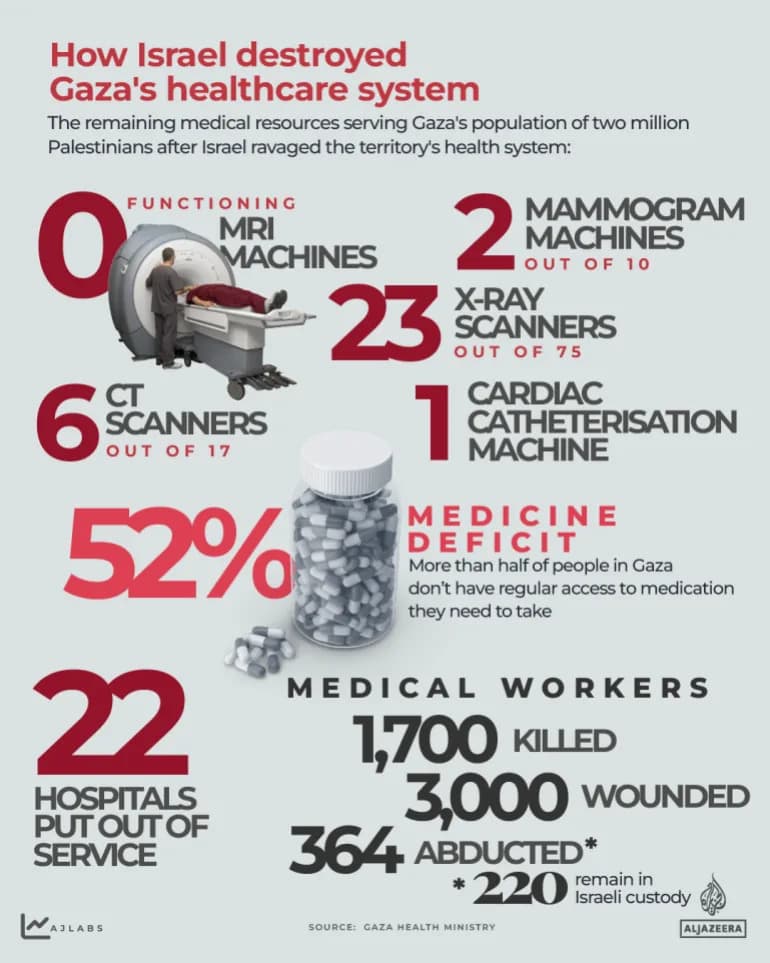
Multiple factors have compounded the crisis: constrained access to medical supplies and spare parts, damage to health infrastructure, and a shortage of trained prosthetists and rehabilitation specialists. Clinics that provide fitting and physiotherapy operate under strained conditions and cannot keep pace with demand.
Humanitarian and Medical Implications
The shortage is not only a clinical issue but a humanitarian one. Without timely prosthetic care, injuries that could be manageable become lifelong disabilities. This places additional burdens on families and community services and heightens the need for coordinated international assistance and durable medical supply channels.
What Needs To Be Done
Urgent steps include increasing the supply of prosthetic components, expanding training and support for local rehabilitation teams, and improving access for delivery of medical equipment. International organizations and donors can help by prioritizing sustainable programs that combine immediate relief with longer-term capacity building.
Bottom line: Restoring mobility for Gaza amputees requires both immediate shipments of prosthetic supplies and investment in local rehabilitation capacity to prevent avoidable long-term disability.
Help us improve.