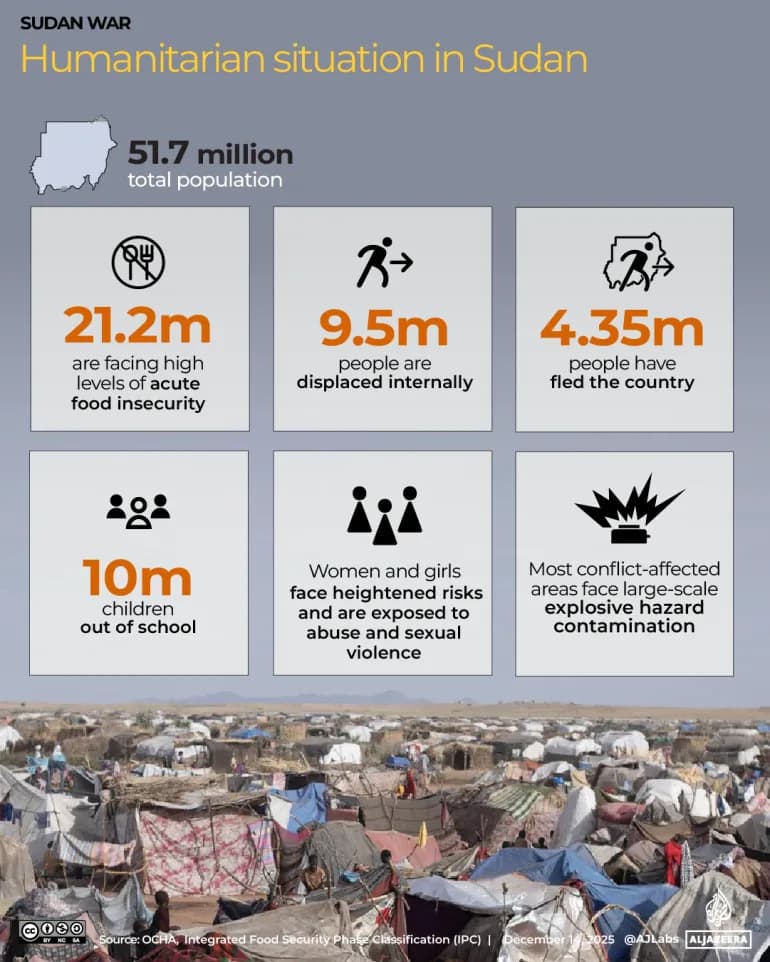
The conflict in Sudan, which reignited in April 2023 after a collapse in a fragile power-sharing deal, has produced the world’s largest displacement crisis, with about 12 million people uprooted. WHO reported Dec. 4 drone strikes in South Kordofan that killed 114 people, including 63 children. The Rapid Support Forces face widespread accusations of killings, sexual violence and attacks on aid workers. Humanitarian needs are acute: more than 30 million people need assistance and roughly 21.2 million face severe food insecurity.
Sudan’s Hidden Catastrophe: 12 Million Displaced as Violence and Humanitarian Crisis Deepen

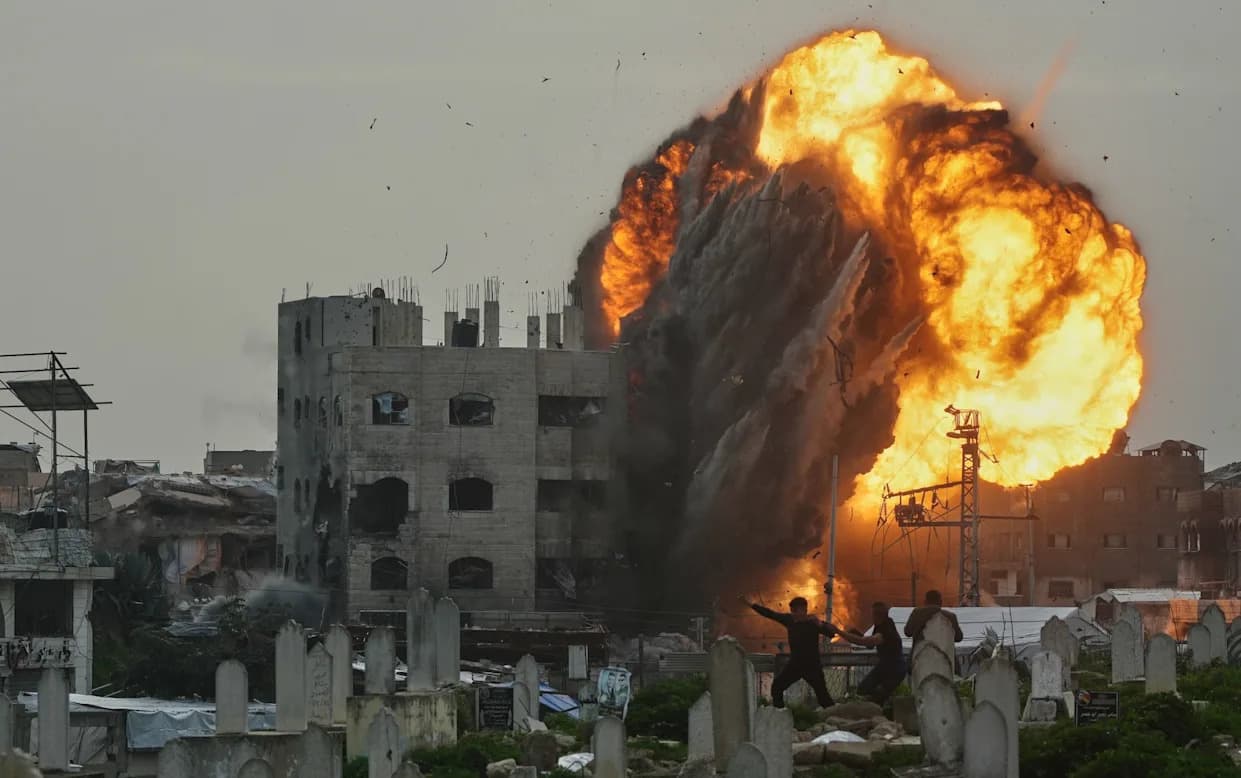
Smoke rises as clashes continue in the Sudanese capital on April 16, 2023 between the Sudanese Armed Forces and the paramilitary Rapid Support Forces (RSF). The death toll in ongoing clashes between Sudan's military and the paramilitary Rapid Support Forces (RSF) has reached 56, while the injured is 595.
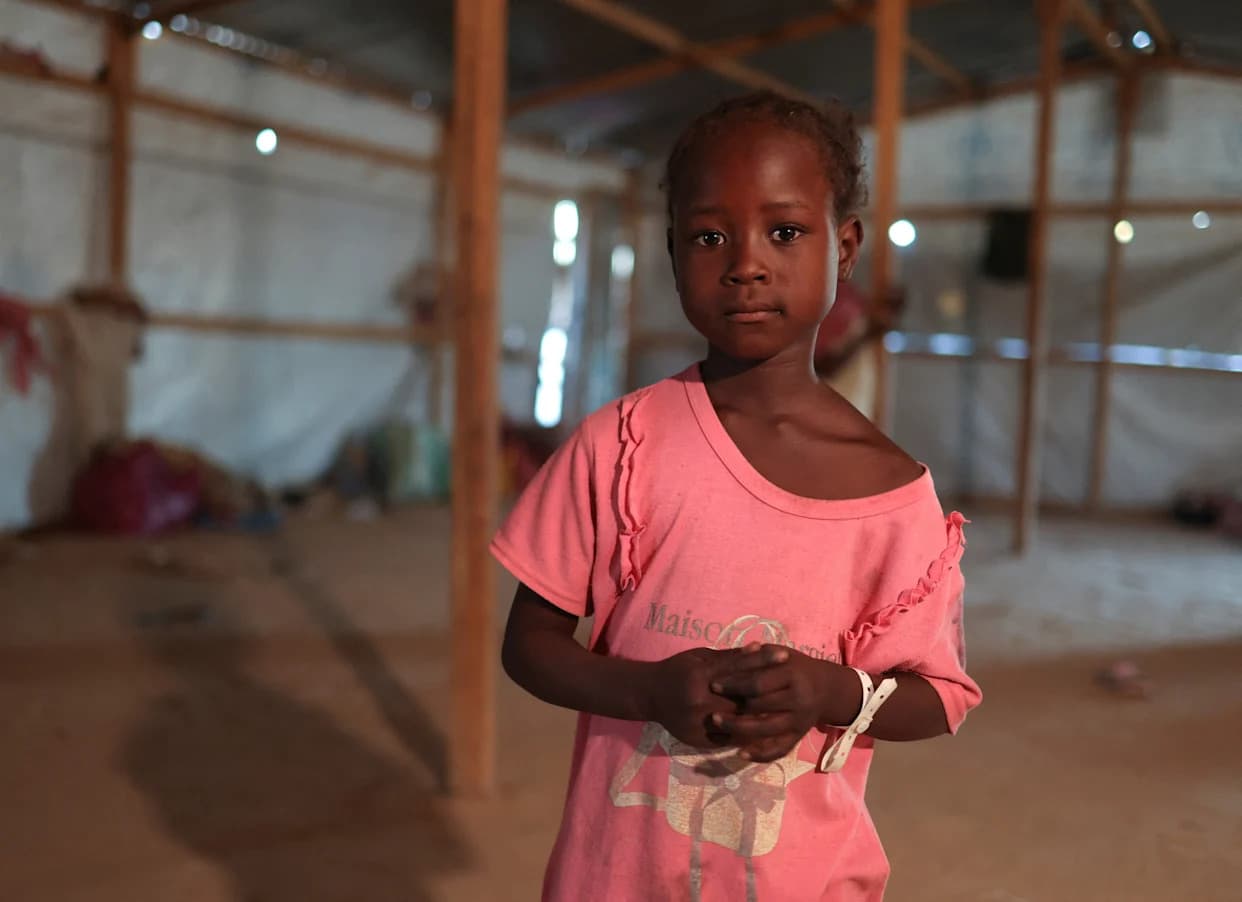
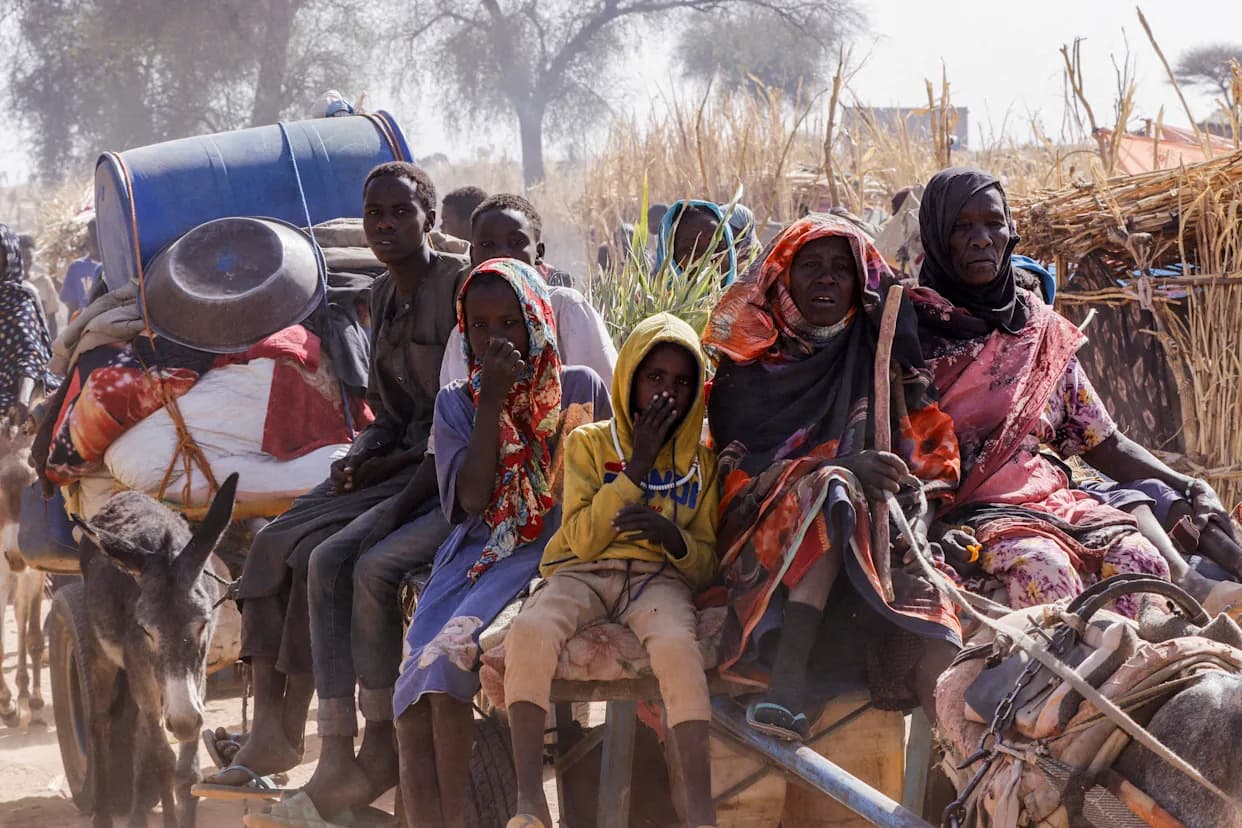
While global attention has focused on the wars in Ukraine and Gaza, Sudan is enduring what experts call the world’s largest displacement crisis: roughly 12 million people have been forced from their homes since heavy fighting resumed in April 2023.
Background
The violence began after a fragile 2021 power-sharing arrangement collapsed and fighting erupted between Sudan’s regular army and the paramilitary Rapid Support Forces (RSF) in April 2023. The two forces had previously cooperated under the regime of Omar al-Bashir. The breakdown of that uneasy alliance has led to widespread, sustained conflict across multiple regions.
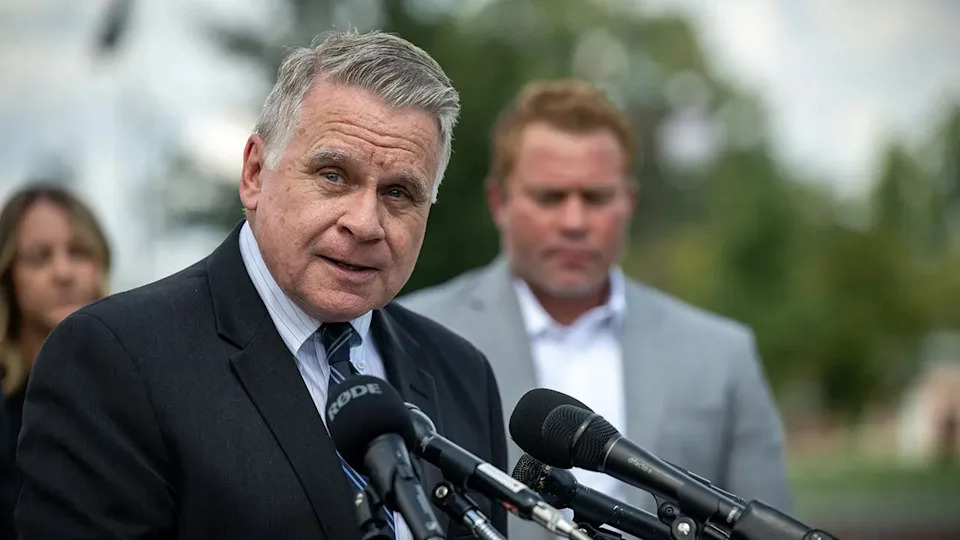
Rep. Chris Smith, R-N.J., chairman of the House Foreign Affairs Africa subcommittee, held a hearing on Sudan’s devastating civil war on Thursday.
Recent Attacks And Allegations
International officials and lawmakers have accused the RSF of widespread abuses. At a Dec. 11 congressional hearing, Rep. Chris Smith (R-N.J.) described Sudan as "under the darkest of clouds" and called for an immediate cessation of hostilities and accountability for alleged crimes.
World Health Organization Director-General Tedros Adhanom Ghebreyesus reported that repeated drone strikes on Dec. 4 in South Kordofan hit a kindergarten and a nearby hospital, killing 114 people, including 63 children. The Sudan Doctors Network attributed those strikes to the RSF, and witnesses reported that medical responders came under attack while evacuating the wounded.
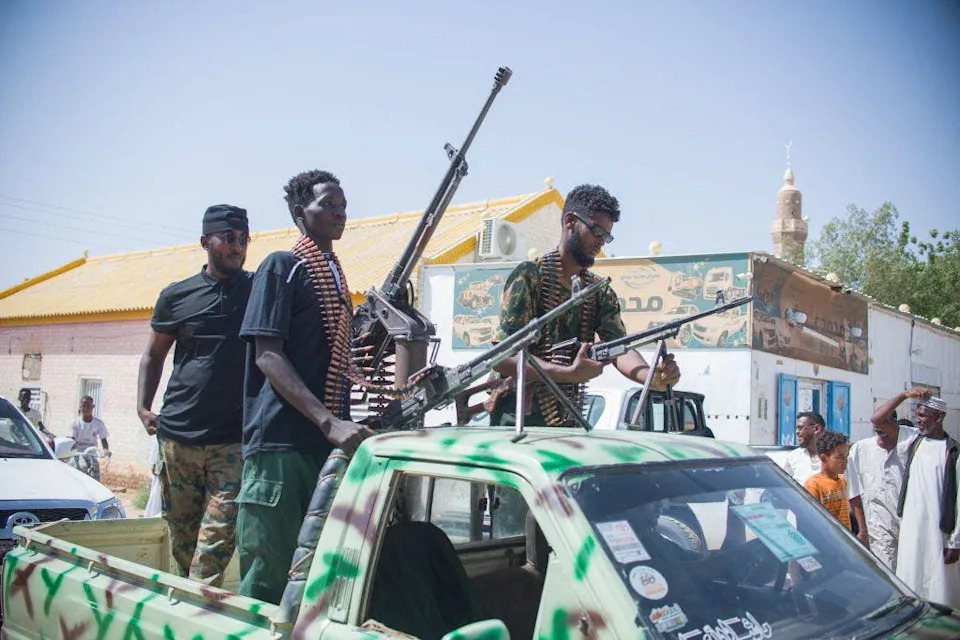
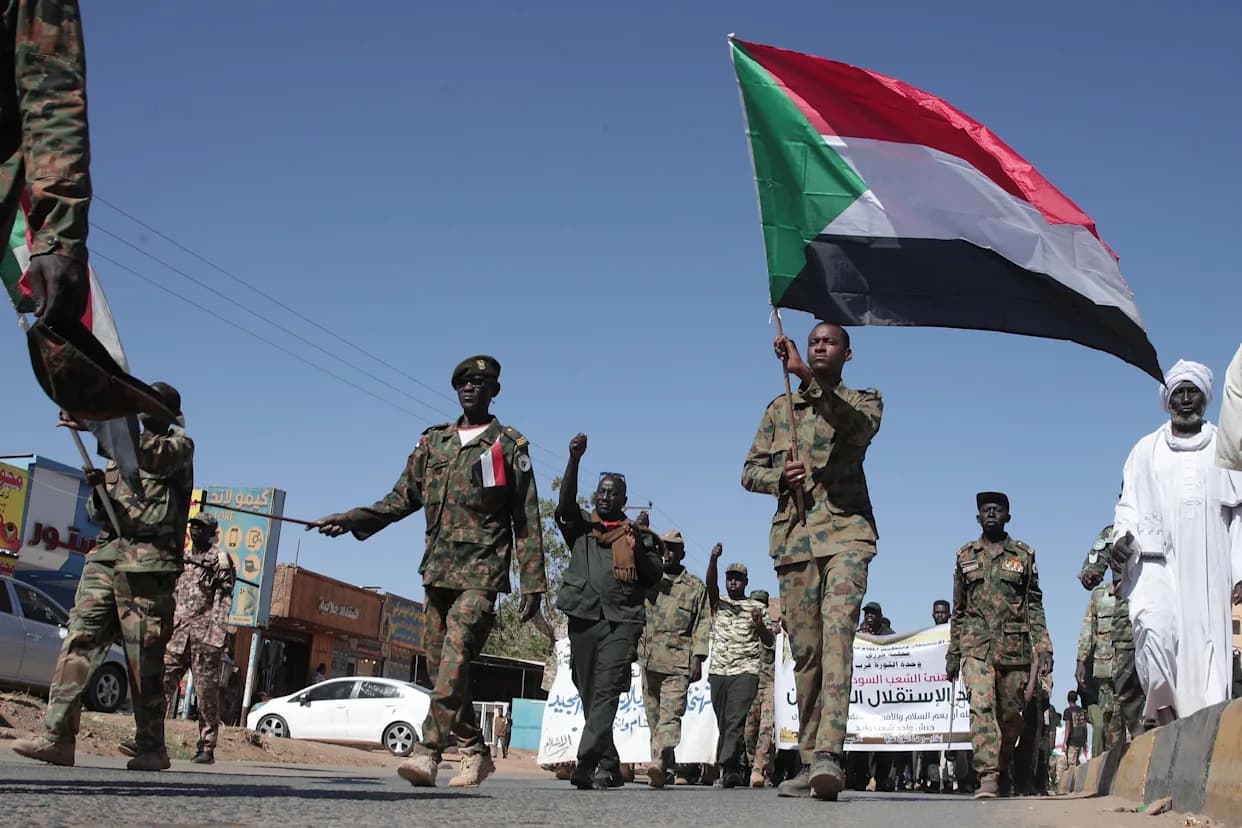
Members of the Sudanese army's Special Mission Forces batallion in the Northern State hold a parade in Karima city on May 19, 2024. Sudan has been in the throes of conflict for over a year between the regular army led by de facto ruler Abdel Fattah al-Burhan and the RSF led by his former deputy Mohamed Hamdan Daglo.
The RSF has also been accused by multiple sources of summary executions, mass killings, sexual violence, attacks on health facilities, looting, abductions and forced displacement. Reports say that fighting and sieges in places such as El Fasher in North Darfur forced tens of thousands to flee and resulted in heavy civilian casualties and attacks on aid operations.
Humanitarian Impact
Humanitarian organizations estimate more than 30 million Sudanese need assistance. Approximately 21.2 million people—about 45% of the population—are facing high levels of acute food insecurity. Access constraints, insecurity and expulsions of humanitarian staff have sharply limited relief operations.
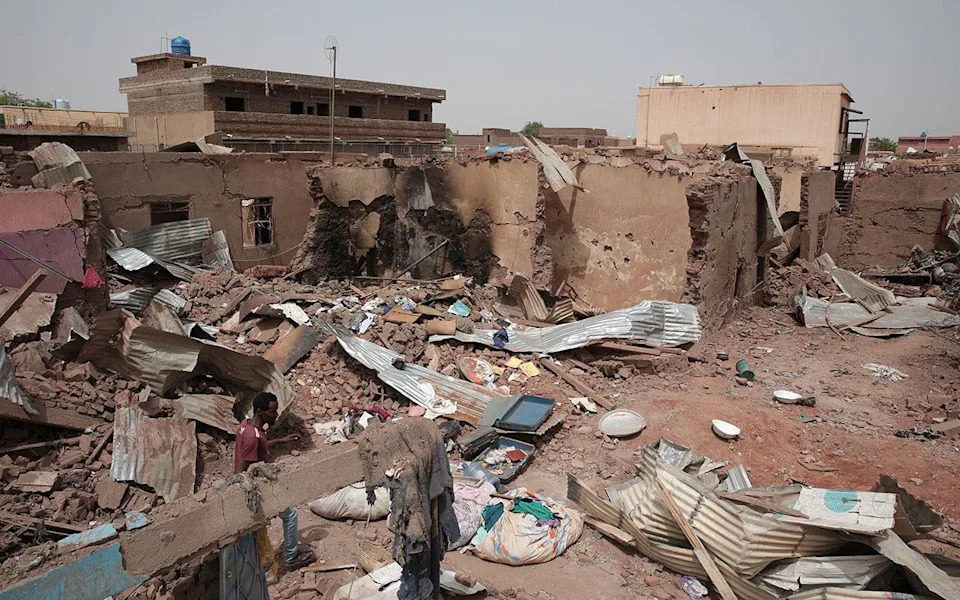
A man walks by a house hit in recent fighting in Khartoum, Sudan, Tuesday, April 25, 2023. Sudan has been torn by war for a year now, torn by fighting between the military and the notorious paramilitary Rapid Support Forces.
Death toll estimates vary widely. Former U.S. special envoy Tom Perriello told the New York Times that up to 400,000 people may have been killed since the 2023 outbreak; other analyses, including a report cited by Foreign Policy, estimated roughly 100,000 deaths. The disparity reflects the difficulty of collecting reliable data in active conflict zones.
Access, Reporting And Accountability
Restricted ground access has limited journalistic coverage and independent documentation of alleged war crimes. The Sudanese armed forces have been accused of denying access to aid workers in areas they control and of expelling humanitarian personnel. Advocates and analysts say international investigation, stronger protection for civilians, and safe humanitarian corridors are urgently needed.
Call To Action: Lawmakers, international institutions and regional actors have been urged to press for a ceasefire, ensure humanitarian access and pursue independent investigations into alleged abuses.
Diplomatic efforts continue. The United States and other partners have been engaged in ceasefire diplomacy, and former President Donald Trump publicly pledged to pursue a Sudan peace deal after meeting Saudi Crown Prince Mohammed bin Salman in November. Yet, civilians continue to bear the brunt of the violence and humanitarian collapse.
Note: All casualty and displacement figures are drawn from official statements, aid organizations and reported estimates; numbers vary and reflect conditions on the ground that are difficult to verify independently.
Help us improve.