U.N. experts warn that the treason trial of suspended Vice President Riek Machar is eroding the 2018 peace agreement with President Salva Kiir and increasing the risk of renewed large-scale conflict. The report highlights a fragmented security landscape, the use of increasingly indiscriminate aerial bombardment, and a March seizure of an army garrison that prompted treason charges. Humanitarian consequences are severe: about 7.7 million people (roughly 57% of the population) face crisis-level food insecurity.
U.N. Experts: Machar’s Treason Trial Is Unraveling South Sudan’s 2018 Peace Deal

FILE - The symbol of the United Nations is displayed outside the Secretariat Building, Feb. 28, 2022, at United Nations Headquarters. (AP Photo/John Minchillo, File)
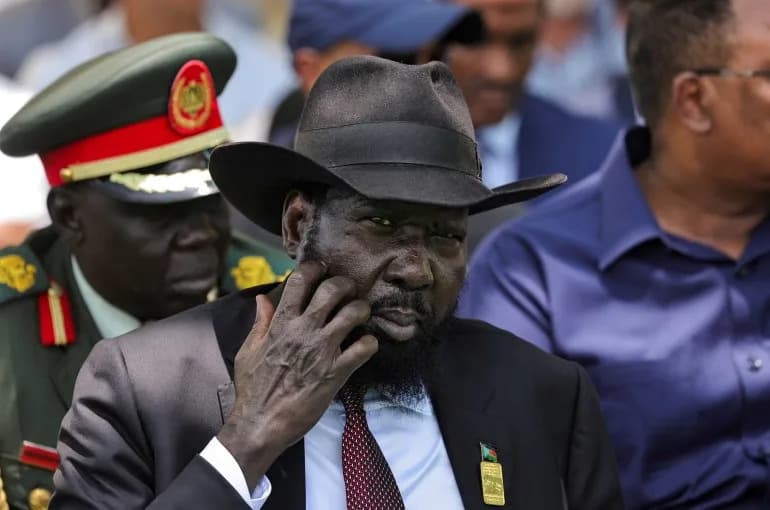
The treason trial of suspended Vice President Riek Machar is further weakening the 2018 peace agreement he signed with President Salva Kiir, U.N. experts warned in a new report. The panel said the trial, held in the capital Juba, is taking place against a backdrop of renewed clashes and a deeply fragmented security landscape that raises the risk of a return to large-scale conflict.
U.N. peacekeeping chief Jean-Pierre Lacroix told the U.N. Security Council last month that the crisis in South Sudan is escalating, that a “breaking point” is becoming visible, and that time is running “dangerously short” to salvage the peace process.
There were high hopes when oil-rich South Sudan became independent from Sudan in 2011 after decades of conflict. The country plunged into civil war in December 2013 along largely ethnic lines, when forces loyal to Kiir (an ethnic Dinka) fought those aligned with Machar (an ethnic Nuer). More than 400,000 people died in the fighting that followed. The 2018 peace agreement ended the main phase of that war and established a unity government, but implementation has been slow and contentious. A presidential election now slated for December 2026 has been repeatedly delayed.
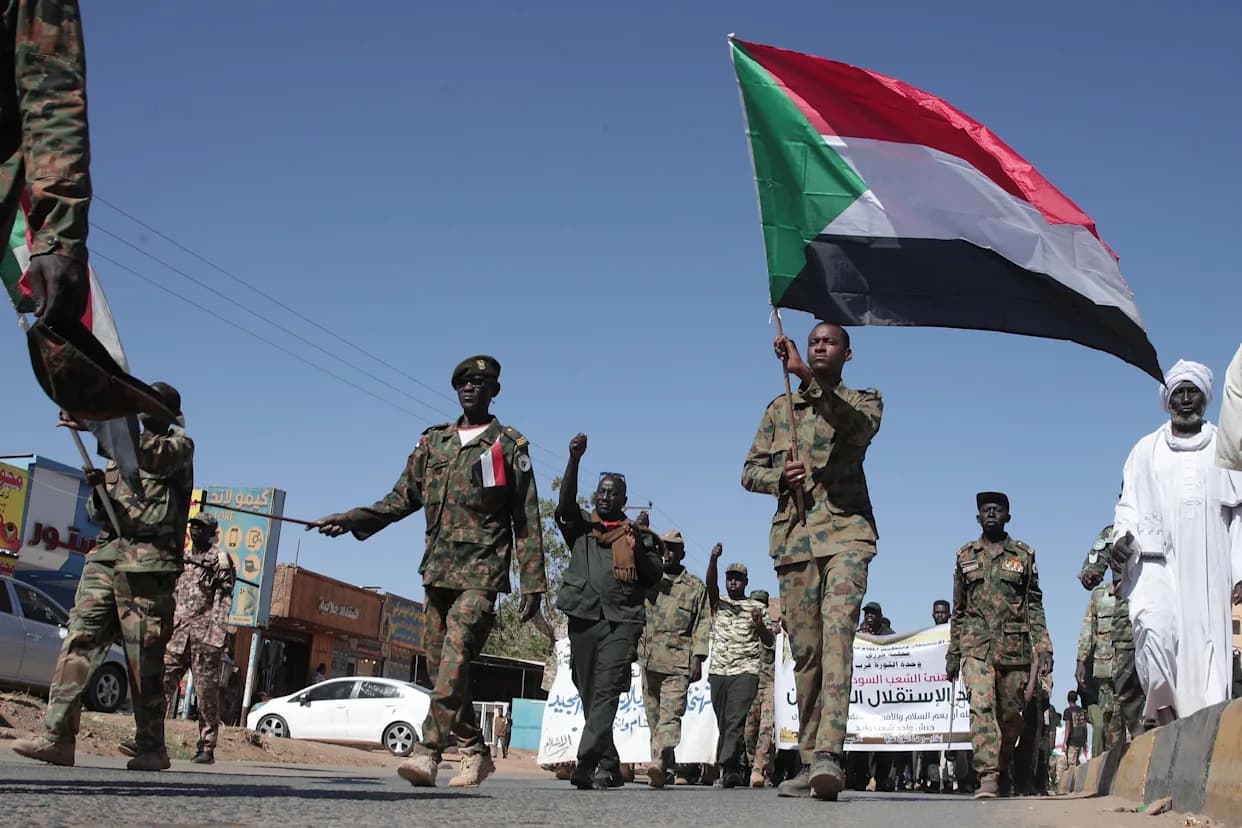
The U.N. experts stressed that South Sudan’s political and security environment looks markedly different today than in 2018. “Years of neglect have fragmented government and opposition forces alike,” the report said, producing “a patchwork of uniformed soldiers, defectors and armed community defense groups increasingly preoccupied by local struggles.”
“With limited supplies and low morale, the military has relied increasingly on aerial bombardments that are relatively indiscriminate,” the experts wrote, warning this tactic risks escalating civilian harm and fuelling further instability.
In a significant escalation in March, a Nuer militia seized an army garrison. The government responded by charging Machar and seven other opposition figures with treason, murder, terrorism and related offences, a move that U.N. experts say undermines confidence in the peace process. The government points to a rival opposition faction led by Stephen Par Kuol that remains engaged in talks, but the panel noted that those who backed Machar’s former deputy, Nathaniel Oyet, have largely been removed from positions and many have fled the country.
The African Union, neighbouring states and the Intergovernmental Authority on Development (IGAD) have all urged Machar’s release and reiterated strong support for implementing the 2018 accord, the report added.
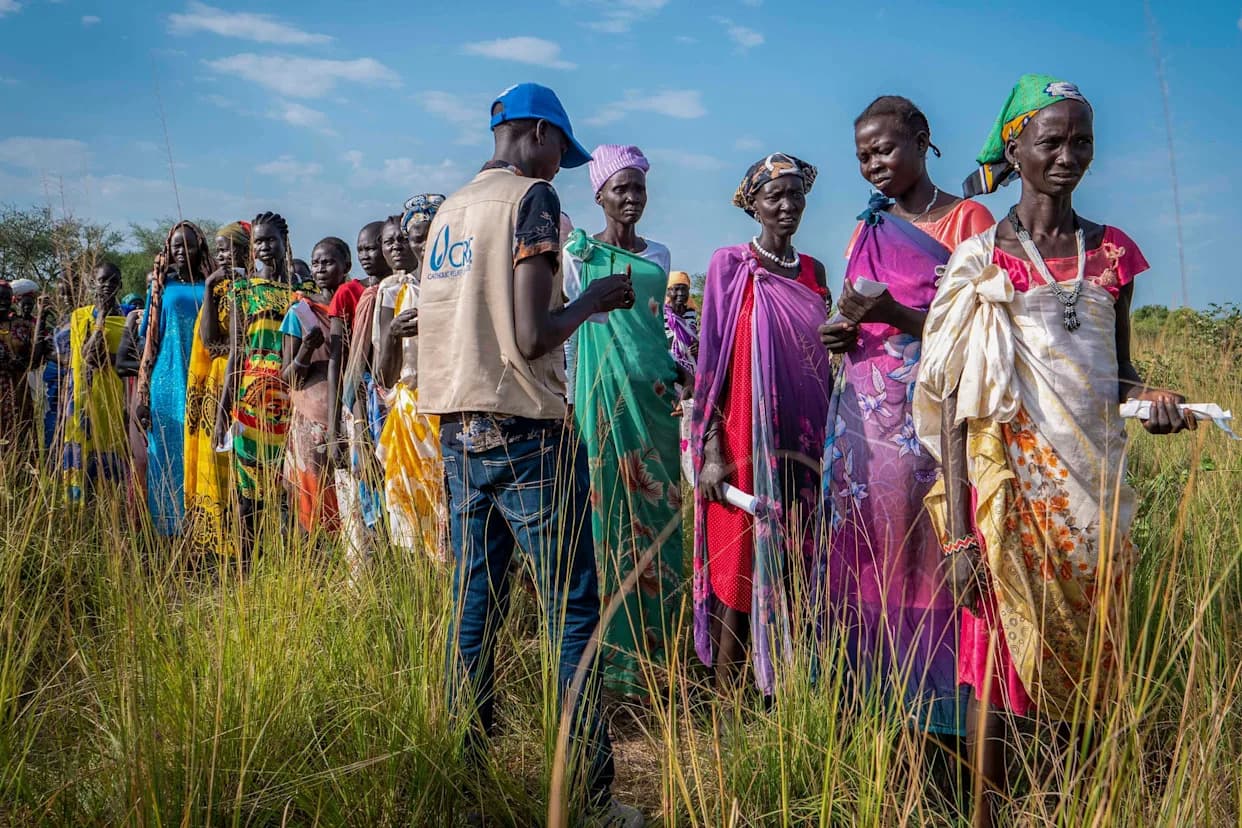
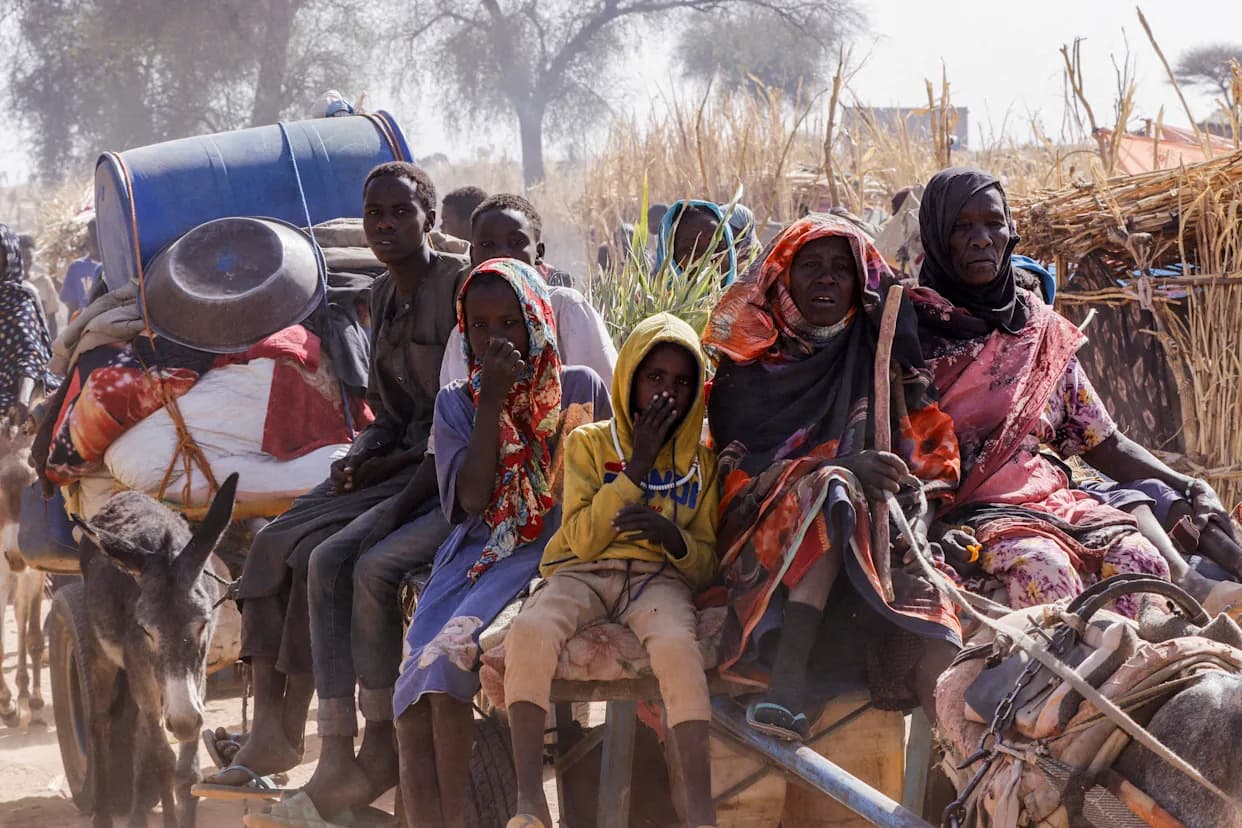
The humanitarian toll is steep. According to the U.N. panel, an international assessment indicates that 7.7 million people — roughly 57% of the population — face “crisis” levels of food insecurity, with pockets of famine in areas hit hardest by renewed clashes. Experts warned that continued political polarization and fragmented armed groups risk worsening the humanitarian crisis and reversing gains made since the peace deal.
The panel concluded by urging renewed international and regional mediation, protection of civilian populations, and renewed efforts to implement core elements of the 2018 agreement before the situation deteriorates further.
Help us improve.