More than 413 civilians have been killed and some 200,000 displaced after the Rwanda‑backed M23 captured the strategic town of Uvira in South Kivu. The offensive threatens a recent US‑mediated peace deal between the DRC and Rwanda, which did not include M23 and is now under strain. The UN estimates M23 has about 6,500 fighters and up to 4,000 Rwandan soldiers may be operating in eastern DRC, deepening an already severe humanitarian crisis.
M23 Seizes Uvira as US‑Brokered Peace Deal Falters — Over 400 Civilians Killed

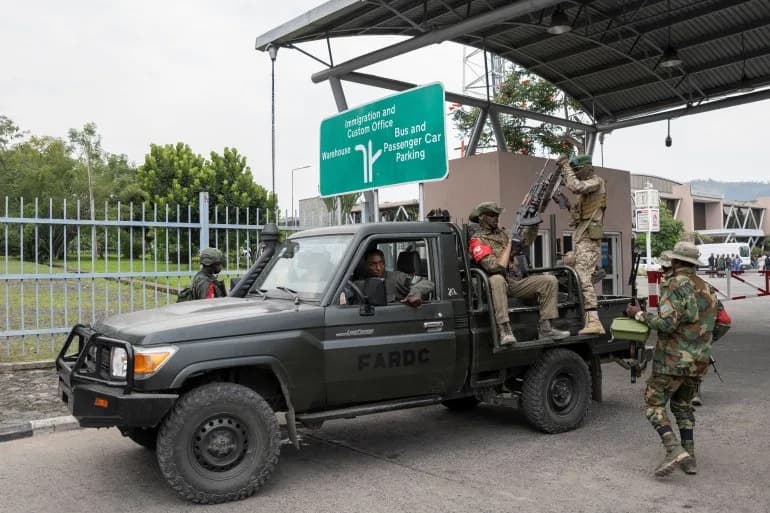
M23 rebel troops arrive at the Rusizi border post in Cyangugu, Rwanda [File: Hugh Kinsella Cunningham/Getty Images]
More than 413 civilians have been killed and roughly 200,000 people displaced after a renewed offensive by the Rwanda‑backed M23 armed group in South Kivu province, regional officials say. Residents and local authorities report that M23 consolidated control of the strategic port town of Uvira on Thursday, intensifying fears that a recent US‑mediated peace agreement between the DRC and Rwanda is unraveling.
Capture of Uvira and Rising Toll
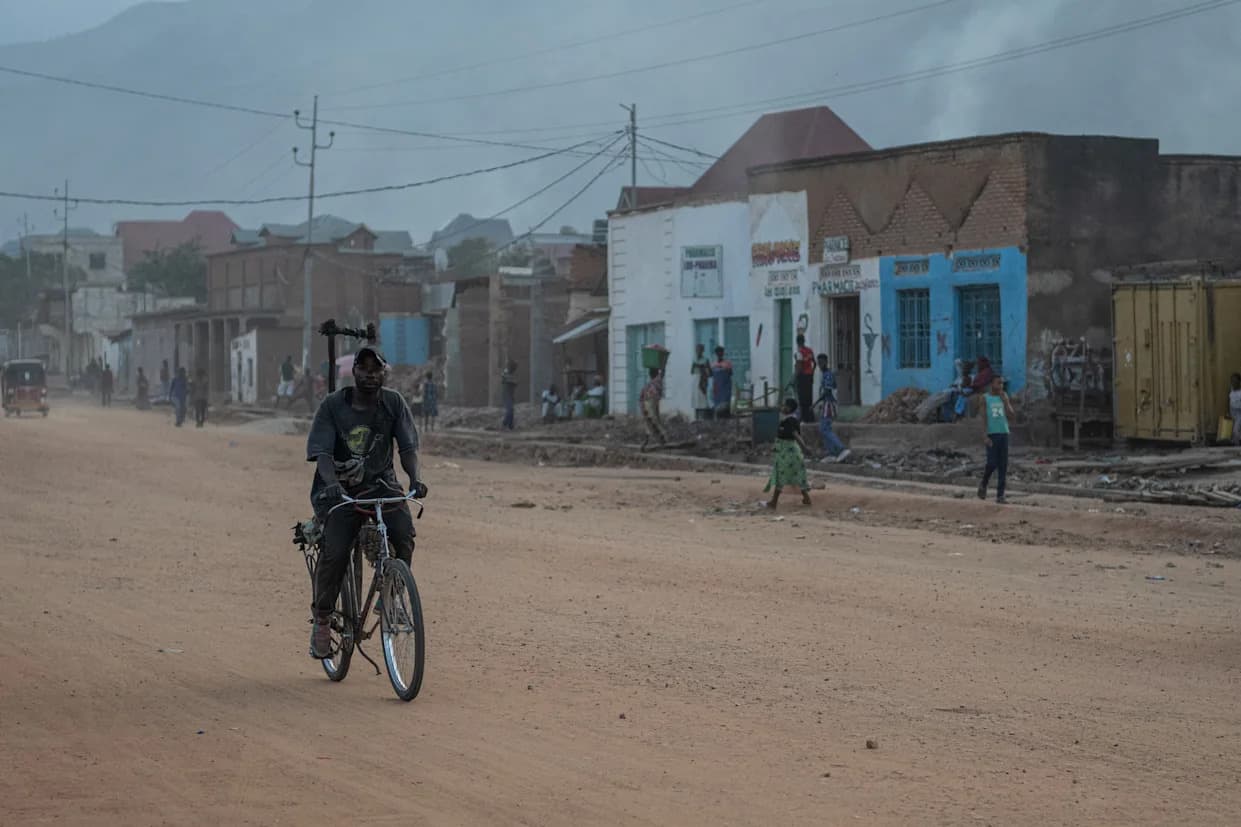
M23 announced it had taken Uvira following a rapid offensive that began earlier this month. Sporadic gunfire was reported on the town's outskirts the following day, and many residents fled or sheltered to avoid the clashes. Uvira, an important port on the northern tip of Lake Tanganyika opposite Bujumbura in Burundi, has strategic and humanitarian significance for the region.
"More than 413 civilians [have been] killed by bullets, grenades, and bombs, including many women, children, and young people," the South Kivu provincial government spokesperson said, describing violence in localities between Uvira and the provincial capital Bukavu.
Diplomatic Fallout and Accusations
The offensive comes despite a United States‑brokered agreement signed last week by the presidents of the DRC and Rwanda in Washington, D.C. That deal — which did not include M23 — obliges Rwanda to stop supporting armed groups and work to end hostilities. M23 has been negotiating separately with Kinshasa after an earlier ceasefire both sides accused each other of violating.
Regional and international bodies, including UN experts and US officials, accuse Rwanda of backing M23. The United Nations estimates M23 now fields roughly 6,500 fighters, up from only hundreds in 2021. UN experts also estimate as many as 4,000 Rwandan soldiers may be operating inside the eastern DRC. Kigali denies supporting M23 directly but acknowledged last year that Rwandan troops and missile systems were deployed in eastern DRC for security reasons.
International Responses
Washington said it was "deeply concerned by the ongoing violence," urging all parties to prevent further escalation. The US Embassy in Kinshasa called for M23 and Rwandan forces to halt offensive operations and for any foreign troops to withdraw. Rwanda's foreign ministry, meanwhile, blamed Congolese forces for recent ceasefire violations, accusing the DRC of refusing to observe ceasefire commitments.
Humanitarian Crisis
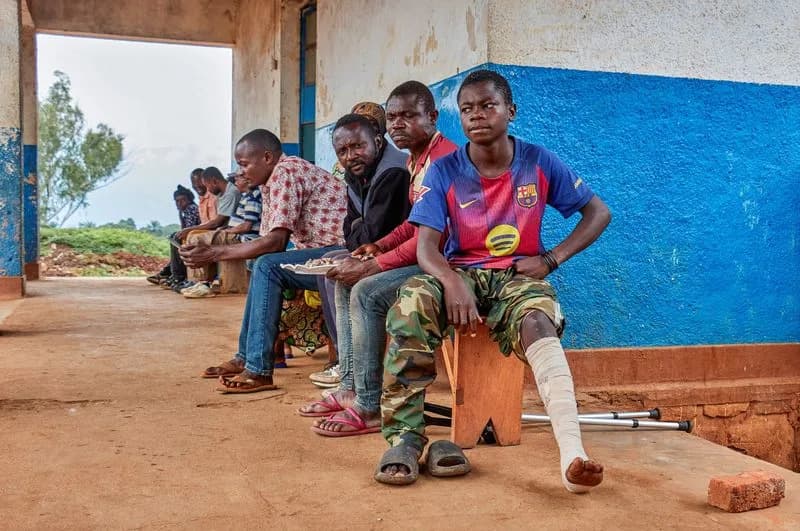
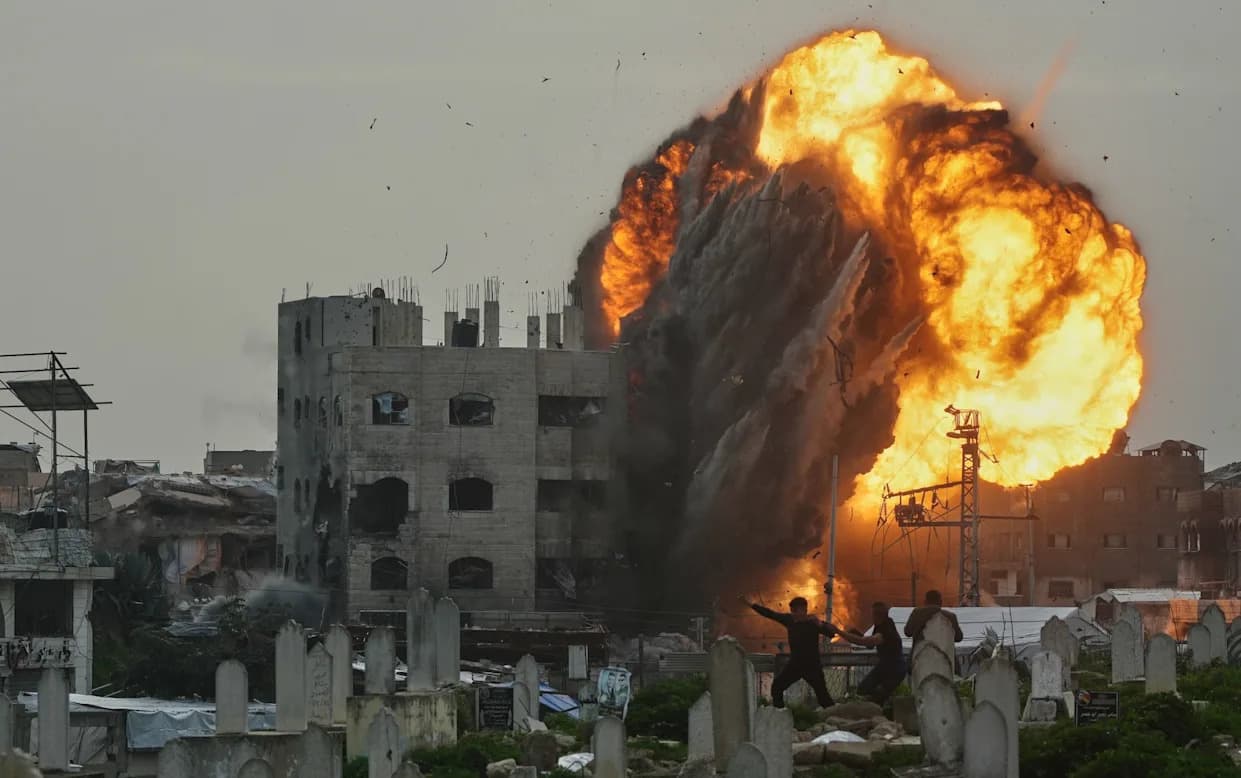
The conflict in eastern DRC has produced one of the world's largest humanitarian emergencies. Officials say the latest fighting has displaced about 200,000 people, and more than seven million have been uprooted across the broader conflict. Humanitarian access is limited in many areas, and civilians continue to face grave risks from active combat and explosive weapons.
Context: More than 100 armed groups operate in the mineral‑rich eastern DRC, and M23 is among the most prominent. The situation remains fluid, with diplomatic efforts now under strain and humanitarian needs rising rapidly.
Help us improve.