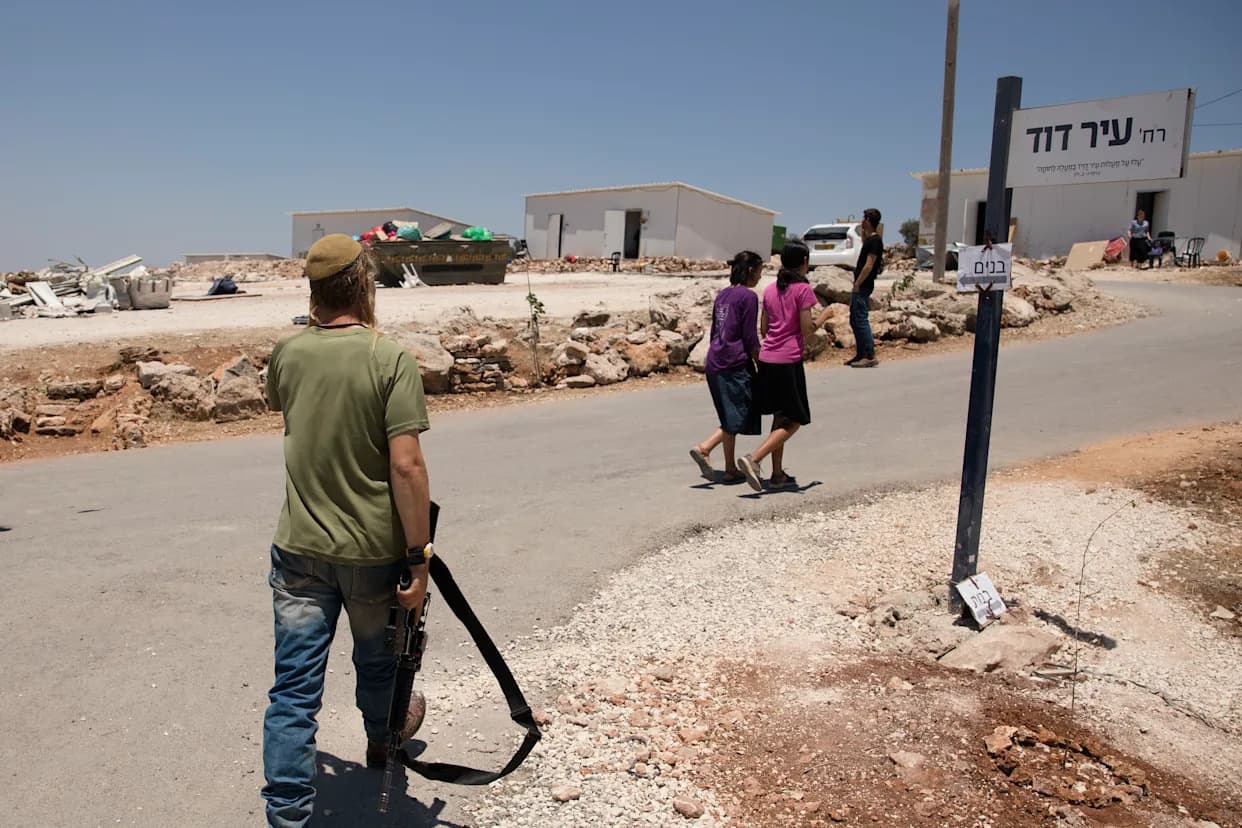
Israel's Higher Planning Council approved 764 new housing units across three West Bank settlements — 478 in Hashmonaim, 230 in Beitar Illit and 56 in Givat Ze'ev — a move championed by Finance Minister Bezalel Smotrich. Palestinian officials and watchdogs, including Peace Now, condemned the decision as pushing toward de facto annexation and warned it could fuel further violence. The approvals come amid reports of plans to seize parts of a historic site and a recent uptick in settler attacks recorded by the U.N., raising broader concerns about the future of a Palestinian state.
Israel Approves 764 New Homes In Three West Bank Settlements, Drawing International Criticism
Israel has authorized construction of 764 new housing units across three Jewish settlements in the occupied West Bank, a decision that drew condemnation from Palestinian officials and rights groups who say it advances de facto annexation and risks escalating violence.
Approvals and Government Response
Finance Minister Bezalel Smotrich said the Higher Planning Council — the body that oversees settlement planning in the West Bank — approved 478 units in Hashmonaim, 230 in Beitar Illit and 56 in Givat Ze'ev. Smotrich, a settler who oversees settlement policy, described the move as part of a "clear strategic move to strengthen settlement and ensure continuity of life, security and growth." He added that the approvals bring the total number of West Bank housing units authorized since he took office to 51,370.
Palestinian and Rights Groups' Reactions
"This approval is part of a settlement policy that aims to ignite the region and drag it into a cycle of violence and war," said Nabil Abu Rudeineh, spokesperson for Palestinian President Mahmoud Abbas.
Anti-settlement watchdog Peace Now accused the government of "racing toward de facto annexation," noting that authorizing 764 units "is not unusual" amid a rising tally of approvals. The group called the expansion "a double injustice," arguing it entrenches an illegitimate system and will carry a heavy cost if evacuations are ever required.
Context And Security Concerns
Most of the international community regards Israeli settlements in the occupied territories as illegal under international law, and the U.N. Security Council has repeatedly opposed settlement expansion.
The approvals come soon after reports of government plans to seize parts of a major West Bank historic site and follow a controversial August decision approving a settlement project that critics say would effectively split the territory. Critics, including Palestinian leaders and human rights organizations, say accelerated settlement growth under Prime Minister Benjamin Netanyahu's government aims to hinder the creation of a viable future Palestinian state.
Incidents Of Violence
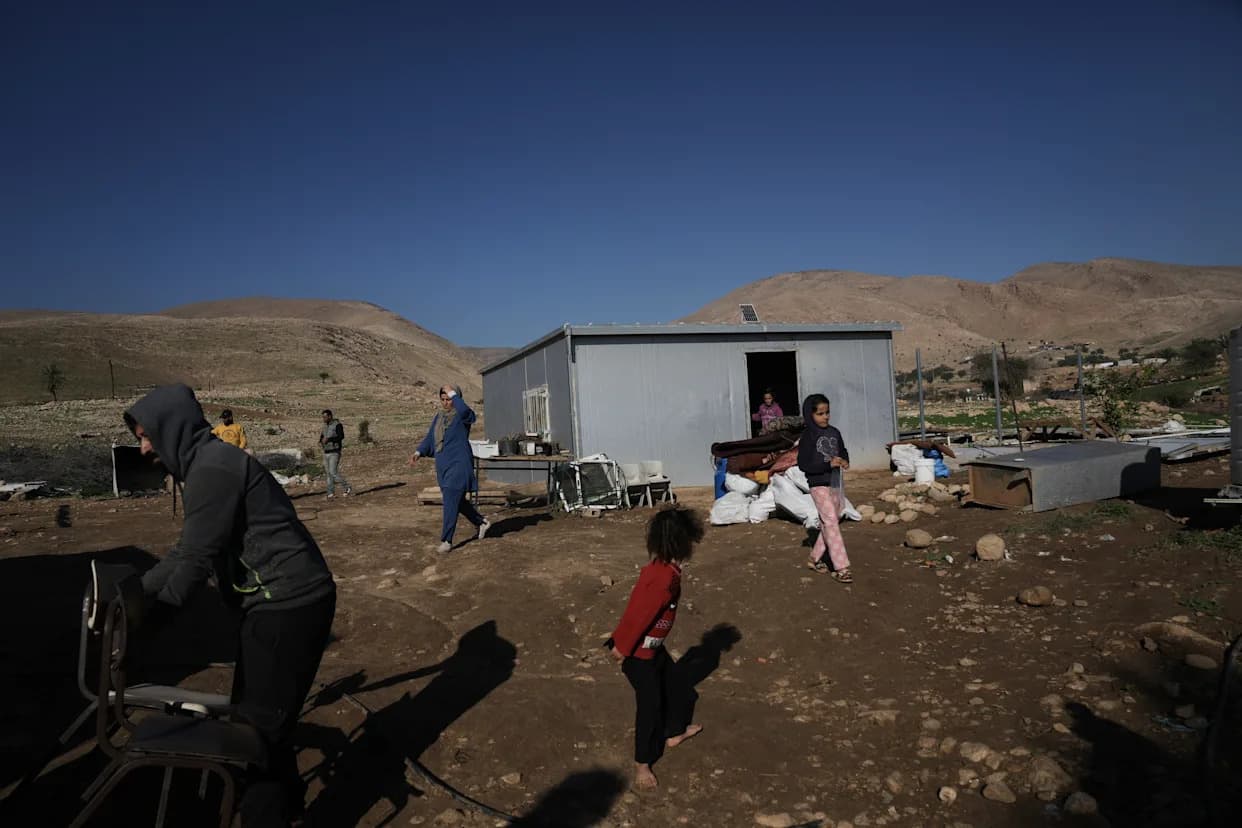
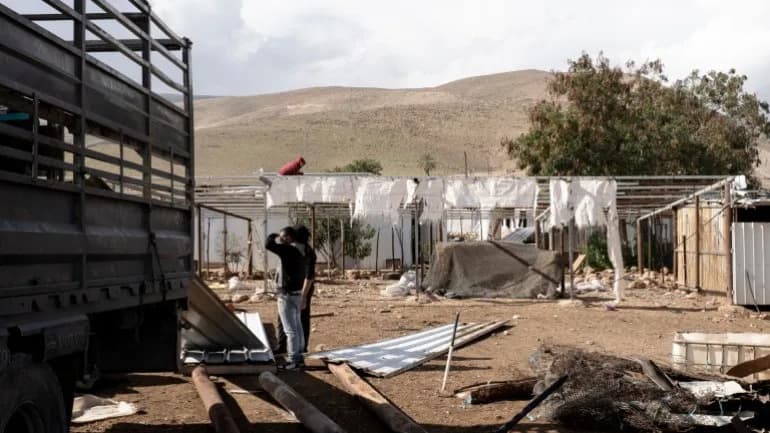
Settlement expansion has coincided with a reported rise in attacks on Palestinians across the West Bank. The U.N. humanitarian office reported that during October's olive harvest settlers carried out an average of eight attacks per day — the highest rate since the office began collecting data in 2006 — and recorded at least 136 additional attacks by Nov. 24. Reported incidents include burned cars, desecrated mosques, ransacked industrial plants and destroyed cropland. Israeli authorities have mostly issued occasional condemnations and, critics say, taken limited concrete enforcement actions.
Demographics And Political Landscape
Israel captured the West Bank, east Jerusalem and Gaza in the 1967 war. Since then, more than 500,000 Israeli settlers have moved into the West Bank along with over 200,000 in contested east Jerusalem. The current Israeli government includes prominent far-right figures from the settler movement, such as Smotrich and Cabinet Minister Itamar Ben-Gvir, who oversees the police.
What This Means: The approvals are likely to deepen international and Palestinian criticism, increase tensions on the ground, and complicate prospects for a negotiated two-state solution.
Help us improve.