RootsAction’s autopsy contends Kamala Harris’s 2024 campaign lost by prioritising moderate suburban voters over the Democratic base and failing to break with Biden on Gaza. The report points to a roughly 6.8 million vote decline from Biden 2020, only 107 days of general‑election campaigning, and a collapse in turnout among young and working‑class voters. It recommends embracing bold economic populism, curbing corporate political influence, and reassessing ties to AIPAC.
RootsAction Autopsy: Harris Lost By Chasing Moderates, Neglecting the Base

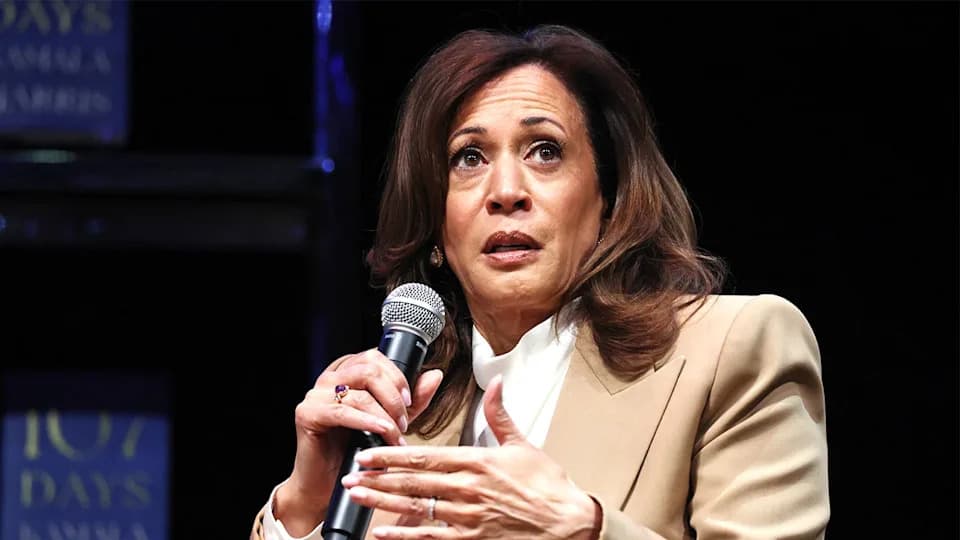
Kamala Harris speaks about her election defeat at Howard University in Washington.Photograph: Kevin Lamarque/Reuters
RootsAction’s post‑mortem argues Kamala Harris’s 2024 campaign lost ground by courting moderate suburban Republicans while failing to energise working‑class, young and progressive Democrats. The grassroots group’s report — Autopsy: How Democrats Lost the White House — blames a sharp fall in Democratic turnout, mixed messaging on the economy, and a refusal to distance the campaign from the Biden administration on Gaza for contributing to narrow defeats in key states.
The report, authored by Christopher Cook and edited by Sam Rosenthal, cites three broad causes: strategic choices by the campaign, long‑term party erosion among working‑class voters, and amplified outside interference. RootsAction says Harris received roughly 6.8 million fewer votes than Joe Biden did in 2020, while Donald Trump added about 2.8 million votes to his previous total.
Turnout Collapse and Campaign Time Constraints
RootsAction highlights a precipitous drop in turnout among core Democratic groups. For the first time since 2004, independent voters turned out in greater numbers than registered Democrats. Young voters (ages 18–29) and turnout in Democratic strongholds declined sharply — a pattern the report calls politically decisive.
The authors also point to structural disadvantages: Biden’s late decision to run and his subsequent withdrawal left Harris with only 107 days and no primary season to build momentum, saddling her campaign with an unpopular incumbent’s record and limited organizing time.
Messaging, Strategy, And Economic Appeal
The autopsy faults the campaign’s messaging for failing to speak to voters’ economic anxieties. At a time when nearly 70% of voters rated the economy "not so good" or "poor," the campaign leaned on upbeat themes tied to "Bidenomics" and avoided more populist language. RootsAction argues that advisers with corporate ties pushed the campaign toward moderate, pro‑business tweaks rather than bold, working‑class proposals.
According to the report, terms like "living wage" and "union jobs" fell out of the campaign’s rhetoric as the race progressed, while the campaign was often associated with figures such as former Republican congresswoman Liz Cheney and billionaire advisers, rather than labor leaders.
Gaza, Identity Groups, And Swing State Losses
The report says Harris’s refusal to signal a meaningful break from the Biden administration on Israel and Gaza alienated Arab American, Muslim, young and progressive voters in key states. It cites polling shifts — for example, a reported drop from 59% support for Biden among Arab American voters in 2020 to roughly 41% for Harris in 2024 — and local reversals such as Dearborn, where Trump led 42% to 40% while a Green Party candidate drew a significant share.
Outside Influence, Disinformation, And Structural Problems
RootsAction notes unprecedented outside spending and social‑media amplification of disinformation, citing reported large contributions that funded targeted messaging against Democratic candidates. The report acknowledges voter bias — sexism and racism directed at Harris — but concludes these were not the campaign’s central cause of defeat.
"To win back the White House and Congress, we urge the Democratic Party to change course and embrace economic populist policies that inspire and help working‑class Americans," the report states. "The Democratic Party must show voters that it has a spine and can stand up to corporate and big‑money interests."
Recommendations
RootsAction makes three primary recommendations: adopt a bold economic populist agenda (expanded Medicare for All, a higher federal minimum wage, stronger union protections, aggressive anti‑trust enforcement, and higher taxes on corporations and the wealthy); limit corporate campaign funding and challenge the effects of Citizens United (2010); and formally reassess the party’s relationship with AIPAC and U.S. policy toward Israel.
Norman Solomon, RootsAction’s national director, draws parallels with the 2016 Democratic loss and calls for rebuilding a genuinely broad coalition: more outreach to young people and working‑class voters, and less deference to corporate donors and consultants who resist major change.
Contextual caveat: This article summarizes RootsAction’s independent analysis and reporting from other outlets noted in the autopsy. The figures and anecdotes in the report reflect its research and cited sources; other analyses and the Democratic National Committee’s own after‑action review may offer additional perspectives.
Help us improve.