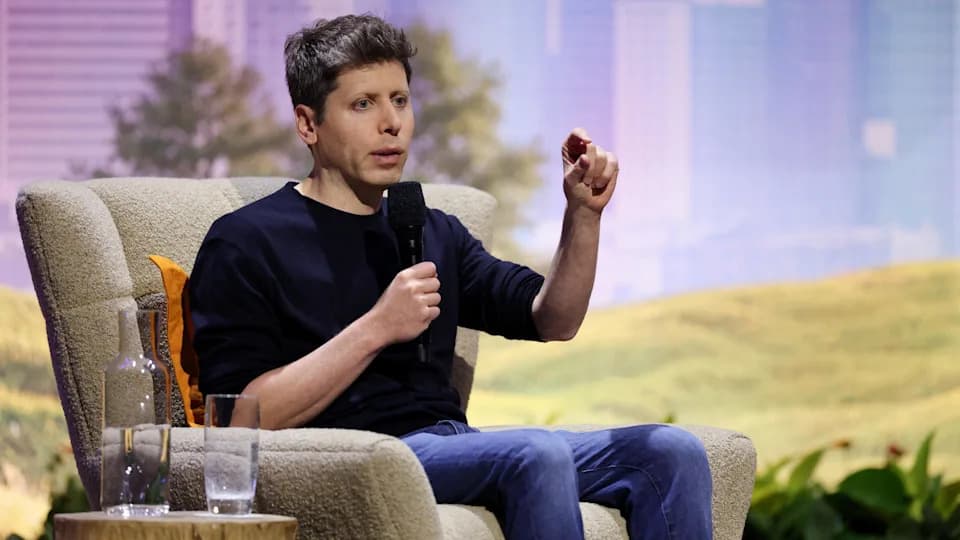
Sam Altman, CEO of OpenAI, warned that ChatGPT’s unprecedented three‑year rise — now reaching more than 800 million weekly users — has created anxiety about the pace of societal change. He emphasized the need to introduce AI responsibly and acknowledged internal pressure, reportedly declaring a “code red” to improve ChatGPT amid competition. While Altman warned of rapid job disruption, he remained optimistic that new jobs and breakthroughs — particularly in medicine and even space industries — will emerge.
Sam Altman Warns About AI’s Breakneck Pace as ChatGPT Tops 800 Million Weekly Users

Just three years after ChatGPT launched, the AI tool has disrupted industries, accelerated scientific research and stoked hopes that diseases could be cured and workweeks shortened. But the technology’s rapid spread has also generated fresh anxieties — concerns that OpenAI’s CEO Sam Altman says deserve urgent attention.
Altman acknowledged a “long list of things” about ChatGPT’s rise that are troubling, beginning with how quickly the system has reshaped everyday life and institutions. Speaking on The Tonight Show with Jimmy Fallon, he singled out the speed of adoption as a core worry.
“One of the things that I’m worried about is just the rate of change that’s happening in the world right now,” Altman told Fallon. “This is a three‑year‑old technology. No other technology has ever been adopted by the world this fast.”
Altman warned that rolling out the technology responsibly will be a major challenge. “Making sure that we introduce this to the world in a responsible way, where people have time to adapt, to give input, to figure out how to do this — you could imagine us getting that wrong,” he said.
With more than 800 million people now using ChatGPT each week, the stakes are high. The tool is being integrated into classrooms, workplaces and research labs often faster than safety measures, oversight and public debate can keep pace.
Competition, “Code Red,” and Job Disruption
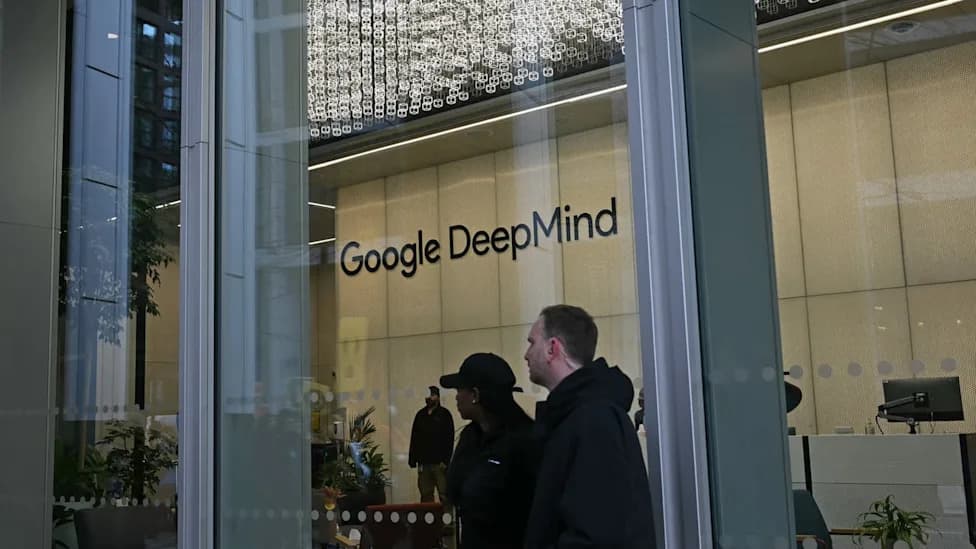
Altman’s unease extends to the competitive landscape. The 40‑year‑old CEO reportedly declared a “code red” at OpenAI to channel more resources into improving ChatGPT as rival projects from Google, Meta and Anthropic intensify.
Collectively, these companies have driven historic productivity gains and new methods of collecting and analyzing information — but they’ve also intensified uncertainty about the future of work. Anthropic CEO Dario Amodei has warned that AI could eliminate half of entry‑level white‑collar jobs, a stark projection that has sparked debate across industry and public policy circles.
Altman, while candid about disruption, remains broadly optimistic that new categories of work will emerge. “The rate at which jobs will change over may be pretty fast. I have no doubt that we’ll figure out all new jobs to do and I hope, much better jobs,” he told Fallon.
New Industries: Space And Medicine
Altman has even suggested some future careers could be “out of this world.” In an interview with video journalist Cleo Abram earlier this year, he imagined a 2035 graduate leaving for a mission to explore the solar system aboard a spaceship — taking on “completely new, exciting, super well‑paid, super interesting” roles.
Google CEO Sundar Pichai has expressed similar optimism about space‑related growth. On Fox News last month, Pichai described one of Google’s “moonshots”: the idea of placing data centers in space to harness sunlight far more efficiently — noting the sun supplies roughly 100 trillion times more energy than humanity uses on Earth.
Among tech leaders, there is near‑universal enthusiasm about AI’s potential in medicine. Anthropic’s Dario Amodei has suggested AI could dramatically reduce many cancers; Microsoft co‑founder Bill Gates has predicted “breakthrough treatments.” Already, AI is speeding drug discovery and helping scientists analyze biological data at scales that were previously impractical.
Altman forecast that AI models could help usher in disease‑curing innovations by around 2030. “Five years is a long time,” he said. “Next year, I hope we’ll start to see these models really make small but important new scientific discoveries. And in five years, I hope they’re curing diseases.”
Fortune reached out to OpenAI for further comment. As the technology continues to evolve, policymakers, researchers and companies will face difficult trade‑offs between rapid innovation and the need for safeguards that let societies adapt.
Help us improve.