The Vatican has returned 62 Indigenous artifacts — including a rare Inuvialuit kayak — to Canada; the items were unveiled at the Canadian Museum of History. Governor General Mary Simon called the handback "historic," while Indigenous leaders said the returns grew out of discussions during Pope Francis's 2022 visit. Historians caution that claims the objects were voluntarily donated can be disputed because of power imbalances during missionary activity. Officials say the repatriation is an important first step amid calls for further returns.
Vatican Returns 62 Indigenous Artifacts to Canada — Rare Kayak Among Items Repatriated

The Vatican has returned 62 Indigenous artifacts to Canada, including a rare Inuvialuit kayak, in a repatriation unveiled this week at the Canadian Museum of History. The handover has reignited calls for further returns of culturally significant items held by the Catholic Church.
Historic Return, But Questions Remain
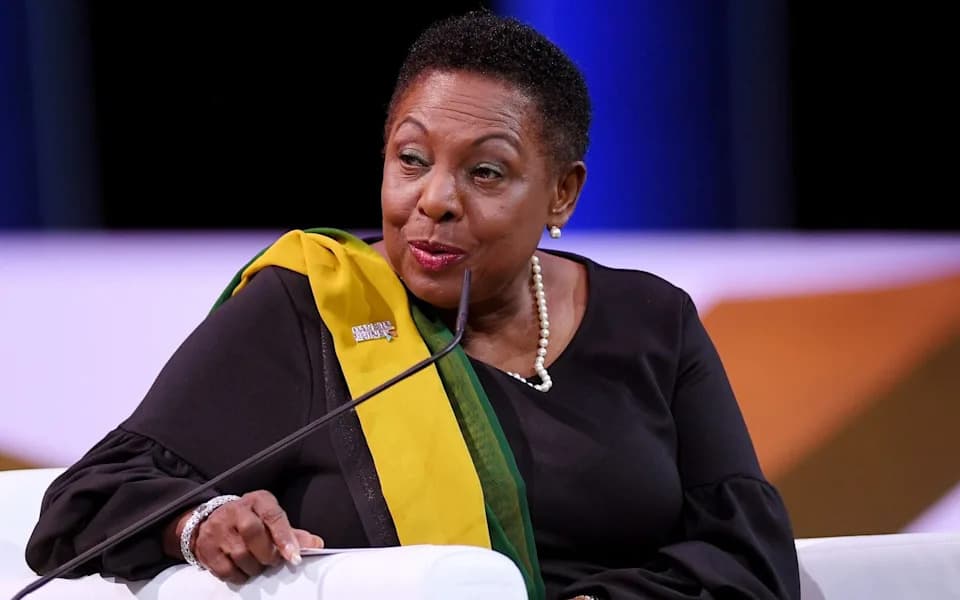
Governor General Mary Simon — the first Indigenous person to represent the British monarch in Canada — called the repatriation "historic," saying the objects had been separated from the communities to whom they belong for too long.
Inuit leader Natan Obed said the returns grew out of discussions during Pope Francis's 2022 penitential pilgrimage to Canada, when Indigenous leaders asked the Vatican to return culturally important objects and the pope acknowledged the church's role in historical abuses.
Context and Contested Origins
Cody Groat, an expert in Indigenous cultural heritage at Western University, told AFP that there are "conflicting interpretations" about how many of the items reached Rome in the 1920s. The Vatican has described the objects as once having been donated and now being returned, but Groat and other experts caution that claims of voluntary donation are complicated by the clear power imbalance between missionaries and Indigenous communities at that time.
"Given the historical power imbalance, the notion of a fully voluntary transfer can be contested," Groat said.
Efforts to seek repatriation gained momentum after Canada’s Truth and Reconciliation Commission published a report highlighting the Catholic Church’s involvement in abuses at residential schools. During his 2022 visit, Pope Francis offered an unprecedented apology to Indigenous communities for the harms suffered in those institutions, describing the abuses as "genocide."
Scope and Next Steps
Obed said early talks focused on the Inuvialuit kayak and included direct discussions between then-prime minister Justin Trudeau and Vatican officials; those discussions expanded to include the broader group of items now being returned. The Vatican identified the 62 artifacts for repatriation, many of which are closely tied to a 1925 Vatican museum exhibition that celebrated missionary activity.
Experts say this repatriation should be viewed as a starting point. Identifying and recovering additional Indigenous artifacts may be challenging because Vatican collections can be difficult for outside researchers to access and documentation is sometimes limited.
What Comes Next: Indigenous communities, the Canadian government and the Catholic Church will likely continue discussions about provenance research, culturally appropriate care, and the potential return of additional objects held in international collections.
Help us improve.