Leaked emails from 2013–2016 reveal that former Israeli prime minister Ehud Barak consulted Jeffrey Epstein on business opportunities and used Epstein’s contacts and New York apartment for meetings. Projects discussed included solar-powered HALE drones, malaria-testing technology and the proposed sale of oil company Gadeco LLC. Epstein offered financial advice, claimed prior payments and proposed a retainer, while also arranging high-level introductions. Barak says he cut ties after Epstein’s 2019 arrest and denies knowledge of Epstein’s criminal conduct.
Leaked Emails Reveal Close Business and Personal Ties Between Ehud Barak and Jeffrey Epstein

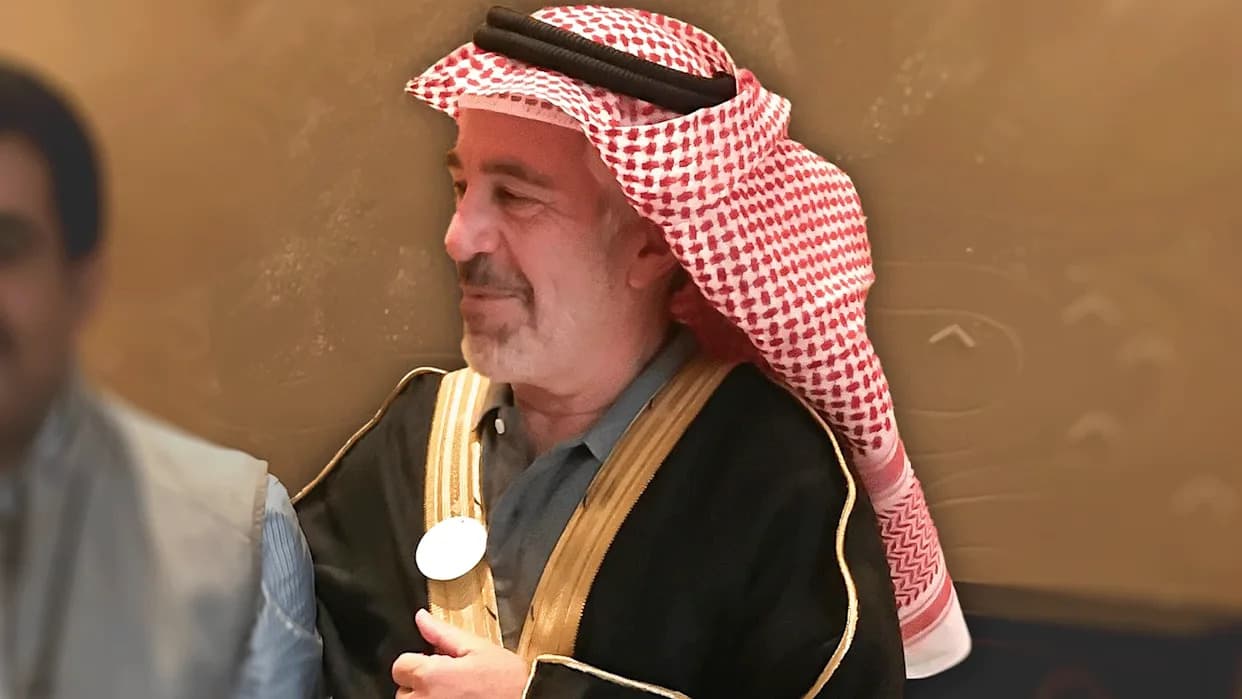
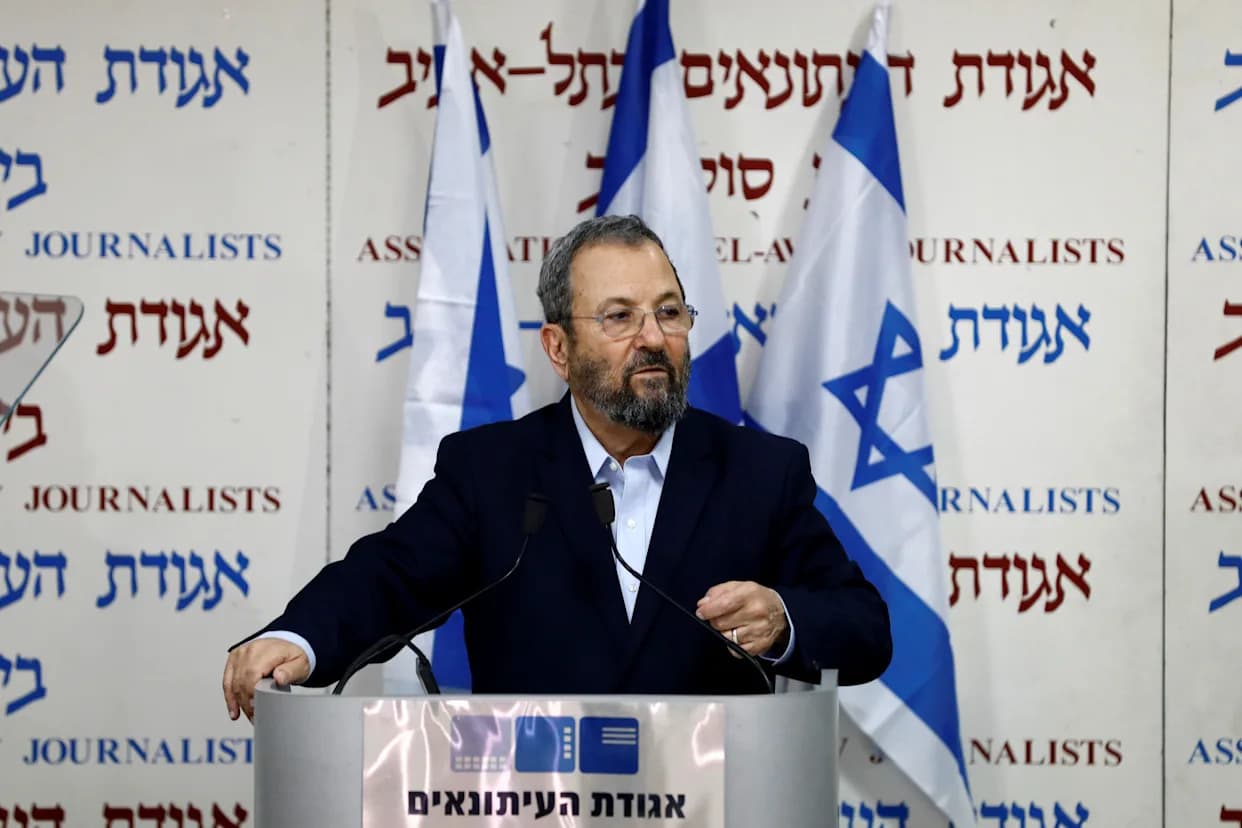
Leaked emails from 2013–2016 show former Israeli prime minister Ehud Barak maintained a close, sometimes blurred, mix of business and personal relations with the late financier Jeffrey Epstein. The correspondence — published by the whistleblower site Distributed Denial of Secrets after being stolen by the hacktivist group Handala (which Canada has linked to Iranian intelligence) — documents investment discussions, introductions to powerful figures, and the use of Epstein’s New York residence for meetings and writing.
Business Deals and Financial Advice
The emails portray Epstein as an adviser, connector and occasional paid consultant. He claimed to have been paid at least $5 million and proposed a $2 million annual retainer plus profit share for ongoing services, though the final terms (if any) were not publicly confirmed. Epstein gave blunt assessments of transactions Barak considered, repeatedly urging caution when he judged deals risky or poorly documented.
Notable Projects Discussed
Light & Strong (Drones) — Barak explored joining and investing in Light & Strong, an Israeli company developing solar-powered high-altitude, long-endurance (HALE) drones under “Project Sun Spark.” Epstein and his counsel reviewed the company’s accounts and advised against the investment, calling the business case into question.
Gadeco Sale (Oil & Gas) — Barak acted as an intermediary in 2014 for Jack Grynberg’s Gadeco LLC, proposing potential buyers including China National Offshore Oil Corporation (CNOOC), Viktor Vekselberg and a Hong Kong-based consortium. Epstein reviewed the documents and strongly advised Barak to walk away; the proposed sale did not complete and Grynberg later lost control of parts of his empire after family litigation.
Parasight / Sight Diagnostics (Health Tech) — Barak used Epstein’s Manhattan apartment to host a meeting with Boris Nikolic of the Bill & Melinda Gates Foundation about Parasight’s malaria- and parasite-testing platform. The Gates Foundation ultimately declined to pursue the technology, citing deployment challenges for certain machine-based solutions in remote regions.
Introductions, Influence and Personal Ties
Beyond dealmaking, Epstein used his network to suggest introductions to global figures across politics, finance and academia — from Vladimir Putin and Ariane de Rothschild to Leon Black, Michael Bloomberg and Peter Thiel. Barak met Putin in Moscow in June 2013 while acting as a backchannel on Syria; the meeting did not change Putin’s position on Assad.
The tone of the correspondence sometimes read as personal friendship. Epstein invited Barak and his wife to visit his Caribbean island and provided Barak with an apartment in Manhattan where Barak wrote parts of his memoir. Barak thanked Epstein for the apartment and hospitality in messages included in the leak.
“This is total 100 percent BULLSHIT...STAY AWAY,”
Responses, Denials and Political Fallout
Barak has said he severed ties with Epstein after the 2019 arrest on sex‑trafficking charges and has denied any knowledge of Epstein’s criminal activity. In 2015 he denied to The Mirror — via lawyers — that he was aware Epstein “was paying underage girls for sex.” Epstein died in a Manhattan jail cell in 2019 in a death ruled a suicide.
Barak’s association with Epstein resurfaced as a political liability when he sought a return to the Knesset in 2019; his alliance underperformed and he failed to win a seat amid renewed scrutiny of his ties to Epstein.
What The Emails Show—and What They Don’t
The leaked correspondence documents a relationship that combined professional collaboration, social contact and mutual introductions. It provides new detail about the ventures Barak discussed with Epstein and the role Epstein played as a gatekeeper to capital and connections. The emails do not, however, prove Barak’s knowledge of or involvement in Epstein’s criminal wrongdoing; Barak has denied such knowledge and the public record contains no criminal charges against him related to Epstein’s crimes.
Help us improve.