Donald Trump's proposed ceasefire for the Israel-Hamas war is confronting practical and political barriers as fighting shifts into a new phase. Diplomats and regional actors doubt the plan’s enforceability and highlight the lack of clear monitoring and timelines. Rising uncertainty increases worries about civilian safety and complicates prospects for negotiations.
Trump's Ceasefire Plan Stumbles As Israel-Hamas Conflict Enters New Phase
Summary: Former President Donald Trump's proposal for a ceasefire in the Israel-Hamas war is encountering significant practical and political obstacles as the conflict evolves. Diplomats and regional actors question how the plan could be enforced amid intensifying operations, competing demands and unclear timelines. The resulting uncertainty raises urgent concerns about civilian safety and the prospects for meaningful negotiations.
What’s Driving the Doubts
Diplomats familiar with the proposal say several core challenges make implementation difficult: the changing dynamics on the ground, divergent expectations from Israel and Hamas, and the absence of a clear enforcement mechanism. Regional players — including mediators and neighboring states — are divided over whether the plan can be made viable without robust monitoring and guarantees.
Operational Challenges
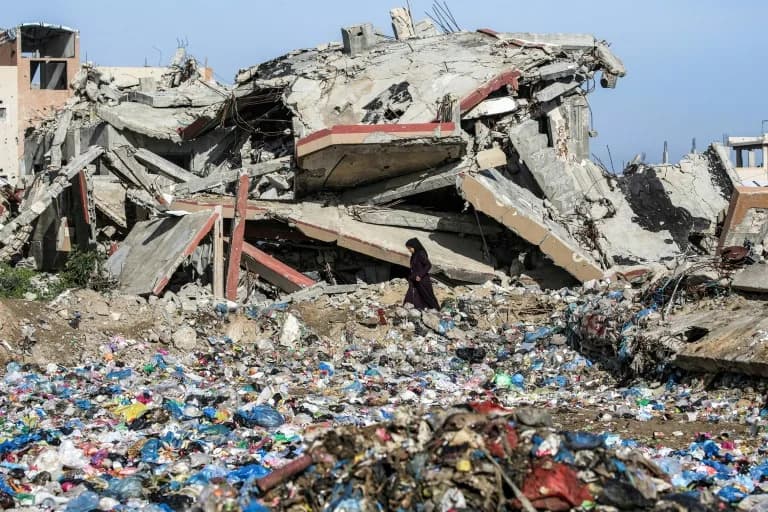
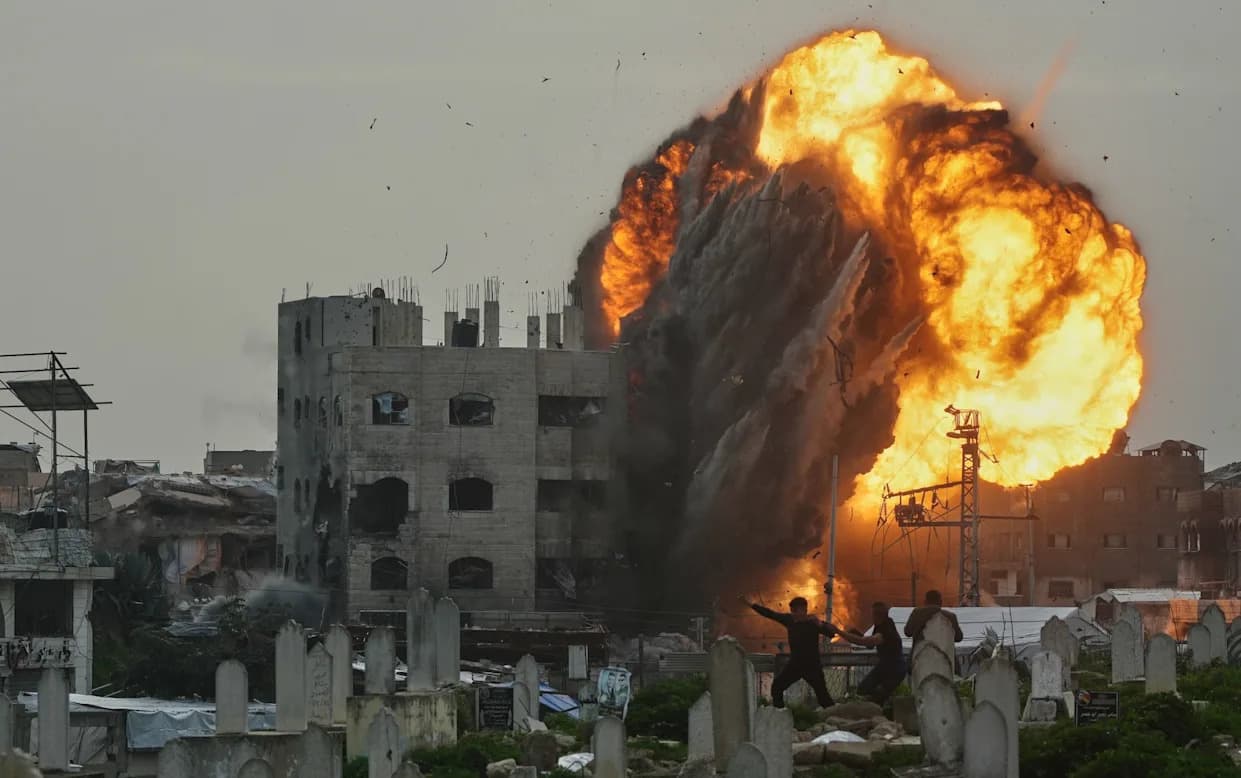
Military officials and analysts note that a shift in the intensity and geography of fighting complicates ceasefire logistics. Movements of forces, degraded communications, and fragmented command-and-control can all undermine attempts to establish a rapid, reliable halt to hostilities.
Political Obstacles
Political resistance stems from both sides and from regional stakeholders with differing strategic aims. Negotiators warn that competing political timelines and domestic pressures could force parties to harden positions rather than compromise, making any agreement fragile from the outset.
Humanitarian And Diplomatic Stakes
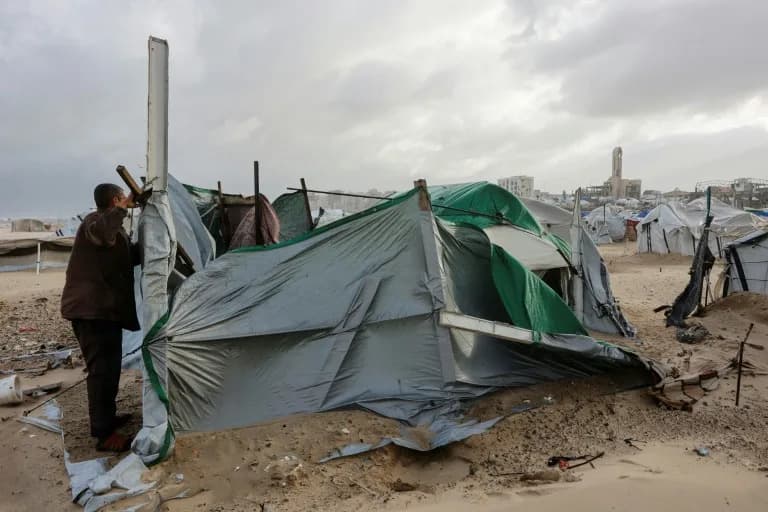
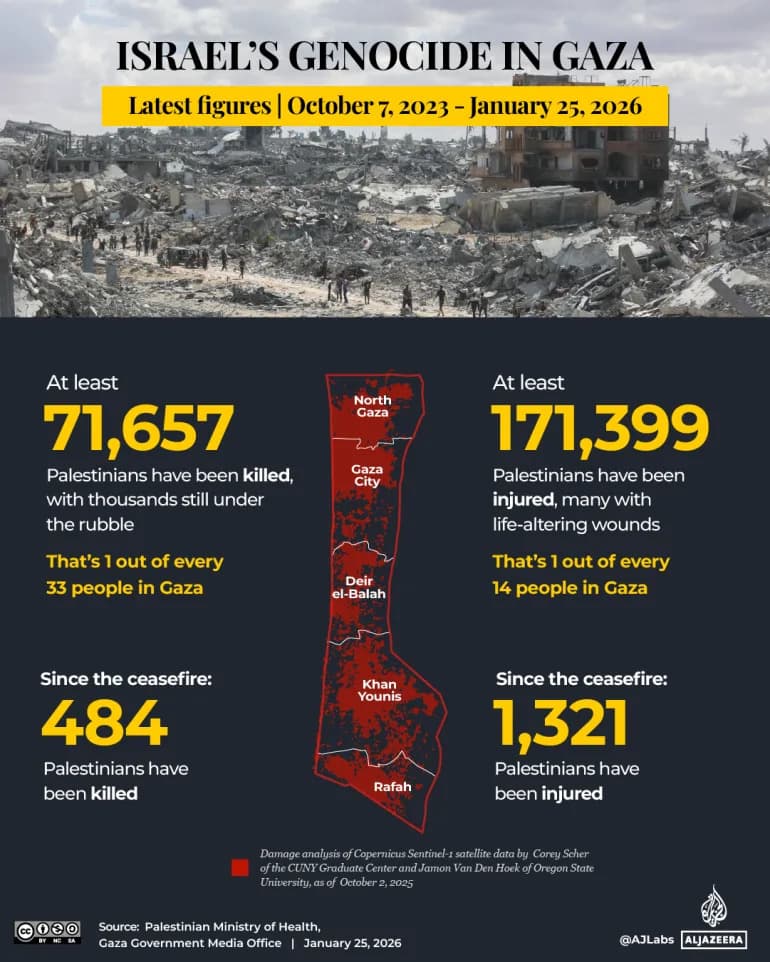
Civilian protection is central to urgency around a ceasefire proposal. Humanitarian agencies have emphasized the need for predictable access, safe corridors and independent monitoring — elements that diplomats say are not yet clearly defined in the plan. Without them, pauses in fighting risk being temporary or unevenly applied.
Bottom Line: While the proposal has opened a conversation about ending hostilities, its success would depend on concrete enforcement measures, credible third-party monitoring, and political buy-in from regional and international actors.
Policymakers and mediators are now weighing whether to revise the proposal, add verification mechanisms, or pursue narrower, time-limited humanitarian pauses as an interim step toward a broader cessation of hostilities.
Help us improve.