The ceasefire signed in Washington last Thursday is under serious strain after the Rwanda‑backed M23 advanced toward Uvira and cross‑border attacks were reported. DRC President Félix Tshisekedi accused Rwanda of violating the accord, while Burundi said bombs dropped near Cibitoke wounded two people, including a 12‑year‑old. UN experts allege summary executions and forced mass displacements by Rwanda’s army and the M23. Tens of thousands have been displaced since 2021, and regional troop deployments and casualties are rising.
Peace Deal Unravels as Rwanda-Backed M23 Advances Toward Uvira; DRC and Burundi Accuse Rwanda of Violations

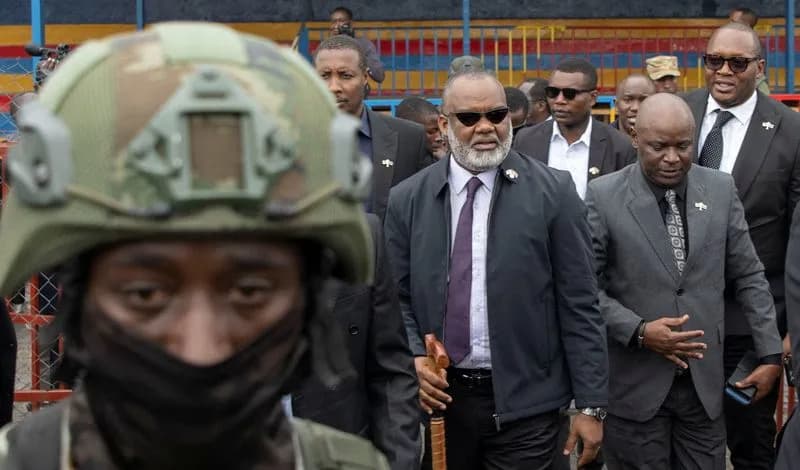
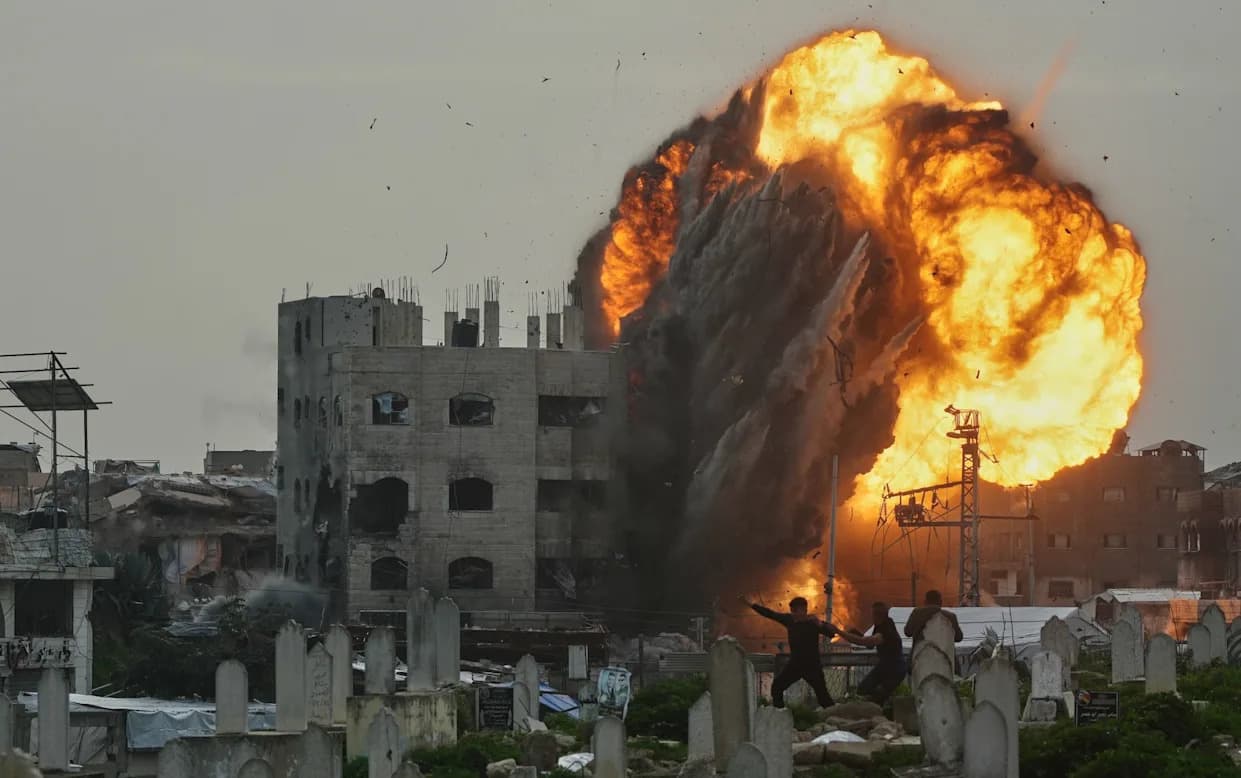
A ceasefire agreement signed last Thursday in Washington — at a ceremony attended by US President Donald Trump — appeared to be collapsing on Monday after the Rwanda‑backed M23 rebel group launched new attacks on border areas of the Democratic Republic of Congo (DRC).
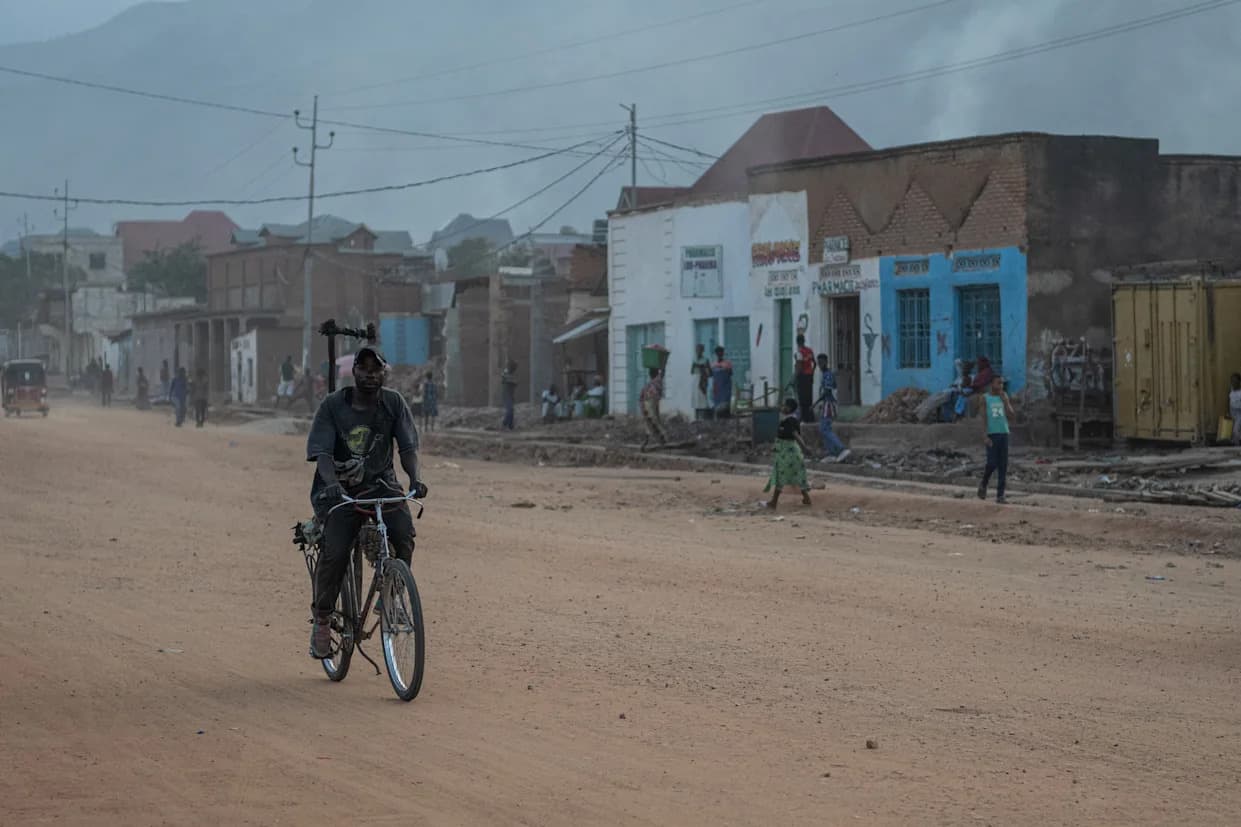
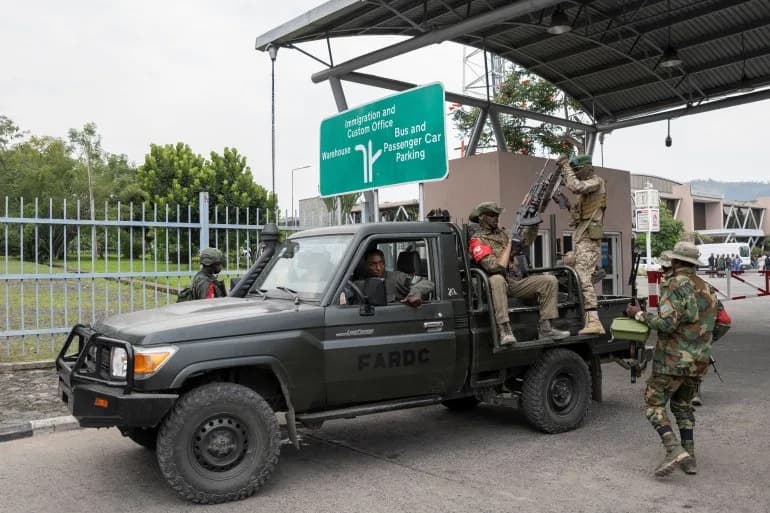
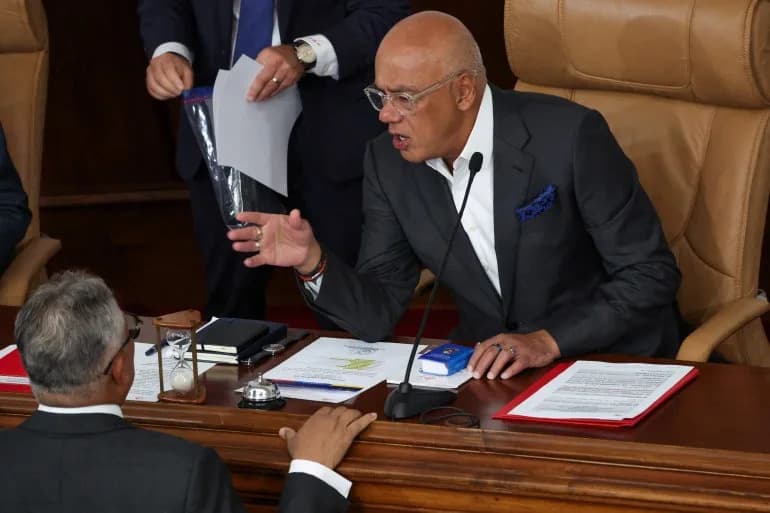
DRC President Félix Tshisekedi told lawmakers that Rwanda was "violating" the recently ratified accord, accusing elements of the Rwandan Defence Force of carrying out and supporting strikes with heavy weaponry in several parts of South Kivu province. Local and military sources said the M23 made a rapid push that now threatens the city of Uvira, on the border with Burundi.
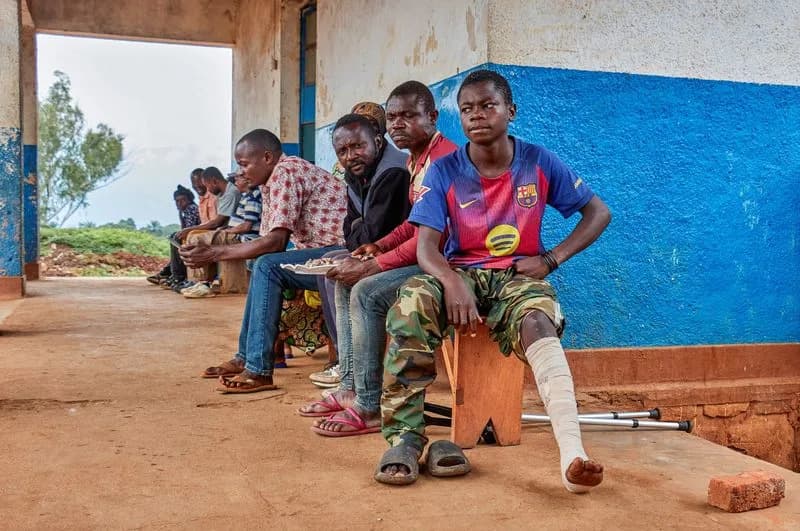
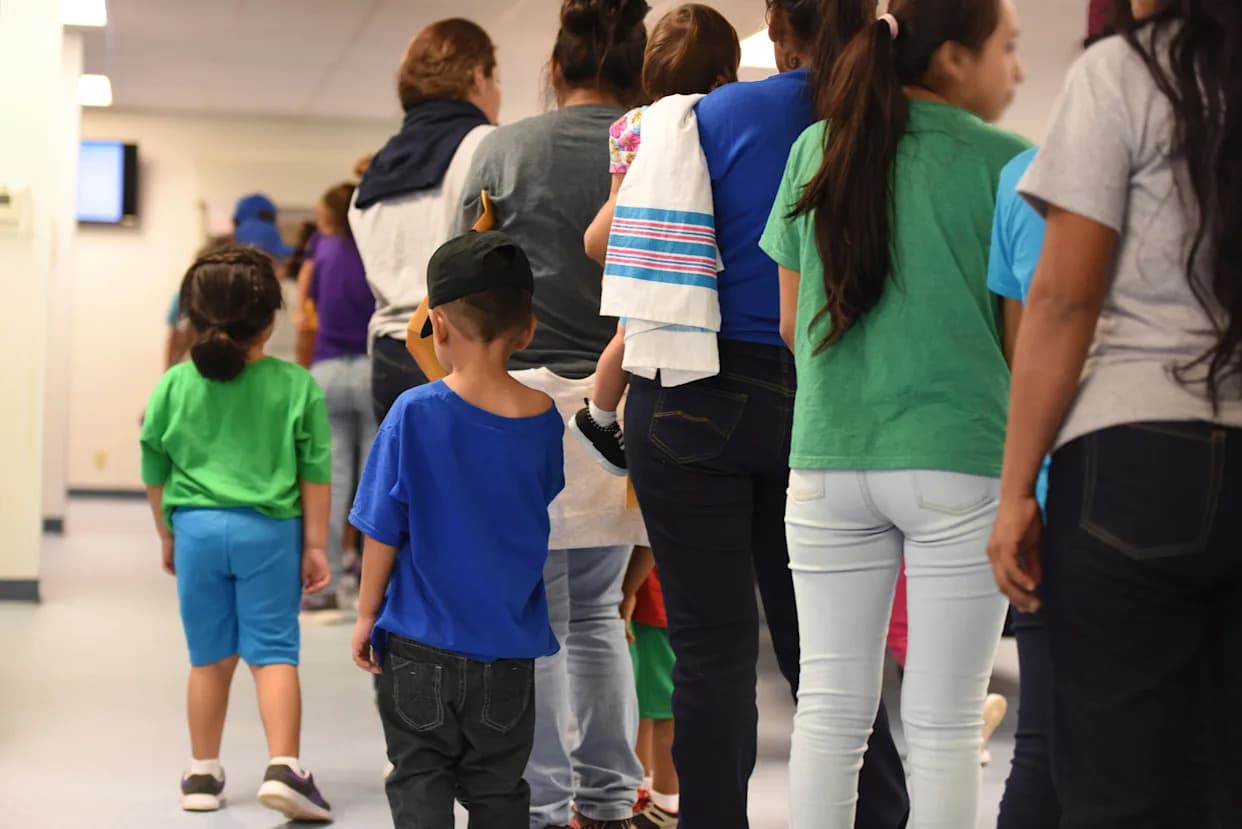
Hundreds of fleeing Congolese and allied Burundian soldiers have reportedly sought refuge inside Burundi, while civilians continue to flee the fighting. The Burundian foreign ministry said on X that bombs were dropped on Burundian territory near Cibitoke — a town bordering Rwanda and the DRC — wounding two people, including a 12‑year‑old child.
Recent Escalation and Humanitarian Impact
Violence in the mineral‑rich eastern DRC intensified this year when M23 fighters, backed by Kigali according to several international sources, captured the eastern city of Goma in January and later Bukavu, the capital of South Kivu. The militia’s renewed offensive, which began in 2021, has displaced tens of thousands and driven a growing humanitarian crisis across the region.
UN experts on Sunday reported allegations that Rwanda’s army and the M23 carried out summary executions and forced mass displacements of civilians. Military sources also reported clashes near Luvungi, about 60 kilometres north of Uvira, and bombings in Sange, between Luvungi and Uvira.
Regional Involvement and Stakes
Neighbouring states have repeatedly been drawn into conflict in eastern DRC. Burundi, which regards the fall of Uvira as a serious security threat because the town lies across Lake Tanganyika from its commercial capital Bujumbura, deployed roughly 10,000 troops to eastern DRC in October 2023 under a military cooperation agreement. Burundian military sources say reinforcements may have raised that presence to as many as 20,000 soldiers.
Burundian officials reported that at least 20 Burundian soldiers were killed on Congolese soil since last Monday. Witnesses and NGOs said Congolese civilians were crossing into Burundi to escape the violence, and AFP journalists also observed population movements toward Rwanda.
Diplomatic and Economic Dimensions
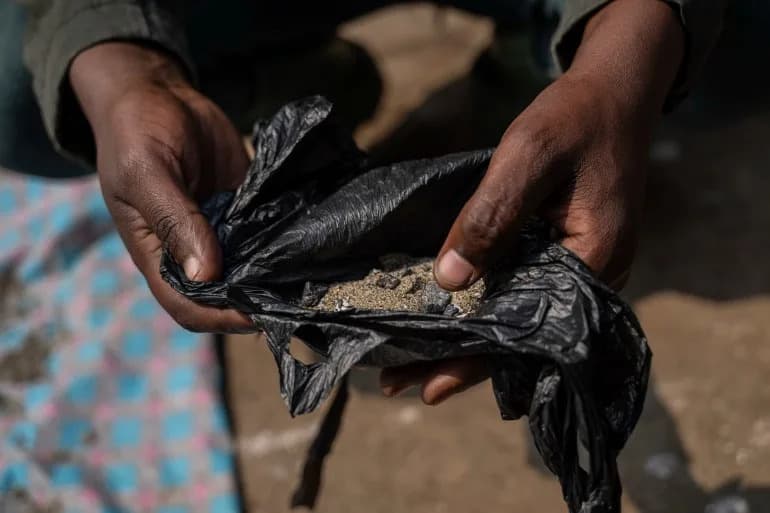
The Washington agreement included an economic component designed to secure critical mineral supplies from the region — a strategic objective for the United States as it seeks alternatives to China’s dominance in the sector. While US officials hailed the deal, observers had already raised doubts about its durability, and the latest fighting has undercut hopes for a rapid end to decades of conflict.
Outlook: With towns such as Uvira under immediate threat and allegations of cross‑border attacks, the newly signed agreement faces urgent tests. Humanitarian needs are growing as civilians and soldiers seek refuge across borders while diplomatic efforts to de‑escalate the situation intensify.
Help us improve.