A bomb exploded in Sange, South Kivu, killing more than 30 people and injuring about 20 after a firefight between FARDC soldiers and the pro-government Wazalendo militia. The blast occurred days after a U.S.-brokered peace agreement was signed in Washington, but residents and analysts say clashes have continued. President Felix Tshisekedi and Burundi's foreign minister accused Rwanda of violating the pact and supporting attacks; Rwandan authorities had no immediate comment. The incident highlights the persistent instability and humanitarian toll in eastern Congo.
Bomb Blast in Eastern Congo Kills Over 30 After Clash Between Army and Pro-Government Militia

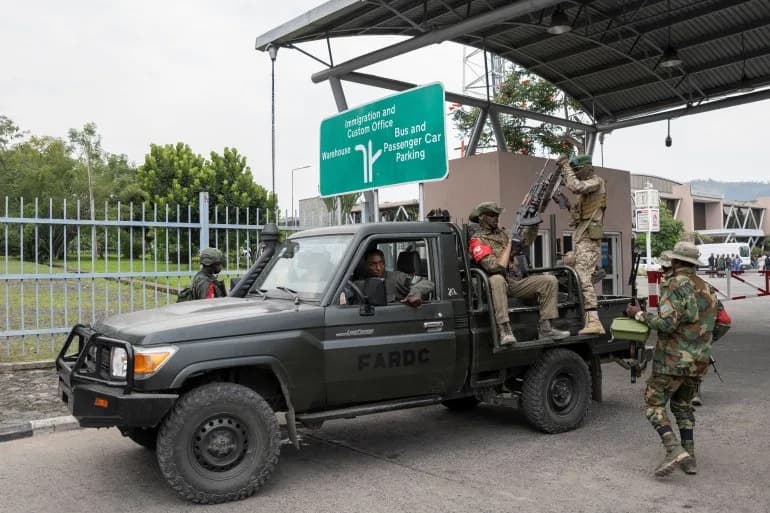
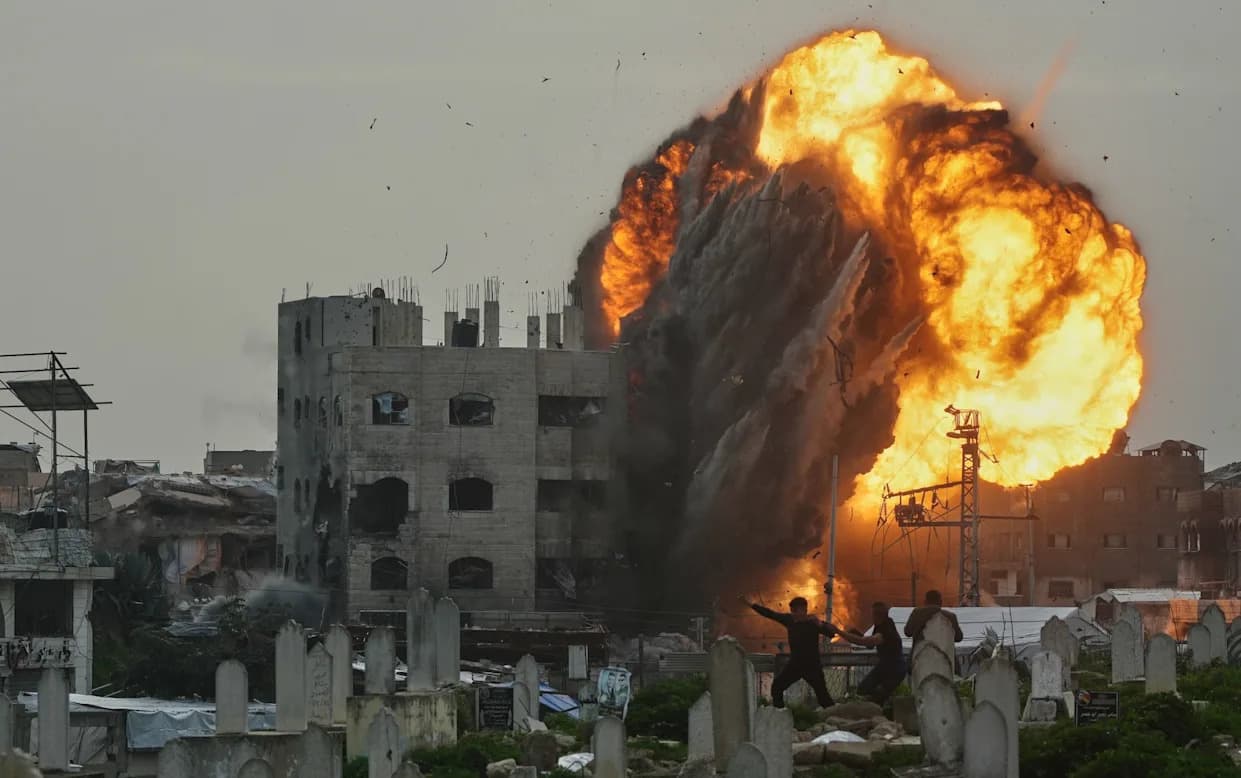
A bomb explosion tore through the town of Sange in South Kivu province, eastern Democratic Republic of Congo, killing more than 30 people and wounding about 20, residents and civil society leaders said. The blast followed a clash between elements of the Congolese armed forces (FARDC) and the pro-government Wazalendo militia on Sunday evening.
Witnesses told The Associated Press that FARDC troops returning from front-line positions and members of the Wazalendo militia exchanged gunfire in Sange before the explosion. Many civilians fled the town toward neighboring Burundi seeking safety.
Local Accounts and Casualties
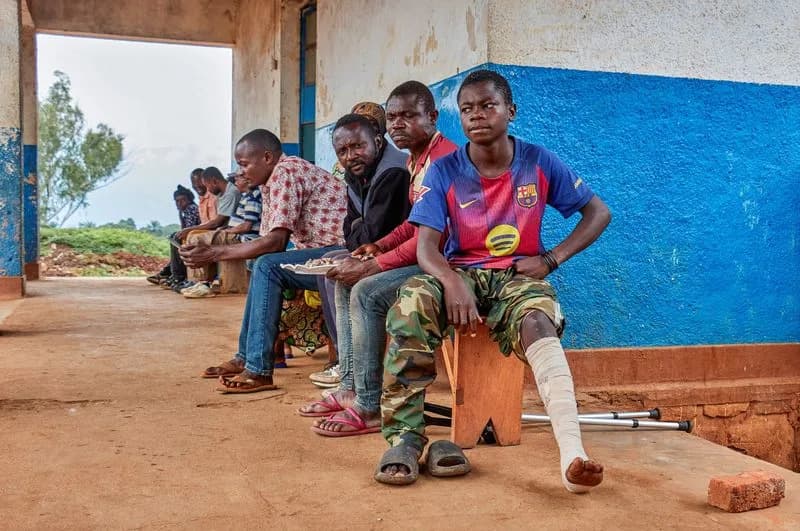
'FARDC soldiers were coming from the front lines and wanted to reach the city of Uvira,' said Faraja Mahano Robert, a civil society leader in Sange. 'Once in Sange, they were ordered not to proceed, but some disagreed. That’s when they started shooting at each other, and then a bomb exploded, killing many people.' Eyewitnesses said roughly 20 people were wounded and dozens displaced by the blast and subsequent street fighting.
Wider Context: Fighting Persists Despite Peace Deal
The explosion came less than a week after a U.S.-brokered peace agreement was signed in Washington by Congolese and Rwandan leaders and hailed by the White House as a major step toward ending the fighting. Residents, civil society representatives and analysts say clashes have continued across South Kivu despite the deal.
More than 100 armed groups compete for influence in mineral-rich eastern Congo, near the Rwandan border, most prominently the M23 rebel movement. The prolonged conflict has produced one of the world’s largest humanitarian crises, with U.N. and local officials estimating more than 7 million people displaced.
Accusations and Regional Tensions
In parliament on Monday, President Felix Tshisekedi accused Rwanda of violating the newly signed peace agreement and of 'organizing the plundering of our natural resources and destabilizing our institutions.' He said heavy-weapons attacks launched from the Rwandan town of Bugarama followed the Washington signing.
Burundi's Foreign Minister Edouard Bizimana accused Kigali of a 'double game,' alleging that Rwanda continues to carry out attacks on civilians using so-called kamikaze drones and warning that Burundi may pursue legal action if such attacks persist. Burundian forces have been fighting alongside the FARDC against M23.
There was no immediate comment from Rwandan authorities or an immediate response from the Congolese army to requests for comment.
Humanitarian Impact and Outlook
The attack underscores the fragility of recent diplomatic efforts and the continued risks faced by civilians in eastern Congo. U.N. experts have said M23 has received backing at times from roughly 4,000 Rwandan troops, and the rebels earlier seized key cities including Goma and Bukavu. Local leaders and humanitarian organizations warn that continued fighting will deepen displacement and suffering across the region.
Associated Press reporting contributed to this article.
Help us improve.