The conference version of the NDAA would authorize a record $901 billion for fiscal 2026 and includes $400 million in military aid to Ukraine. It provides a 4% pay raise for enlisted troops but drops a bipartisan housing construction plan. The bill targets DEI programs, authorizes troop deployments to the southwest border, repeals two Iraq-era use-of-force authorizations, and still requires a separate appropriations bill to fund operations.
Congress Unveils $901 Billion NDAA — Record Defense Authorization, Ukraine Aid, Pay Raise and Contested Policy Changes

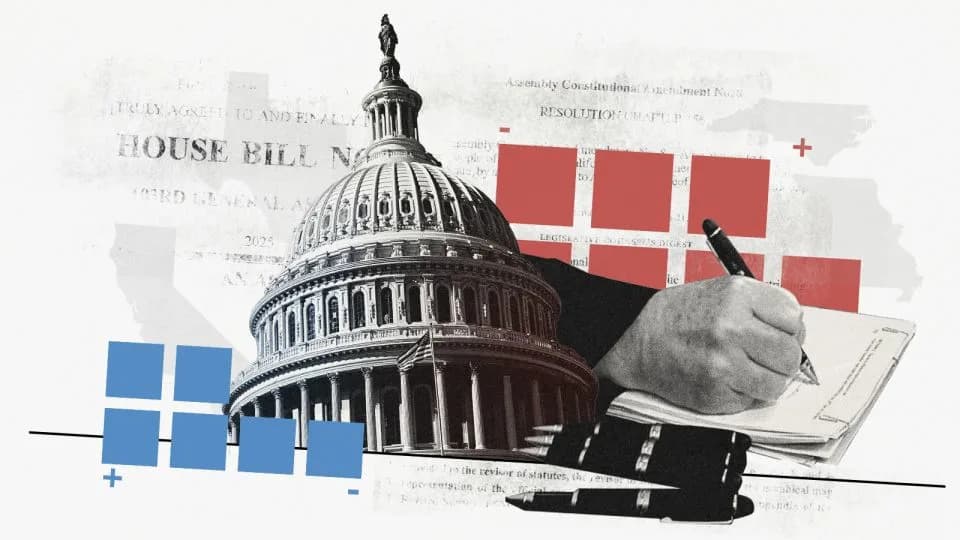
U.S. lawmakers on Sunday released a reconciled version of the annual National Defense Authorization Act (NDAA) that would authorize a record $901 billion in national security spending for fiscal 2026 and includes $400 million in military assistance for Ukraine. The roughly 3,000-page package combines elements from earlier House and Senate bills and advances several high-profile policy changes championed by Republicans.
Key Provisions
The measure would provide a 4% pay increase for enlisted service members but omits a previously discussed bipartisan proposal to accelerate military housing construction. While the NDAA authorizes Pentagon programs and policy, it does not appropriate money; Congress must still pass a separate spending bill to fund operations through September 2026.
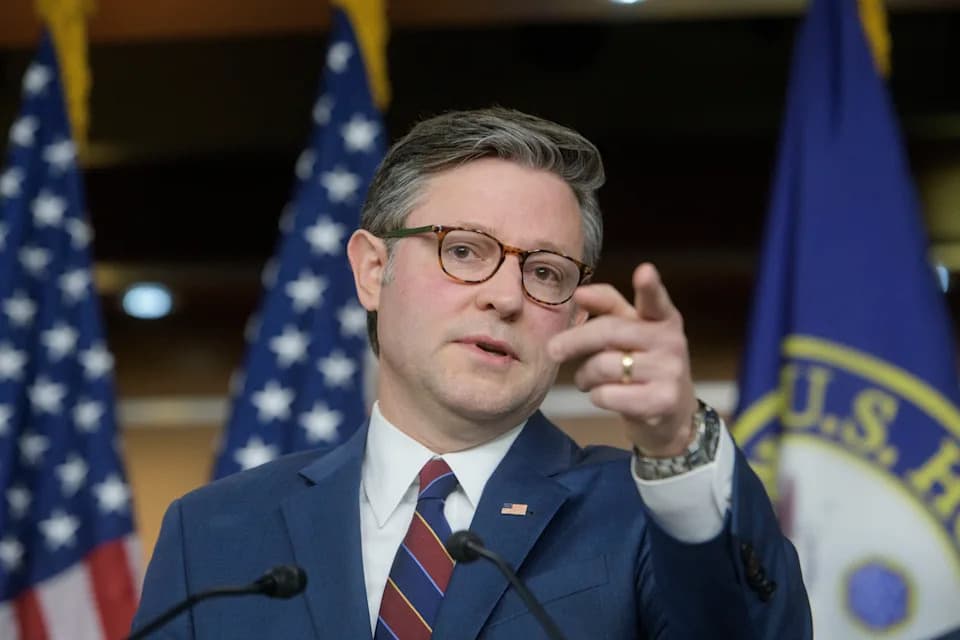
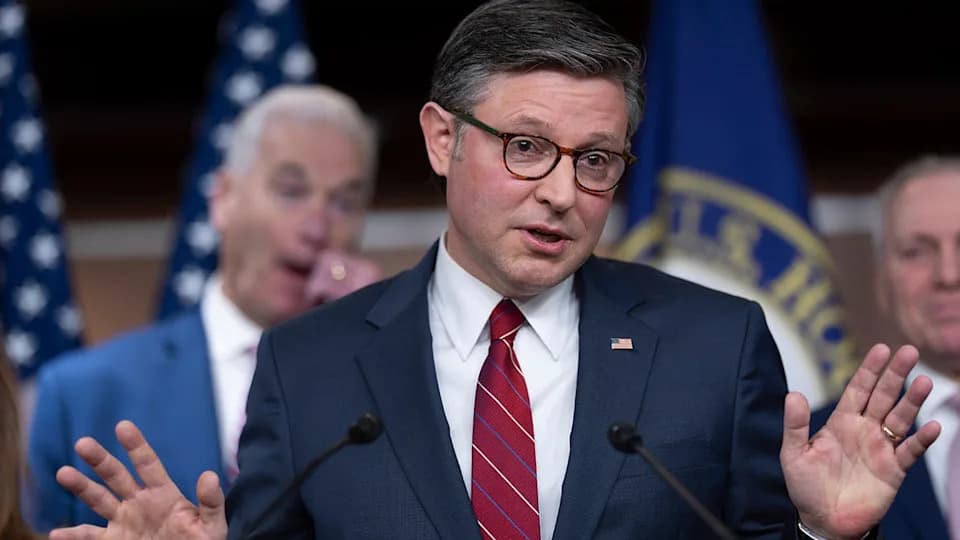
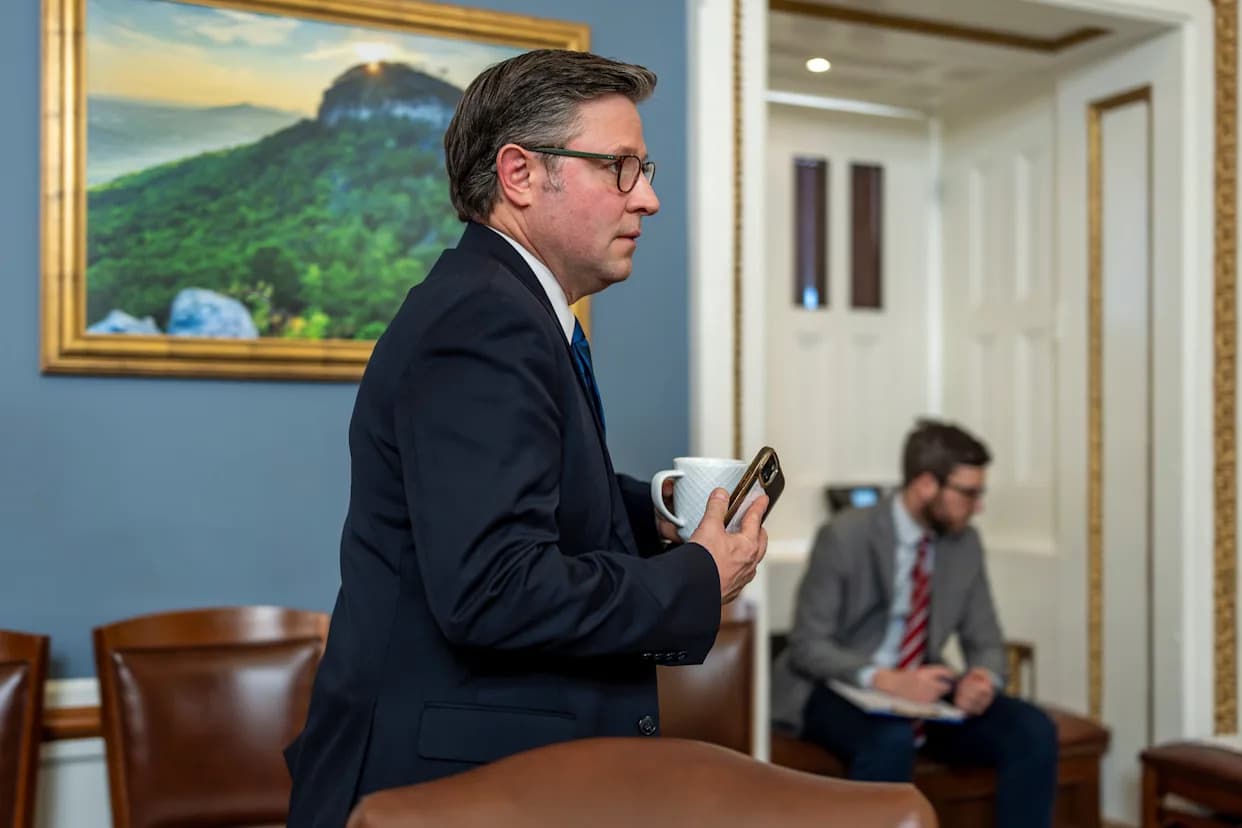
House Speaker Mike Johnson, a Republican from Louisiana, said the bill would advance former President Donald Trump’s priorities by "ending woke ideology at the Pentagon, securing the border, revitalizing the defense industrial base, and restoring the warrior ethos."
The compromise reflects negotiations between a House version that matched Trump’s May request of $892.6 billion and a Senate version that had backed $925 billion. The conference text exceeds the administration’s ask and includes a mix of traditional defense priorities—procurement, readiness and competition with China and Russia—and more politically charged items.
Among the most notable policy changes, the bill curbs or targets diversity, equity and inclusion (DEI) initiatives within the military, authorizes the deployment of troops to the southwest U.S. border to assist in intercepting undocumented migrants and illicit drugs, and repeals two congressional authorizations for the use of force in Iraq, originally passed in 1991 and 2002.
The year’s negotiation process was unusually partisan: some Democrats threatened to delay the bill over concerns about the domestic use of the military until Senate Armed Services Committee Chairman Roger Wicker agreed to hold a hearing on the topic. Other proposals from Democrats—such as restrictions on deploying troops in U.S. cities and blocking conversion of a donated luxury jet into an Air Force One aircraft—were rejected by Republican negotiators earlier in the year.
The NDAA remains one of the few "must-pass" items Congress reliably enacts each year. If enacted, the authorization will set Pentagon policy and spending ceilings, but actual funding depends on follow-up appropriation legislation.
Reporting by Patricia Zengerle and Julia Harte; Editing by Sergio Non and Diane Craft.
Help us improve.