Overview: The Indiana State Senate will consider new congressional maps that could give Republicans all nine U.S. House seats. Senate leader Rodric Bray says there aren’t enough votes to enact the plan despite a 40-10 GOP supermajority. Trump and allied groups have threatened primary challenges to senators who oppose his preferred map, but local reporting found many Republican voters indifferent or supportive of senators who resist outside pressure. The debate has also raised safety concerns after lawmakers reported violent threats and harassment.
Indiana Republicans Stand By State Senators Despite Trump’s Primary Threats

Indiana Republicans Stand By State Senators Despite Trump’s Primary Threats
The Indiana State Senate is set to begin a weeklong debate on new congressional maps that could hand Republicans all nine U.S. House seats in the state — a move with national implications as the GOP defends a narrow House majority next year.
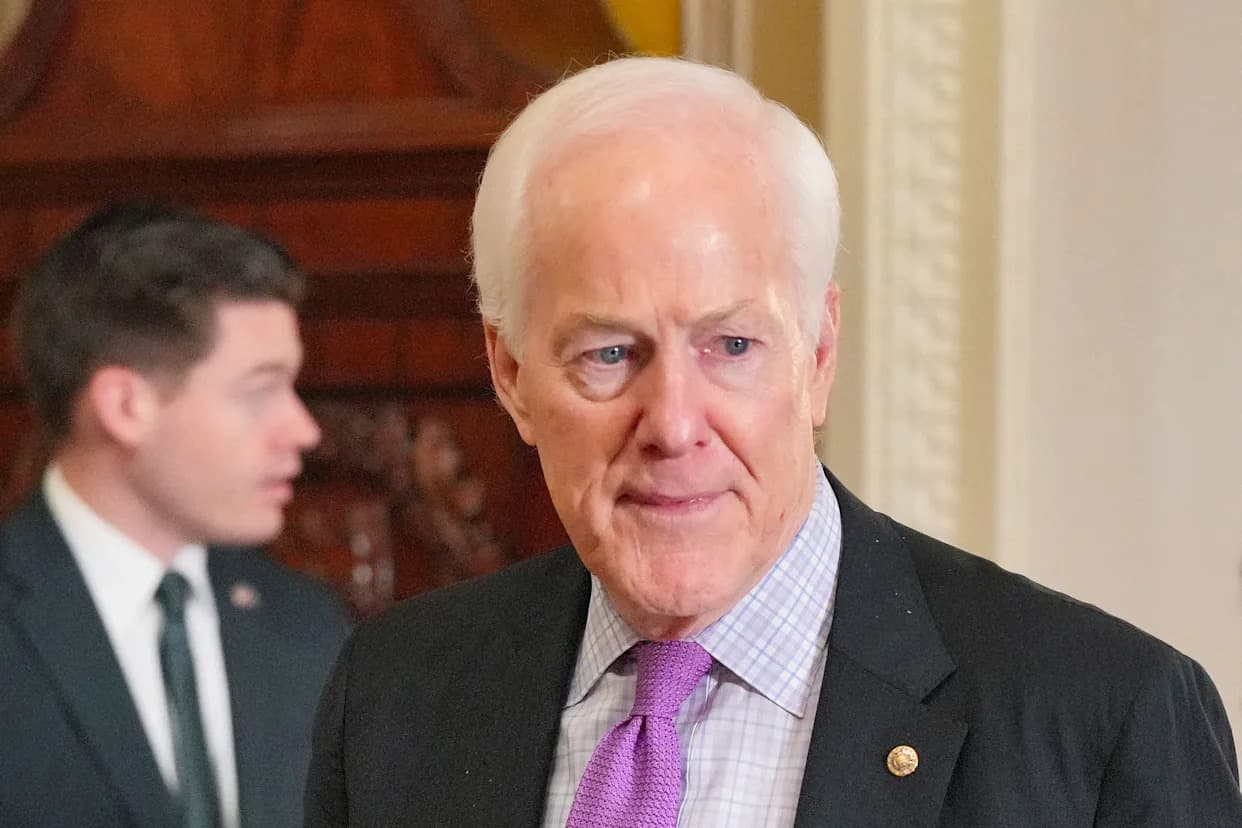
Senate President Pro Tempore Rodric Bray has said repeatedly that, despite a 40-10 Republican supermajority, there are not enough votes to pass new maps. That stance has drawn public pressure from former President Donald Trump and allied conservative groups, which have threatened to back primary challengers to senators who oppose Trump’s preferred plan.
Outside groups active in the campaign include the Club for Growth, Turning Point USA, and a new organization led by veteran Indiana GOP operative Marty Obst along with former Trump campaign staffers. They have run ads and urged constituents to contact legislators; some senators report receiving violent threats and targeted harassment, including swatting attempts and bomb threats.
But reporting across multiple districts found limited grassroots appetite for an aggressive push to redraw maps. In towns from Martinsville to Greensburg, many Republican voters — including long-time Trump supporters — expressed indifference or support for their local senators' independence from outside pressure.
“I am not against Trump. But there’s no need to redo the maps right now,” said John Badger XIV, a Republican city council member and candy-shop owner in Bray’s hometown of Martinsville. “I won’t be mad about it if they do it, but I don’t think it’s right. I just think it should stay where it is and let it go.”
A Turning Point USA rally at the Statehouse that featured Gov. Mike Braun drew roughly 100 attendees, far fewer than rallies that have opposed proposed maps. CNN interviewed about 50 voters across the districts of four Republican state senators: Jean Leising and Greg Walker (both opposed to new maps), Sen. Cyndi Carrasco (widely expected to back the maps but publicly undecided), and leaders including Bray, who has been personally targeted by threats of a 2028 primary challenge.
Local small-business owners and voters told reporters they are tired of the map fight and worried about rising political temperature and intimidation. Several residents asked to remain anonymous to avoid harassment.
Critics of the pressure campaign say the response from ordinary Republican voters suggests a desire for elected officials to exercise judgment rather than simply follow national figures. Supporters of the presidents' position warn that opposing senators could face primary challenges later, but many voters said redistricting would not be their top issue in a state Senate primary.
The Indiana House already passed a redistricting plan on a 57-41 vote. With the state Senate scheduled to vote next week, the outcome will be closely watched for its local impact and its signal of how much influence national leaders will exert over state-level Republicans heading into the 2026 midterm cycle.
Key players: Senate President Rodric Bray; Gov. Mike Braun; Senators Jean Leising, Greg Walker, Cyndi Carrasco, Kyle Walker; outside groups including Club for Growth and Turning Point USA.
Help us improve.