Key takeaway: Experts warn U.S. strikes in Venezuela could trigger large refugee flows. A recent Niskanen Center model projects 1.7–3 million additional refugees if limited strikes spark a short internal conflict, and over 4 million if fighting becomes protracted. Targeted operations focused on cartel infrastructure might keep new flows minimal (20,000), but prolonged combat would likely create a major humanitarian crisis affecting Colombia, Brazil and other neighbors.
Experts Warn U.S. Strikes Could Drive Millions More Venezuelan Refugees — Despite Trump Blaming Maduro

U.S. Military Action Could Spark Large-Scale Displacement in Venezuela
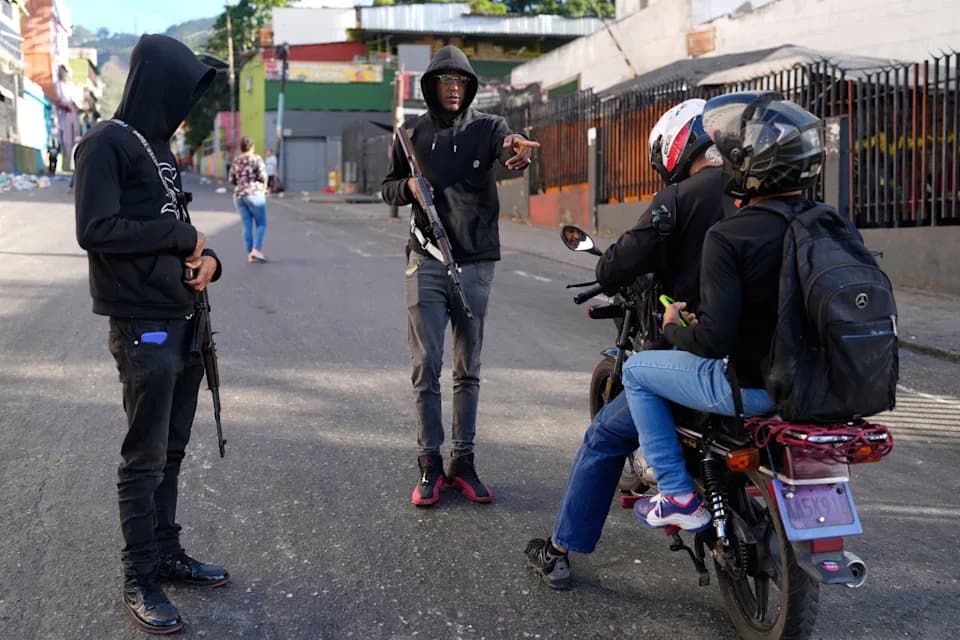
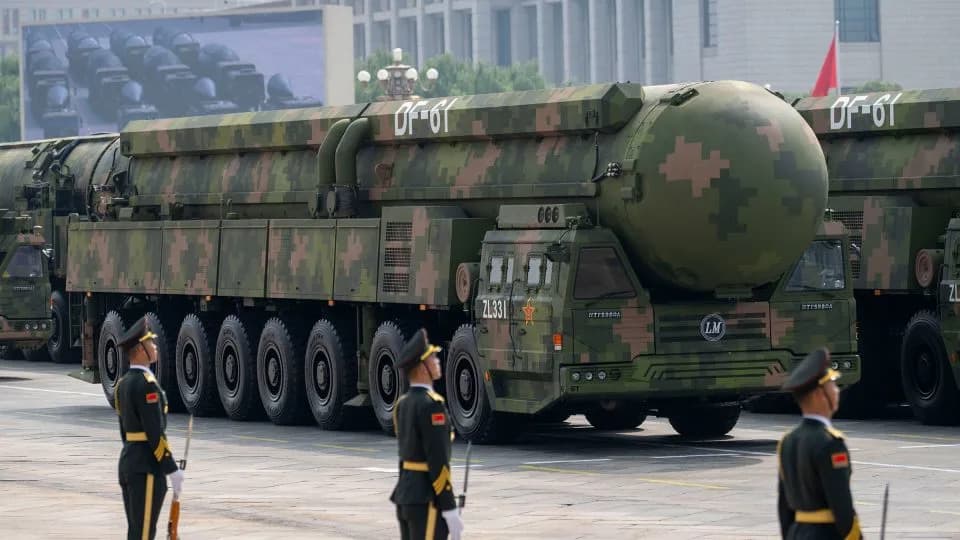
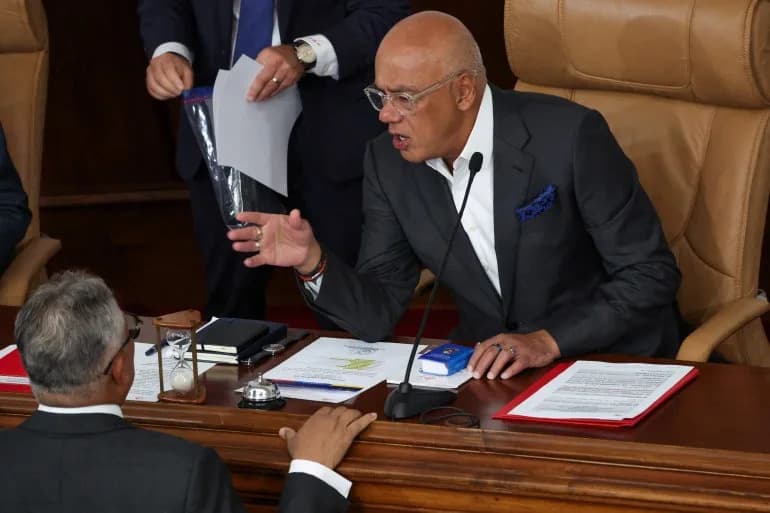
President Donald Trump has repeatedly blamed Venezuelan leader Nicolás Maduro for rising drug trafficking and migration, saying the U.S. must "take care of Venezuela." The administration has stepped up maritime strikes on vessels it says are linked to drug shipments and has warned that strikes against land-based drug networks inside Venezuela could come "very soon."
Modeling Shows Risk Of Mass Refugee Flows
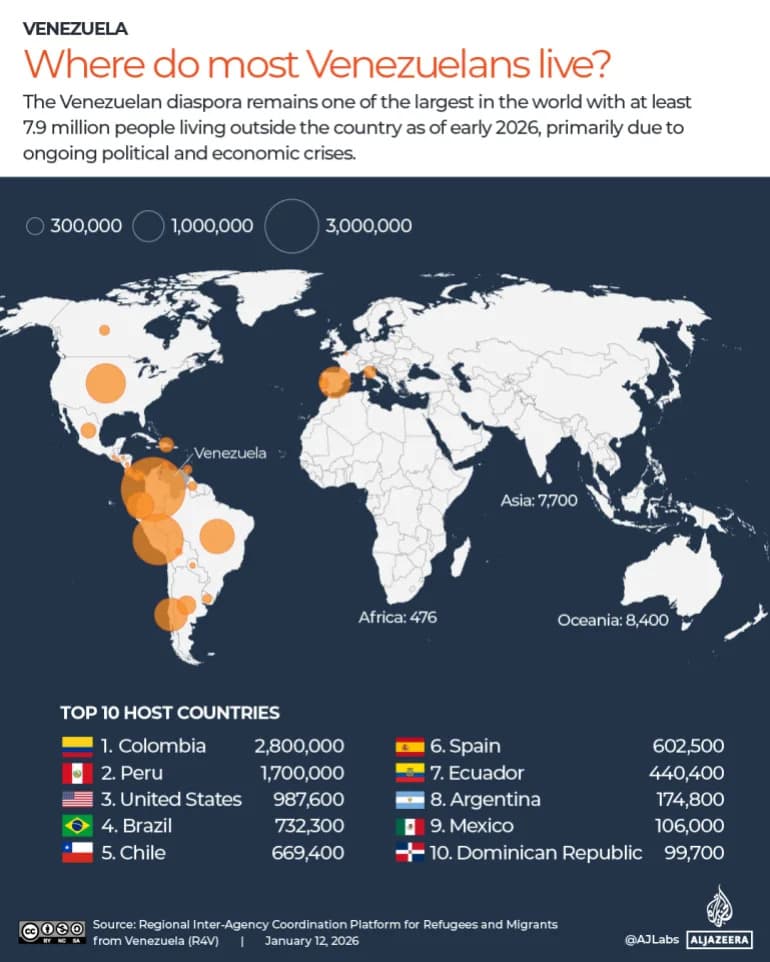
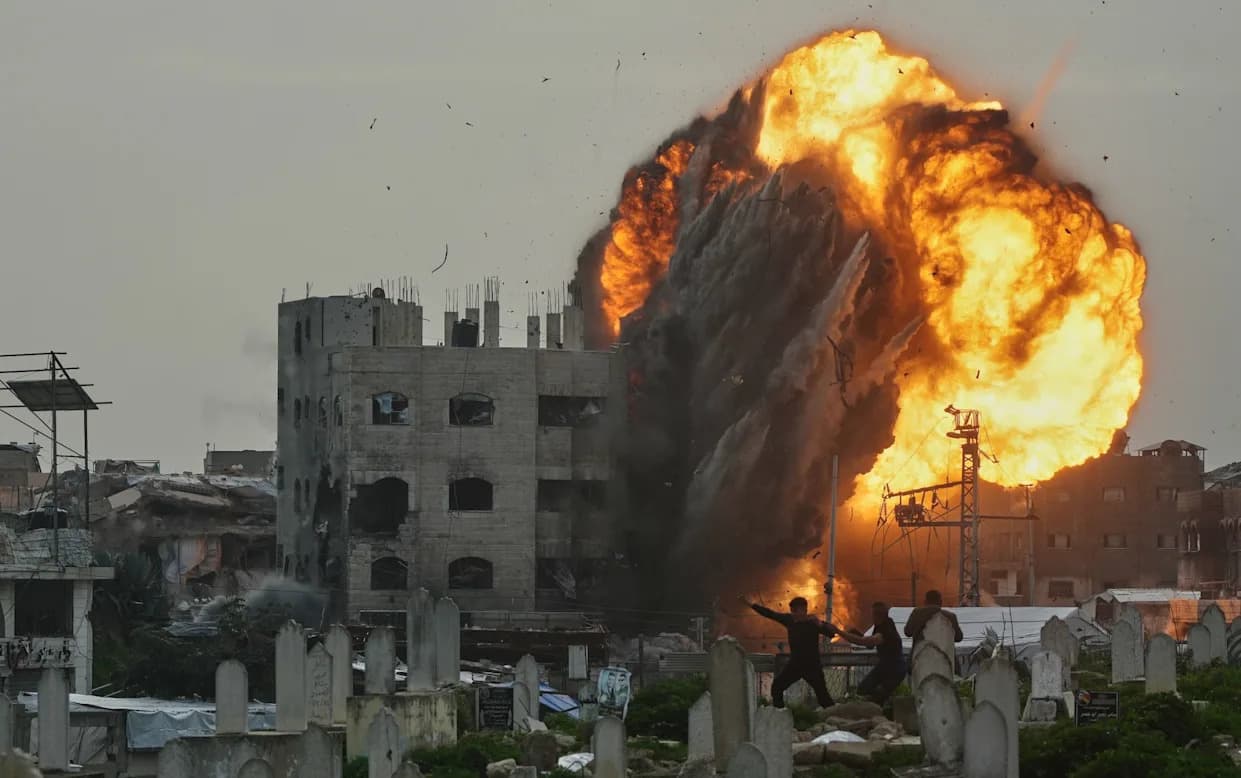
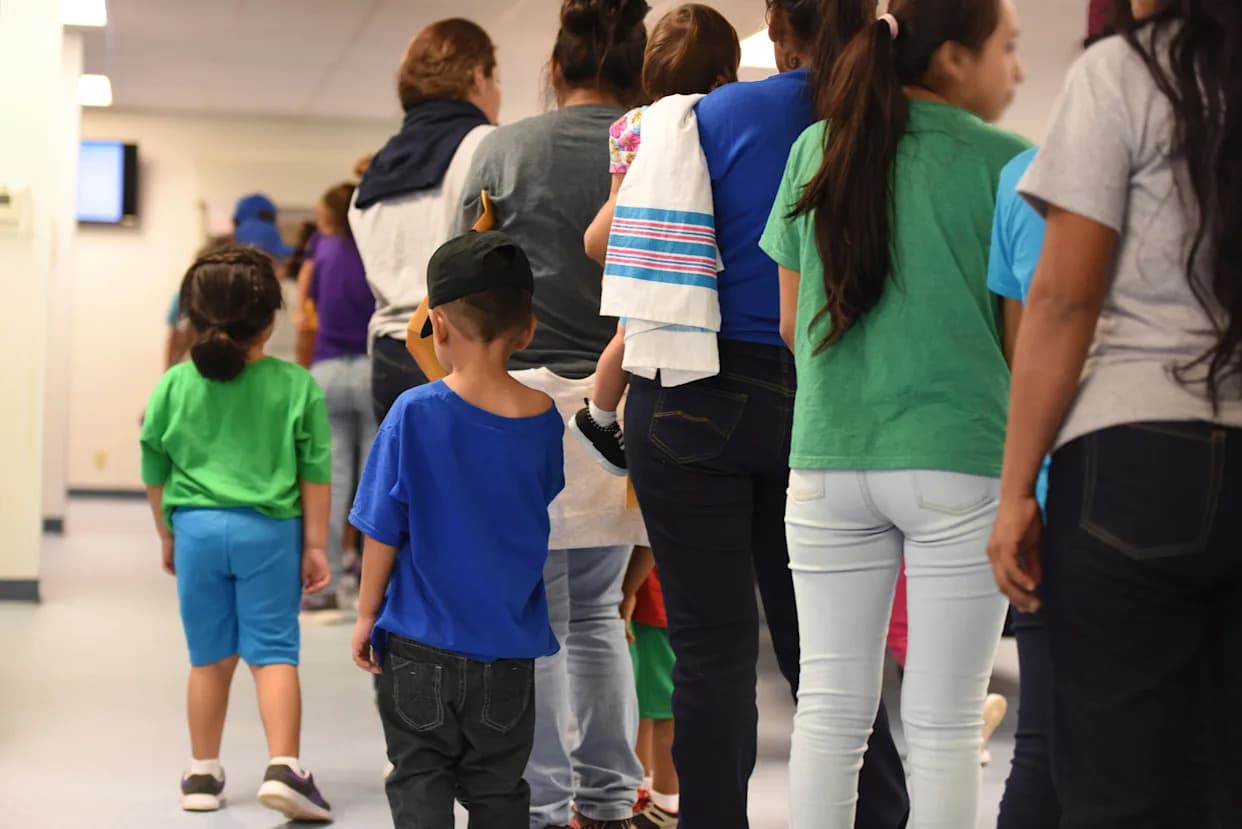
A recent Niskanen Center study modeled refugee flows under several U.S. military scenarios. The study found that if strikes triggered a brief internal conflict, between 1.7 million and 3 million additional people could flee Venezuela within a few years. If strikes escalated into a protracted internal war, displacement could exceed 4 million, a scale likely to overwhelm neighboring countries such as Colombia and Brazil.
"Any kind of military strike would cause panic and disrupt supply chains, and it would be very easy for rumors to spread and push people to flee — especially in a country where nearly everyone already has a family member abroad," said Gil Guerra, an immigration policy analyst at the Niskanen Center and a co-author of the study.
By contrast, the study found a narrower scenario in which limited, carefully targeted strikes against drug-trafficking infrastructure that are not aimed at removing the Maduro government could limit additional refugee flows to fewer than 20,000.
Worse Outcomes Depend On Prolonged Fighting
Experts emphasize that the scale of displacement depends heavily on the duration and breadth of fighting. "You only see a major refugee crisis in the scenario of a prolonged armed confrontation," said Francisco Rodríguez, a senior research fellow at the Center for Economic and Policy Research (CEPR). He warned parts of Venezuela’s security forces could resist or even join guerrilla and criminal groups, raising the risk of sustained conflict.
Most analysts expect the bulk of any new refugees would go to neighboring countries rather than the United States — though previous waves did send thousands to the U.S. Census data show the number of Venezuelan-born residents in the U.S. rose by roughly 140,000 between 2017 and 2021.
What Drove The 2017 Exodus?
The mass departures that accelerated in 2017 were driven primarily by deep economic collapse and political breakdown. Contributing factors included a global drop in oil prices, years of mismanagement and corruption at PDVSA (Venezuela’s state oil company), and hyperinflation that wiped out wages and the country’s ability to import food and medicine.
Washington’s sanctions against Venezuelan entities tied to PDVSA began in 2008 and were significantly expanded in 2017 and again in 2019. Research cited by CEPR and other studies indicate that targeted sanctions — particularly the 2019 oil-sector measures — sharply reduced Venezuela’s access to foreign revenue and accelerated the economy’s contraction. Rodríguez and colleagues estimated a roughly 71% economic contraction tied to these combined shocks.
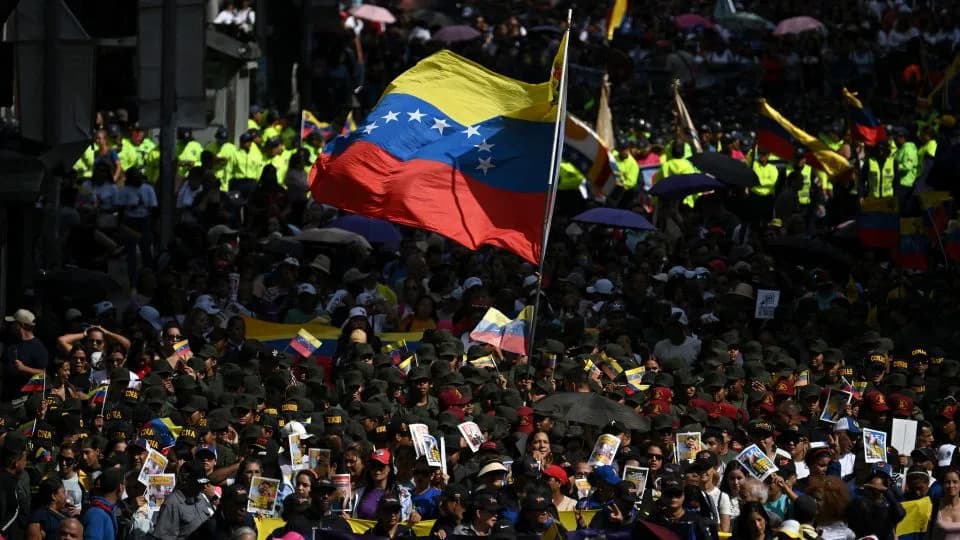
Political rupture deepened the crisis: in 2017 the Maduro government sidelined the opposition-led National Assembly, prompting mass protests and a heavy-handed crackdown by security forces. The political and economic collapse together set the stage for millions to leave.
Voices From The Exodus
One migrant, who asked to be identified only as Henrique out of fear of reprisals, left Venezuela in August 2017 and now lives in the United States. He said political repression and economic collapse made staying impossible.
"In 2017 we were already living in a dictatorship," Henrique said. "The economy had been in ruins since 2014 — hyperinflation, no jobs, no decent salaries — and this was all before the sanctions."
He added many young people felt they had no choice but to emigrate: "If you’re 17 or 18 and you see the economy destroyed and the regime destroying democratic institutions, you really don’t have any option but to look abroad."
Current Stakes And Diplomatic Uncertainty
Since Trump’s return to the presidency, U.S. rhetoric toward Venezuela has sharpened and the region has seen increased U.S. military presence — the administration has moved more than 15,000 troops and a carrier strike group to the region. Trump and Maduro briefly spoke by phone last month, but no clear diplomatic off-ramp has emerged.
Former U.S. Ambassador to Venezuela James Story and other observers argue that narrowly targeted strikes focused on cartel infrastructure would likely produce only limited humanitarian fallout. "If the U.S. took kinetic action, it would pale in comparison to the millions who’ve already fled," Story said. He added that a large humanitarian crisis would be most likely only if there were widespread, sustained military combat.
Bottom Line
Models show that U.S. strikes in Venezuela carry a real risk of igniting mass displacement if they provoke sustained internal fighting. Targeted operations could minimize new refugee flows, but the prospect of prolonged conflict raises the possibility of millions more people fleeing — primarily to neighboring countries already strained by earlier waves of migration.
Help us improve.