Quick summary: President Trump announced a rollback of Biden-era CAFE fuel-efficiency standards, lowering the 2031 passenger-car target from about 50 mpg to roughly 34 mpg, according to NHTSA. The administration argues the change will reduce vehicle prices and protect U.S. jobs by easing regulatory burdens on automakers. Environmental groups say the rollback will increase fuel use, raise costs for families at the pump, and slow U.S. progress in clean-technology development. The move follows other actions to relax emissions rules and end certain electric-vehicle incentives.
Trump Announces Rollback of Biden-Era CAFE Rules, Cuts 2031 Fuel-Efficiency Target to ~34 MPG

President Donald Trump announced on Wednesday that his administration will roll back Biden-era Corporate Average Fuel Economy (CAFE) standards, substantially weakening fuel-efficiency requirements that apply to tens of millions of new gasoline-powered cars and light trucks.
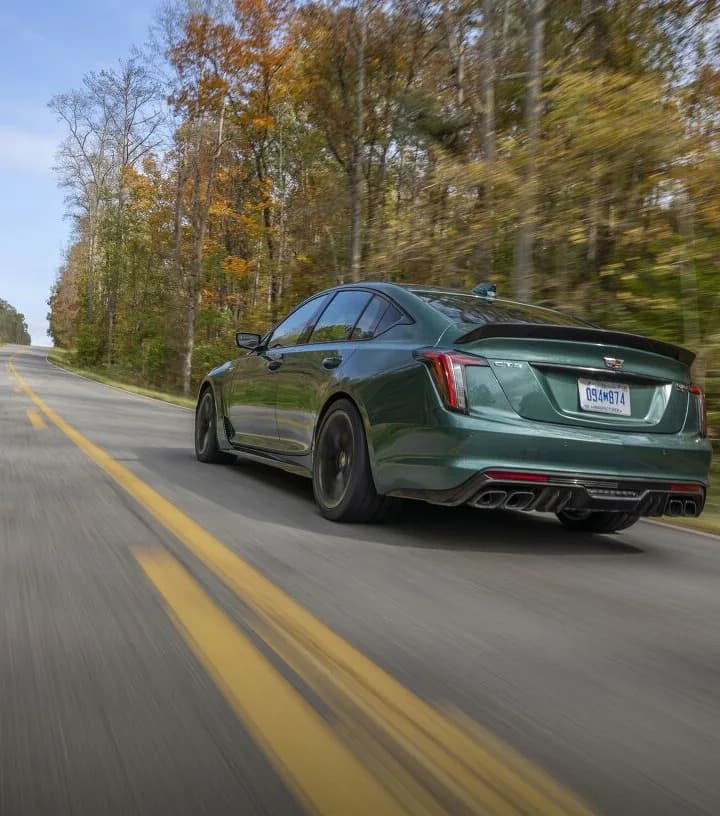
Under the proposal issued by the National Highway Traffic Safety Administration (NHTSA), the 2031 passenger-car fuel-efficiency target would be set at roughly 34 miles per gallon, down from the roughly 50 mpg target advanced under the prior administration. The White House says the change will reduce vehicle prices and ease costs for automakers, protecting U.S. jobs.
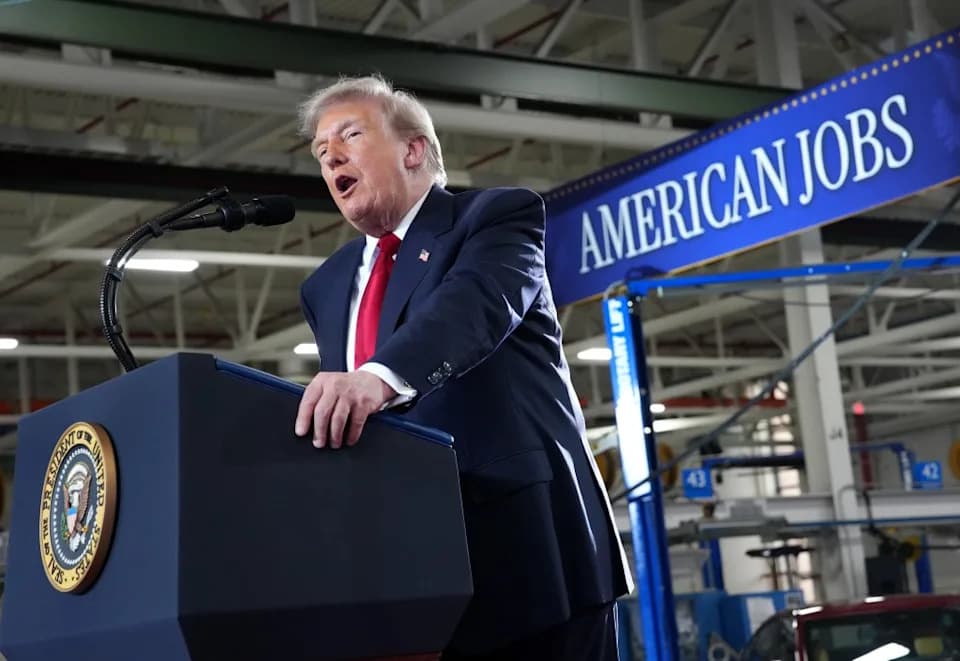
“We are officially terminating Joe Biden’s ridiculously burdensome... CAFE standards that imposed expensive restrictions,” President Trump said during an Oval Office announcement, flanked by senior auto executives. Transportation Secretary Sean Duffy added, “These rules are going to allow the automakers to make vehicles that Americans want to purchase... This is important for American jobs.”
CAFE standards, first established in 1975, set average fuel-economy targets for new vehicles and have been tightened over time to reduce gasoline use and greenhouse gas emissions. The rollback reverses policies that pushed automakers toward higher efficiency and incentivized cleaner vehicles, including higher mileage targets and consumer tax credits for electric vehicles.
Environmental groups and climate advocates sharply criticized the move. Katherine García, director of the Sierra Club’s Clean Transportation for All program, warned that weakening CAFE would “make cars burn more gas and American families burn more cash.” Dan Becker of the Center for Biological Diversity said current standards had helped automakers deliver more fuel-efficient models and that the rollback risks increasing oil consumption and undermining U.S. progress in green technology.
The administration has also taken related steps to relax tailpipe emissions rules, rescind penalties for automakers that miss stricter mileage targets, and end certain electric-vehicle tax incentives. The policy shift sets up a broader debate over consumer costs, public health and climate impacts, and the future competitiveness of the U.S. auto industry.
Help us improve.