Six state-run hospitals in New Delhi treated over 200,000 cases of acute respiratory illness from 2022–2024, with more than 30,000 patients hospitalised. Officials told parliament that rising pollution correlates with increased emergency visits, although the health ministry noted other factors also contribute. PM2.5 levels in Delhi can surge to roughly 60 times UN daily limits, and a Lancet study links air pollution to millions of deaths in India. Children are especially vulnerable to polluted air, according to UN agencies.
Delhi Hospitals Treat Over 200,000 Acute Respiratory Cases as Winter Smog Worsens

Government data show that six state-run hospitals in New Delhi recorded more than 200,000 cases of acute respiratory illness between 2022 and 2024, underscoring the health toll of the city's persistent air pollution.
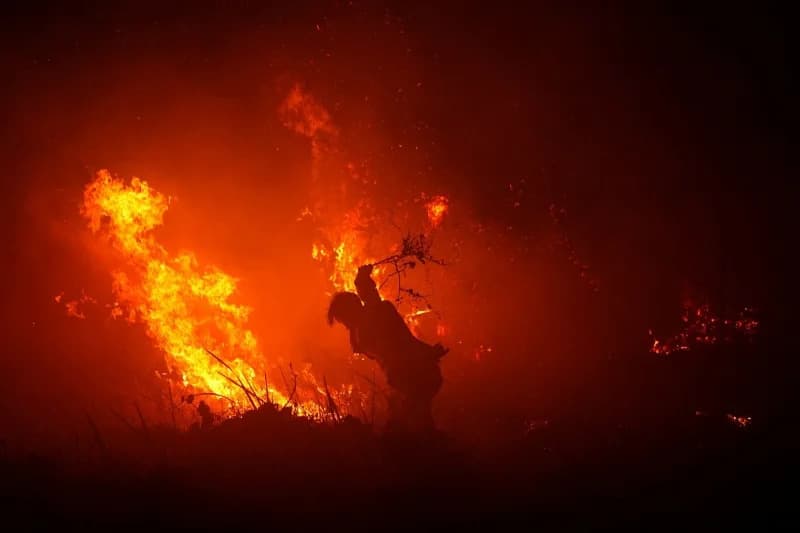
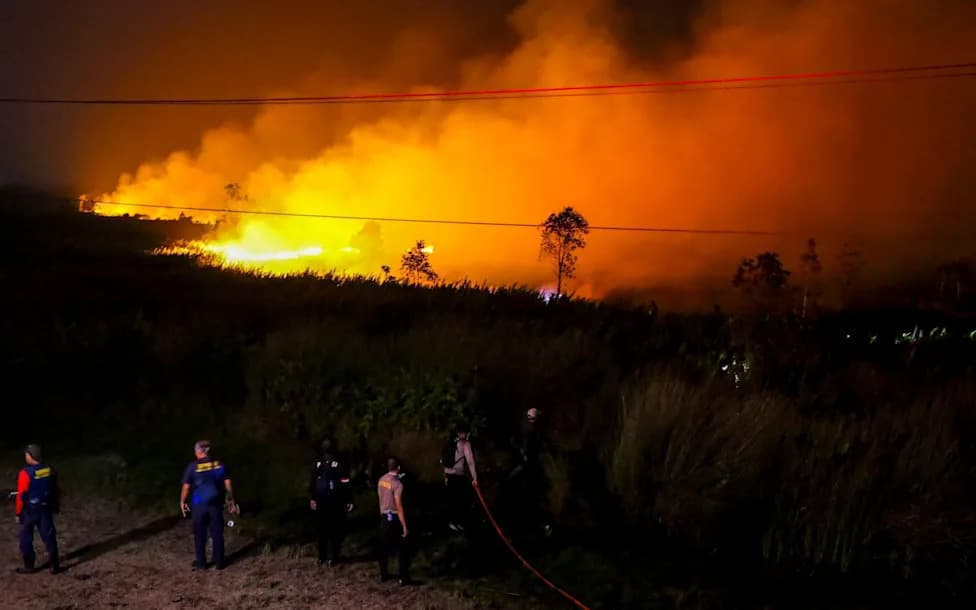
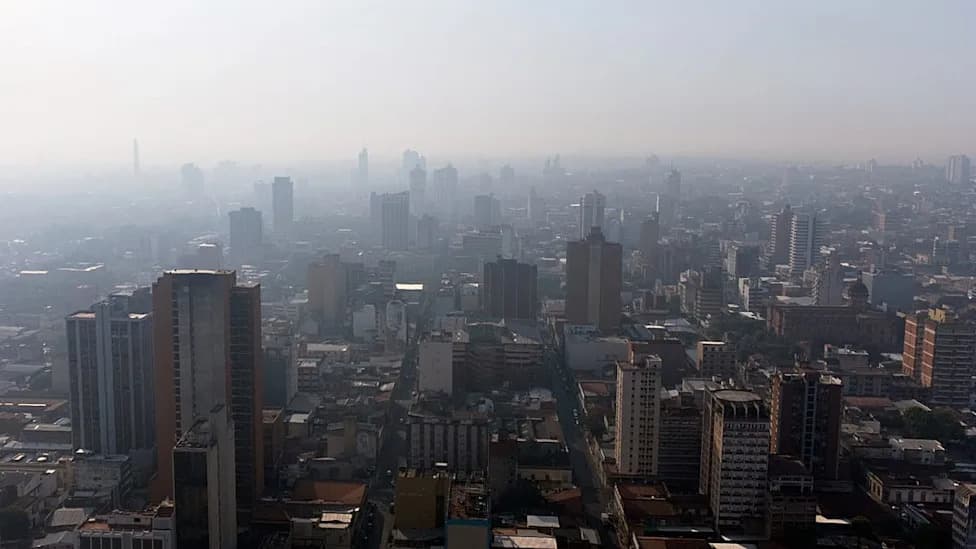
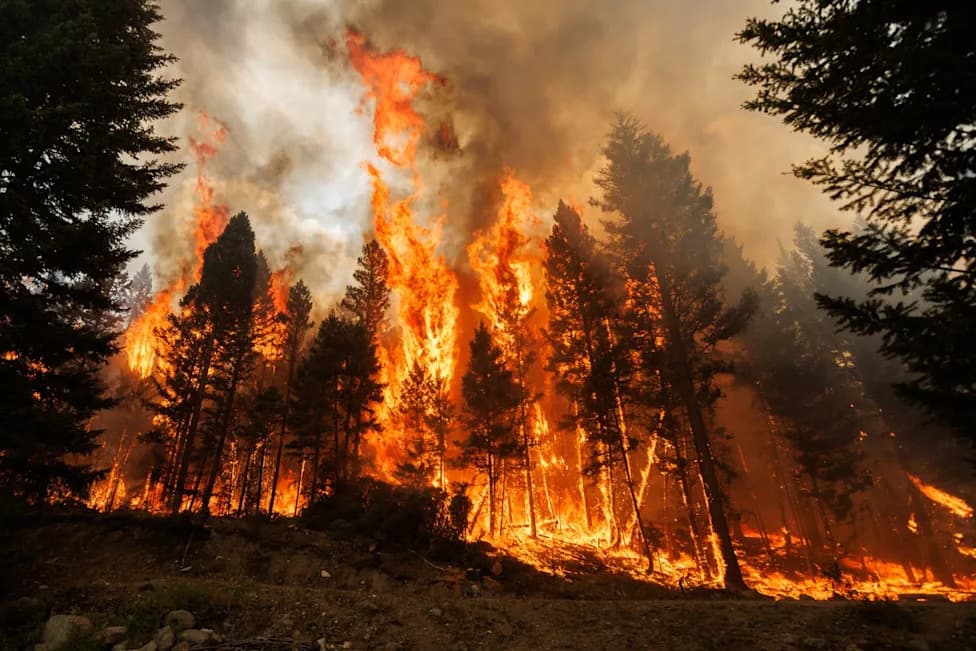
Delhi's wider metropolitan area, home to roughly 30 million people, is regularly ranked among the world's most polluted capitals. Each winter, acrid smog often blankets the city as cooler air traps emissions close to the ground, producing a hazardous mix from crop burning, factories and heavy traffic.
In a written reply to parliament, the health ministry said air pollution was one of the factors linked to a rise in respiratory ailments. Junior health minister Prataprao Jadhav noted that:
"Analysis suggests that increase in pollution levels was associated with increase in number of patients attending emergency rooms."
More than 30,000 people with respiratory illnesses required hospitalisation during the three-year period. The ministry also cautioned that air pollution is not the sole cause of these illnesses, saying the health effects are a "synergistic manifestation" influenced by diet, occupation, socio-economic status, medical history, immunity and heredity.
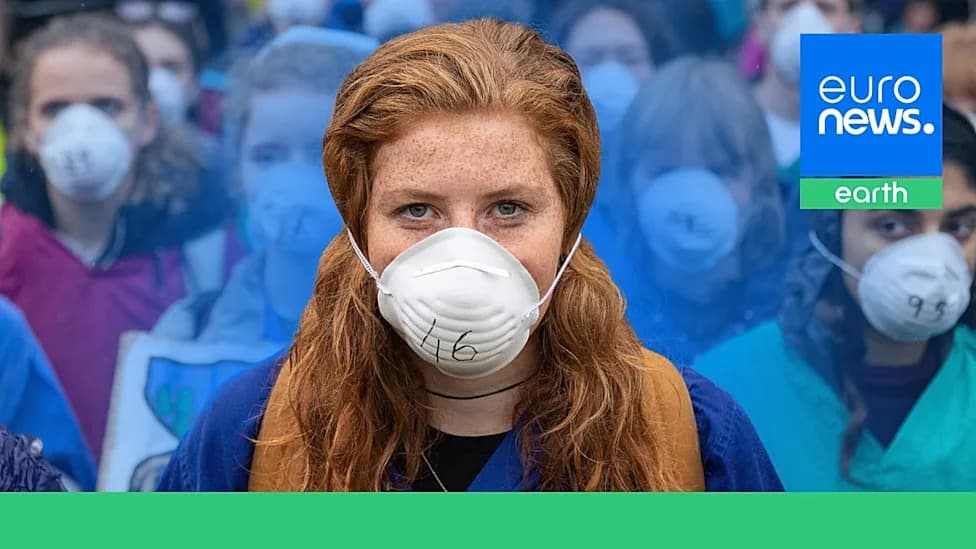
Fine particulate matter (PM2.5) — microscopic particles small enough to enter the bloodstream and linked to an elevated risk of respiratory and cardiovascular disease and some cancers — can spike to roughly 60 times the United Nations' recommended daily limits in Delhi's worst episodes.
A 2024 study in The Lancet Planetary Health estimated that 3.8 million deaths in India between 2009 and 2019 were associated with air pollution. The United Nations children's agency also warns that polluted air places children at heightened risk of acute respiratory infections.
Officials and public-health experts say addressing the toll of polluted air will require coordinated measures across sectors — from reducing emissions and improving vehicle and industrial standards to tackling seasonal crop-burning and expanding healthcare preparedness during peak pollution months.
Help us improve.