Italian prosecutors have launched multiple investigations into exploitative labour practices within luxury fashion supply chains, placing five brands under court administration since 2024. Tod's faces allegations that executives ignored audits documenting low wages (as little as €2.75/hr), excessive hours and poor living conditions at subcontractor facilities. Critics argue that multilayered subcontracting and razor-thin margins create a "chain of exploitation," while the government has proposed a voluntary compliance certificate that opponents say may be insufficient. Brands and industry groups are responding with a mix of supplier terminations, public reassurances and calls for stronger oversight.
Sweatshop Probes Shake Italy’s Luxury Fashion Sector

A series of criminal investigations into exploitative working conditions at subcontractors has unsettled Italy’s luxury fashion industry and put the international reputation of "Made in Italy" under fresh scrutiny.
Since 2024, five fashion houses have been placed under court administration after Milan prosecutors uncovered worker abuses and inadequate oversight in parts of their supply chains. The inquiries, led by prosecutor Paolo Storari, have focused attention on long-standing industry practices of multilayered subcontracting and thin commercial margins that can mask labour violations.
Latest developments
Most recently, lawyers for Tod's — the upscale leather goods maker — appeared in a Milan court as prosecutors sought a temporary advertising ban and the appointment of external administrators, alleging what they described as "malicious" conduct by the company and some of its executives.
Prosecutors say Tod's and three executives were aware of exploitation by Chinese subcontractors yet failed to establish effective systems to prevent abuses. Investigators point to ignored audit findings that documented excessive working hours, wage violations (workers paid as little as €2.75 per hour), breaches of safety rules and reportedly degrading dormitory conditions at a factory.
Systemic issues: a 'chain of exploitation'
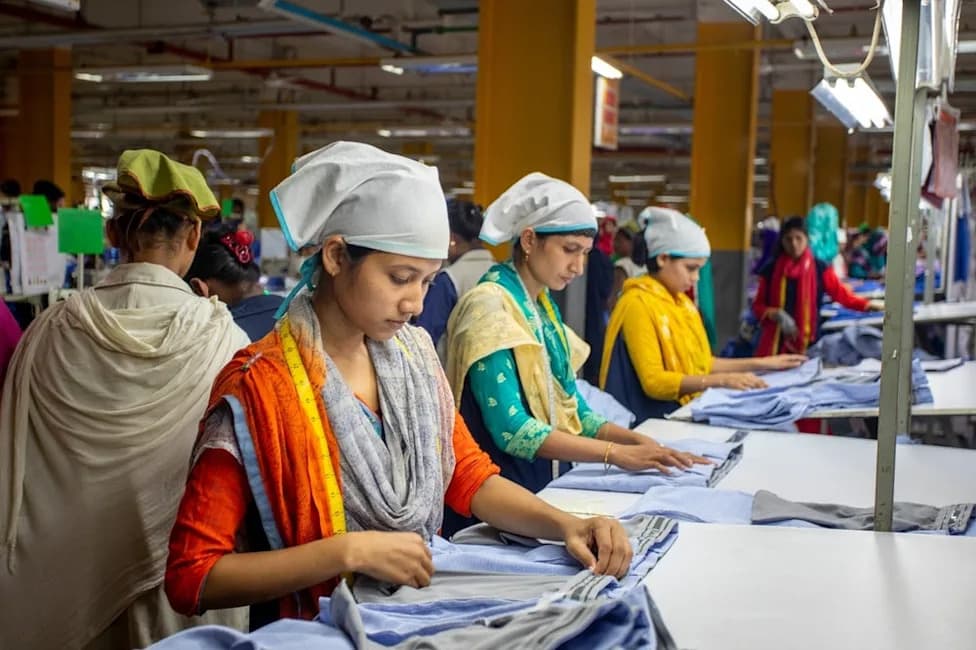
The cases highlight how common practices in the sector can contribute to labour abuses. Brands often outsource production to suppliers, which in turn subcontract parts of the work to other workshops to meet tight deadlines and keep costs down. That multilayered system, paired with razor-thin margins, limits suppliers’ ability to invest in compliant facilities and oversight.
"Suppliers are at the mercy of big brands that impose commercial conditions, starting with prices that are too low to cover all costs," said Deborah Lucchetti, national coordinator of the Clean Clothes Campaign in Italy. "It's a chain of exploitation."
Industry groups note that Italy's fashion supply base is dominated by small and medium-sized businesses, many of which have closed in recent years amid higher production costs and declining demand. When larger orders arrive, first-tier suppliers may subcontract to informal workshops to cope, increasing the risk of illegal practices that can disproportionately affect migrant workers.
Legal exposure and company responses
Under Italian law, companies can be held responsible for offences committed by agents acting in their interest, including approved suppliers. Prosecutors have argued that some brands could not plausibly have been unaware of extensive outsourcing—for example, when a supplier's premises lack basic production equipment such as sewing machines.
Brands named in investigations so far include Loro Piana, Manufactures Dior (the Italian arm of Dior), Giorgio Armani Operations, Alviero Martini and Tod's. Responses have varied: some firms have cut ties with implicated suppliers, others have condemned the behaviour and some have argued that suppliers concealed wrongdoing.
Government and industry reactions
Industry Minister Adolfo Urso has defended the reputation of Italian fashion and proposed a voluntary certification regime for luxury companies to attest compliance with the law. Critics say a voluntary certificate risks being too weak and could inadvertently shield brands from accountability.
Amid reputational concerns, some groups are taking a more transparent approach. Prada invited journalists to its Scandicci factory near Florence to showcase its manufacturing processes. Lorenzo Bertelli, Prada's chief marketing officer and head of social responsibility, said production is not an afterthought for the company and described supplier oversight as "the daily work we do." The group says it owns 25 factories, 23 located in Italy.
The investigations have prompted wider debate about how to balance brand accountability, supplier viability and worker protections. Many observers say meaningful change will require stronger contract terms from brands, better auditing and enforcement, and policies that address the economic pressures that drive subcontracting practices.
Help us improve.