U.S. House committees held a rare joint briefing as part of a congressional probe into escalating attacks on Christians in Nigeria. Witnesses challenged the Nigerian government’s claim that the violence is not religiously motivated and called it a myth. Experts urged targeted sanctions, tighter oversight of aid, a GAO review, and pressure on Nigerian authorities to confront corruption and retake seized villages. Lawmakers signaled further oversight as they prepare a Trump-directed report for Washington.
Experts Challenge Nigeria’s Denials as U.S. Probe Intensifies Over Rising Attacks on Christians

House appropriators and senior foreign-affairs lawmakers convened a rare joint briefing as part of a congressional probe into what witnesses and analysts described as escalating, apparently targeted violence against Christians in Nigeria. The session, led by Rep. Mario Díaz‑Balart (R‑Fla.), will feed into a report ordered by former President Donald Trump and considered by U.S. policymakers.
Major testimony and contested narratives
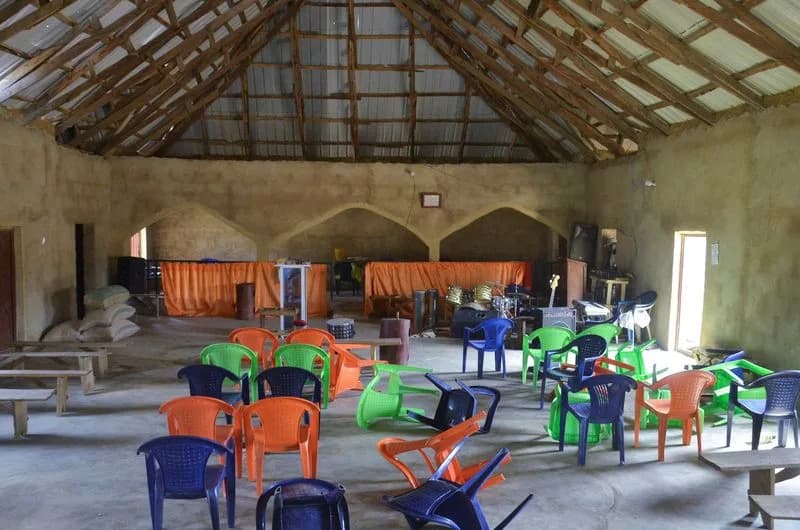
Religious freedom under siege. Vicky Hartzler, chair of the U.S. Commission on International Religious Freedom, told lawmakers that "religious freedom [is] under siege," citing the abduction of more than 300 children, attacks in which villages have been razed and churches burned, and other widespread violent violations she says disproportionately affect Christians. Hartzler said Christians are targeted at "a 2.2 to 1 rate" compared with Muslims.
Dr. Ebenezer Obadare of the Council on Foreign Relations directly challenged the Nigerian government's claim that the violence is not religiously motivated. He called the idea that Boko Haram and other militant groups attack Christians and Muslims equally a "myth," arguing religion is the principal driver and that geographic distribution of populations explains differing casualty totals. Obadare described Boko Haram as hostile to democratic governance and said the Nigerian military remains unable to dismantle jihadist networks without stronger external pressure.
Sean Nelson of Alliance Defending Freedom International characterized Nigeria as "the deadliest country in the world for Christians," arguing that Christian fatalities there exceed those in many other countries combined when adjusted for population. He added that extremists also attack Muslims who refuse to embrace their ideology, undermining Abuja's narrative that the crisis is mainly criminal or local in origin.
Policy recommendations
Witnesses urged a range of responses from the United States and international partners: targeted sanctions and visa bans for officials who are complicit; blocking U.S.-based assets tied to abuses; conditioning foreign and humanitarian aid on measurable accountability; and directing the Government Accountability Office to review past U.S. assistance. They also called for pressure on Abuja to retake villages seized from farming communities so displaced families can return and to confront corruption within security forces.
Hartzler noted some recent steps by Nigerian authorities — most notably President Bola Tinubu's decision to reassign roughly 100,000 police officers away from VIP protection duties and redeploy them nationwide — calling it "a promising start after years of neglect." Still, she warned these actions fall short without clear intent to "quell injustice," faster responses to early warnings of attacks, and meaningful transparency and accountability.
Rep. Díaz‑Balart criticized the Biden administration's reversal of a 2021 designation that had labeled Nigeria a "country of particular concern," saying the change has had "clearly deadly consequences." Lawmakers on the Appropriations, Foreign Affairs and Financial Services committees signaled plans for further oversight as they prepare the Trump-directed report to Congress.
The Nigerian Embassy did not immediately respond to requests for comment.
Help us improve.