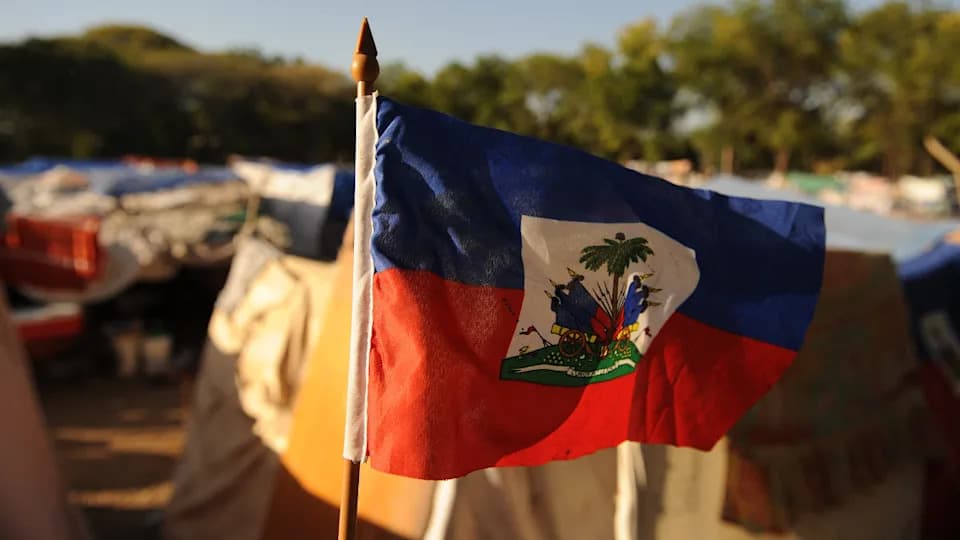
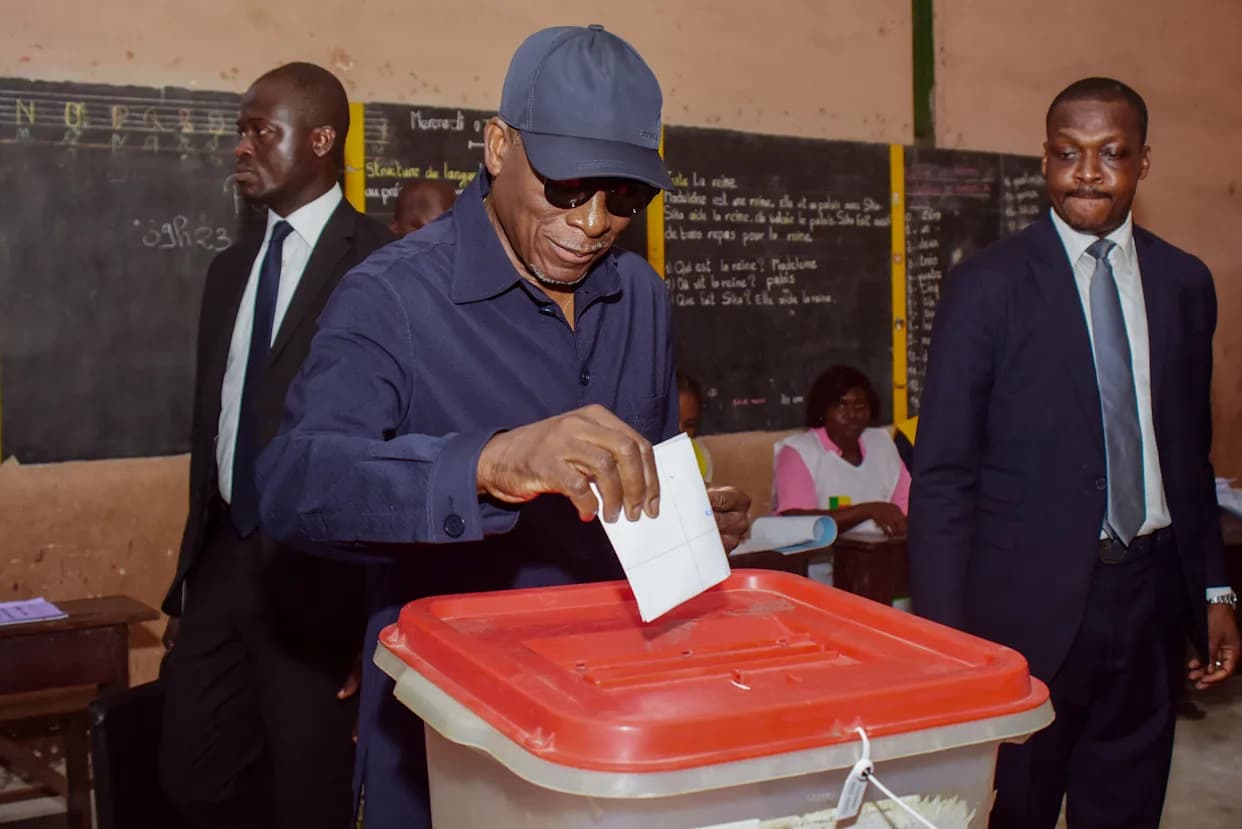
The transitional presidential council approved a new electoral law, enabling publication of an official calendar for Haiti’s first general election since 2016. Council President Laurent Saint-Cyr called the vote a “major decision” aimed at restoring democratic legitimacy. The Provisional Electoral Council has proposed a first round in August and a December runoff next year, though gang violence and political disputes could delay the timeline. Three of seven voting council members were absent from the session, and tensions remain over the role of the prime minister and the impact of foreign visa restrictions.
Haiti Approves Electoral Law, Opening Path to First General Election Since 2016

Haiti’s transitional presidential council approved a new electoral law late Monday, clearing the way to publish an official election calendar for the country’s first nationwide general vote since 2016. The decision removes a major legal barrier to scheduling ballots after concerns that the council might delay elections to extend its authority.
“We must finally offer the Haitian people the opportunity to freely and responsibly choose those who will lead them,” Council President Laurent Saint-Cyr wrote on X, calling the approval a “major decision.”
The vote came amid visible tensions inside the council. Some members have pushed to remove Prime Minister Alix Didier Fils-Aimé, while council member Fritz Alphonse Jean — who was not present at the session — has been the subject of recent U.S. visa restrictions. Critics say diplomatic measures such as visa bans can be used as leverage in Haiti’s contested political environment.
According to local reporting, three of the seven council members with voting power were absent from Monday’s meeting, including Jean. Council member Frinel Joseph, who voted for the law, described the move as “a decisive turning point” that provides the legal and political framework needed to hold elections.
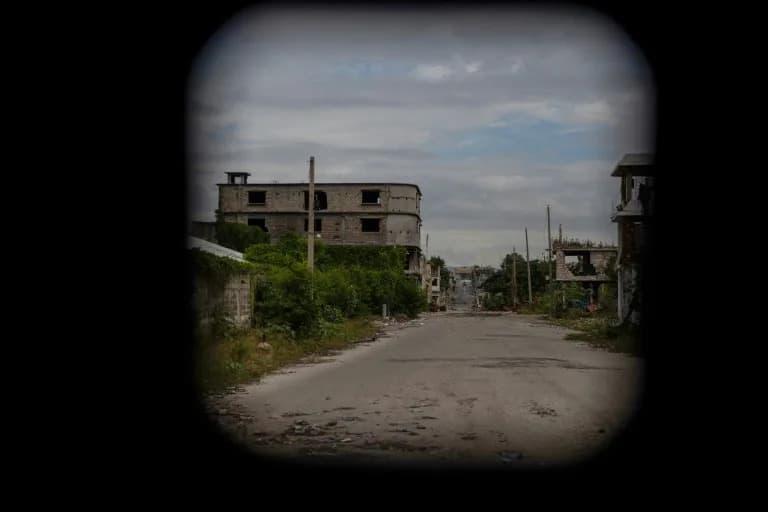
Haiti’s Provisional Electoral Council has proposed holding a first round of voting in August with a final round in December of next year, but officials warn widespread gang violence and insecurity could force delays. The transitional presidential council is scheduled to step down by Feb. 7 to allow a return to democratic governance.
Haiti has not held a full general election since 2016 and has been without an elected president since the assassination of Jovenel Moïse at his private residence in July 2021. The current transitional presidential council was appointed after that killing, and successive prime ministers since then have been nominated by the council rather than elected.
What to watch next
Key developments to follow include publication of the official electoral calendar, confirmation of the proposed August and December dates, security plans to protect voters and polling stations, and whether absent council members or outside actors seek to challenge or delay the process. International and regional responses, including any additional sanctions or diplomatic pressure, could also affect the transition timeline.
Help us improve.