Shawqi Abu Nasira, a former PA police official who spent 16 years in Israeli custody, says the Gaza ceasefire has allowed Hamas to regroup. Based east of the "yellow line," he leads a small force and is working to coordinate local militias into a unified alternative or "National Guard" for parts of Gaza. Abu Nasira urges international support to oust Hamas quickly and warns that long-term reconstruction plans could give Hamas time to rebuild.
Gaza Militia Leader: Ceasefire Gave Hamas a “Kiss of Life” — Vows to Unite Rival Forces

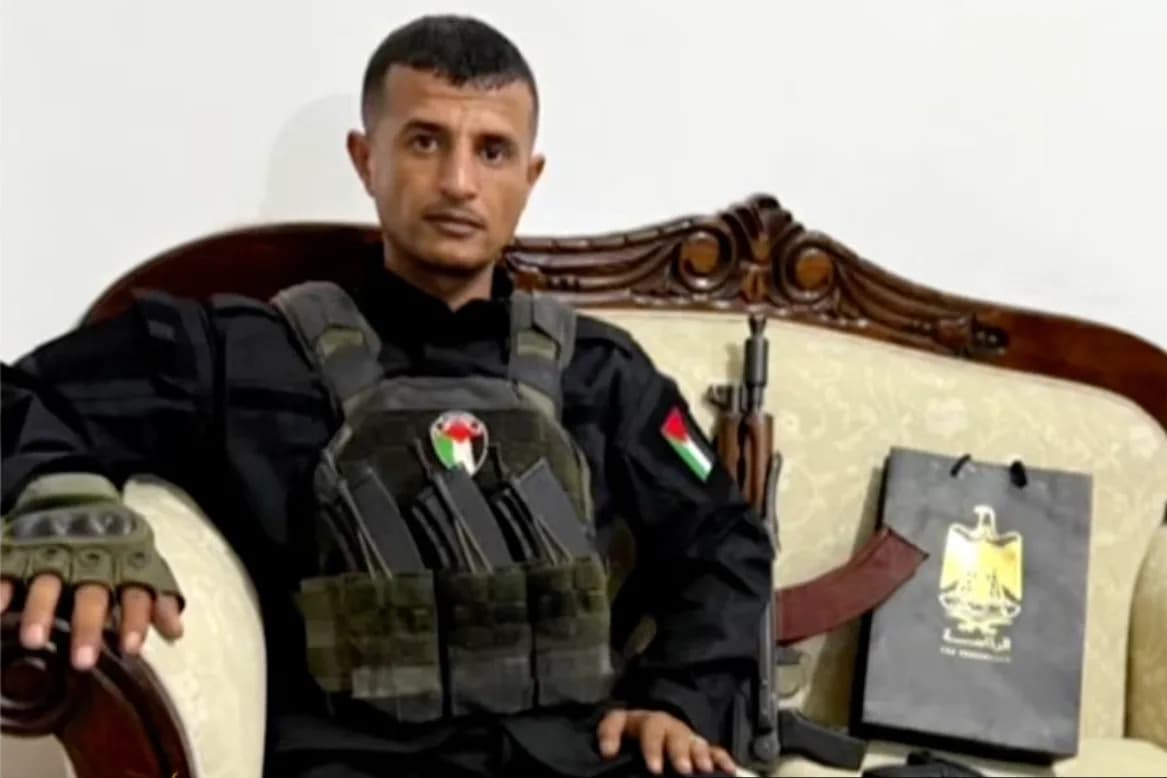
Shawqi Abu Nasira, a former senior Palestinian Authority police official who spent 16 years in Israeli custody, says the recent ceasefire in Gaza has given Hamas valuable breathing room to rearm and reassert influence across parts of the enclave. Now based east of Gaza's so-called "yellow line" in territory under Israeli military control, Abu Nasira leads a small armed group and is attempting to coordinate several local militias into a unified alternative to Hamas.
“The ceasefire gave them a kiss of life,” Abu Nasira said, arguing that Hamas is using the pause to re-equip, reorganize and open new centers.
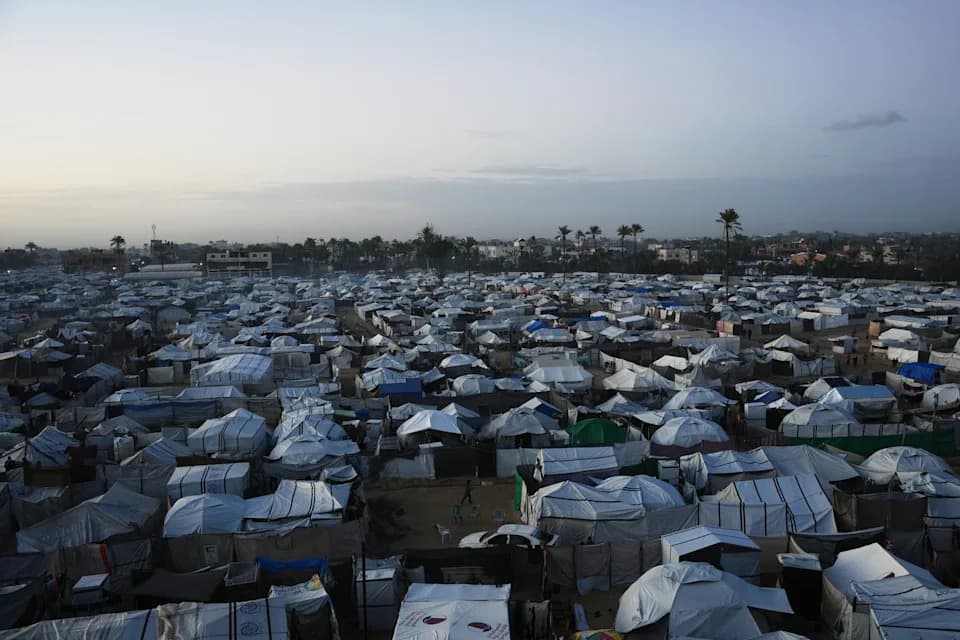
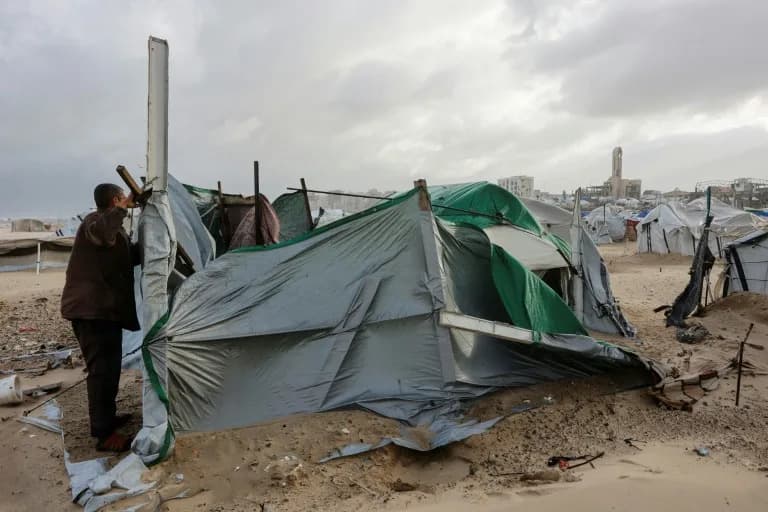
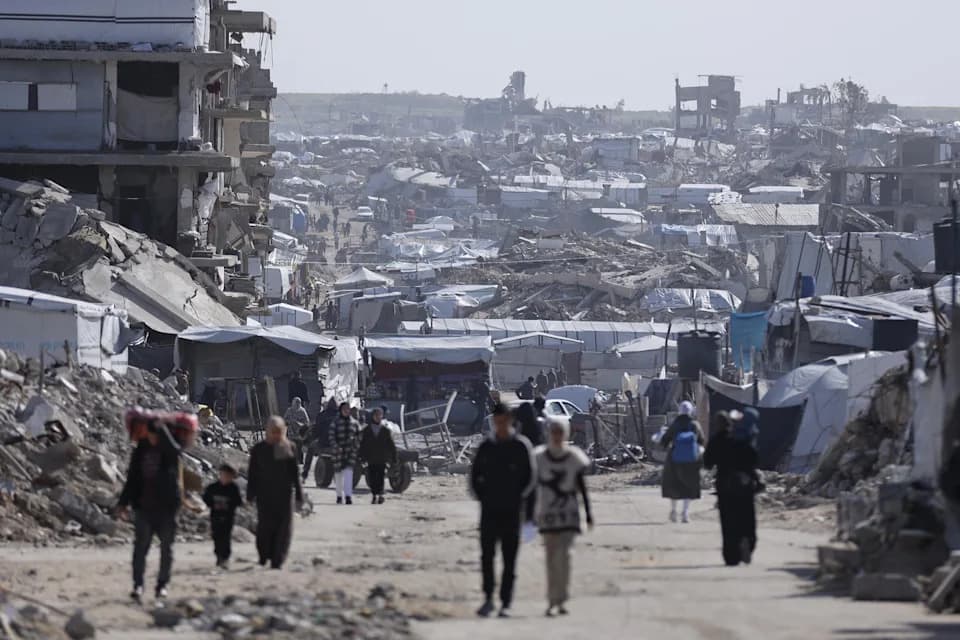
Abu Nasira says his defection from Hamas' sphere of influence was driven in part by the brutal killing of his only son, an event he described to regional outlets as a turning point. Although he acknowledges his force remains small — "dozens" of fighters by his account — he argues that many civilians displaced to tents or living without basic services are opposed to Hamas rule.
The truce has coincided with the rise of a fragmented security landscape across Gaza: small militias, clan-based networks and local defense groups have appeared or grown as centralized control weakened. Groups cited by observers include the Popular Forces in Rafah, the Popular Army in northern Gaza, the Counter-Terrorism Strike Force in Khan Yunis, and the Shujaiya Popular Defense Forces in eastern Gaza City, alongside influential family networks such as the al-Majayda and Doghmosh clans. None currently rivals Hamas in size or capability, but several have become more visible during the breakdown of central authority.
Abu Nasira said many of these groups are in contact and that early efforts are underway to coordinate under one political umbrella. He described plans for the network to operate as a kind of "National Guard" for eastern Gaza, arguing that Palestinians — with outside support — should be the ones to remove Hamas from power.
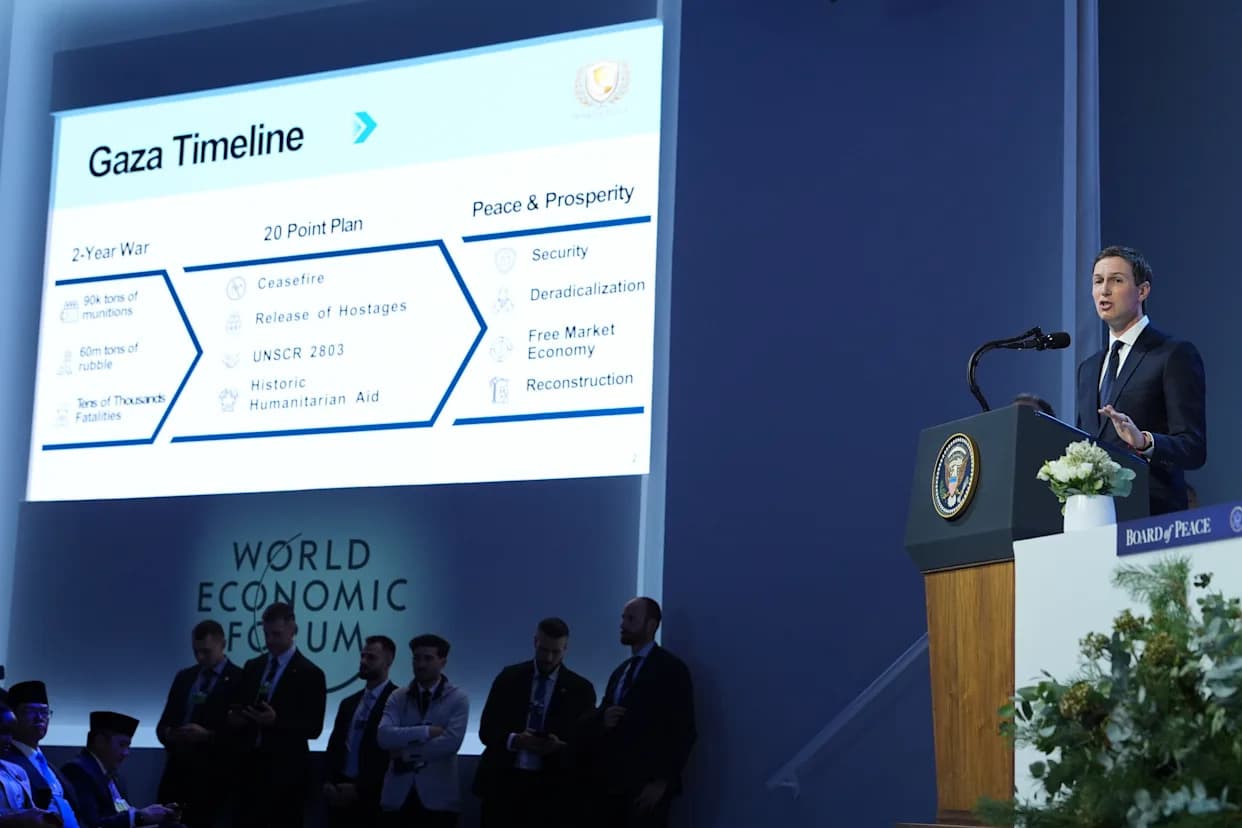
Rejecting fear of reprisals or accusations of collaboration, Abu Nasira said people who oppose Hamas are no longer willing to be silenced by threats. He also dismissed long-term reconstruction concepts that would create functioning civilian zones east of the yellow line as too slow, warning that prolonged timelines risk giving Hamas time to regain strength.
Observers caution that while local militias and clan networks may complicate Hamas's control, unifying disparate groups into an effective, accountable force presents serious political and operational challenges. Abu Nasira insists that with international backing, a unified alternative could be formed within months — a claim that would require significant resources, coordination and political support to test.
Implications: The developments underscore a volatile and fragmented security environment in Gaza. Even as ceasefires reduce immediate violence, they can create opportunities for armed groups to regroup; simultaneously, emergent local forces could further complicate prospects for stable governance unless political and humanitarian solutions keep pace.
Help us improve.