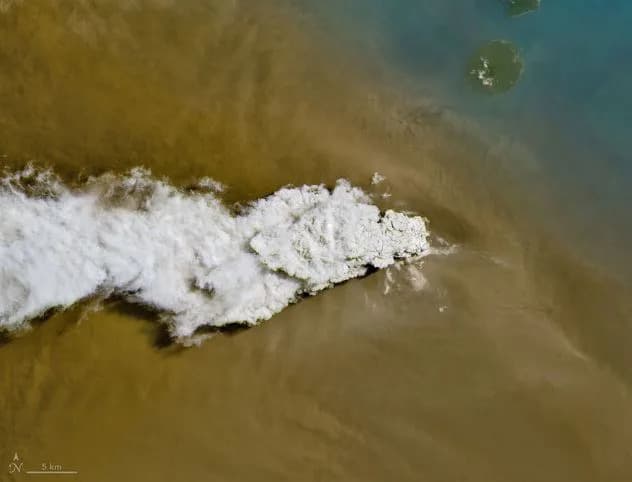
Six volcanic systems — Campi Flegrei, Merapi, Cumbre Vieja, Mount St. Helens, Popocatépetl and Yellowstone — are closely monitored because of their potential to cause severe regional or, in extreme cases, global impacts. Campi Flegrei has shown increased seismic unrest near Naples, while Merapi and Popocatépetl threaten nearby population centers with pyroclastic flows and ash. Cumbre Vieja’s 2021 eruption raised tsunami concerns that later studies largely discounted. Yellowstone remains a long‑term global risk in a super‑eruption scenario, but experts say such an event is not imminent.
Six Volcanoes Scientists Are Watching — From Local Hazards to Global Risks

Hawaii's Kilauea recently sent lava plumes about 400 feet into the air, marking another episode in an eruption sequence that has continued intermittently for the past year. While that event caused no major damage, several other volcanic systems around the world carry the potential for severe regional — and in extreme cases, global — disruption.
Scientists point out that factors such as climate-driven glacier loss can change pressure on magma systems and may influence eruption frequency or intensity. Researchers continually monitor a number of large volcanic complexes for signs of unrest. Below are six volcanoes being watched closely because of their history, location or potential impacts.
Campi Flegrei (Italy)
Last eruption: 1538
Campi Flegrei is a volcanic complex east of Naples made up of roughly two dozen craters rather than a single cone. A major eruption could blanket nearby communities in ash, trigger earthquakes and landslides across southern Italy, and produce severe air pollution. Geological records indicate very large past eruptions that affected climate and regional temperatures.
Likelihood: The field has shown elevated seismicity and ground deformation in recent years, including clusters of small quakes. Experts stress that unrest does not guarantee an imminent eruption, but the system remains under close observation because of its proximity to densely populated areas.
Merapi (Indonesia)
Last eruption: October 2025
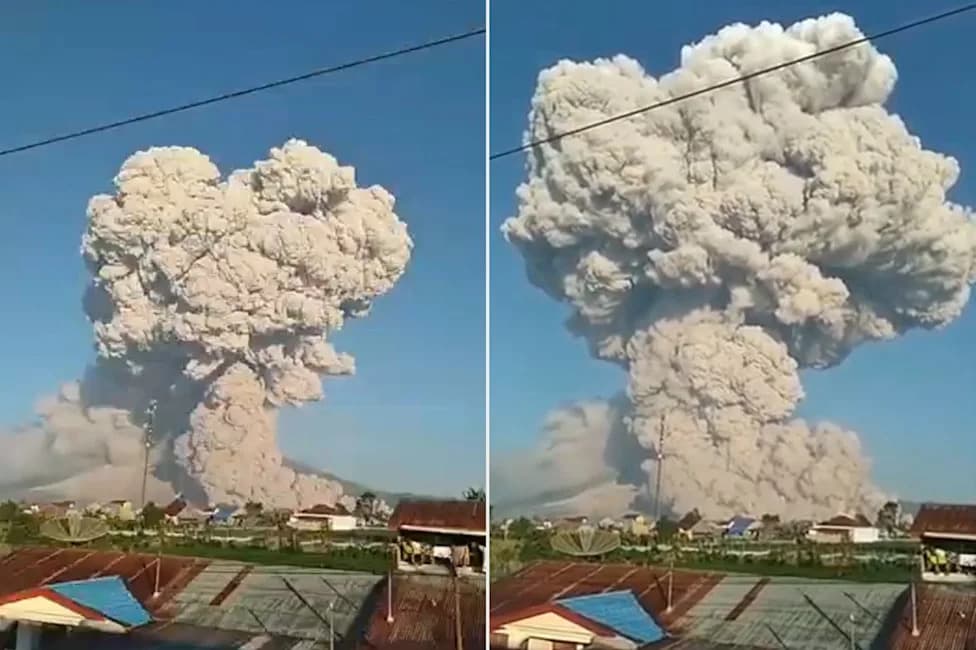
Merapi is Indonesia's most active volcano and a classic stratovolcano. Gas-charged magma frequently builds viscous volcanic domes that can collapse and generate deadly pyroclastic flows and lahars. Historically Merapi's eruptions have caused significant fatalities and property loss in surrounding communities.
Likelihood: Merapi has a pattern of recurring eruptions every few years, so continued activity is likely and local authorities maintain monitoring and preparedness measures.
Cumbre Vieja (La Palma, Canary Islands)
Last eruption: 2021
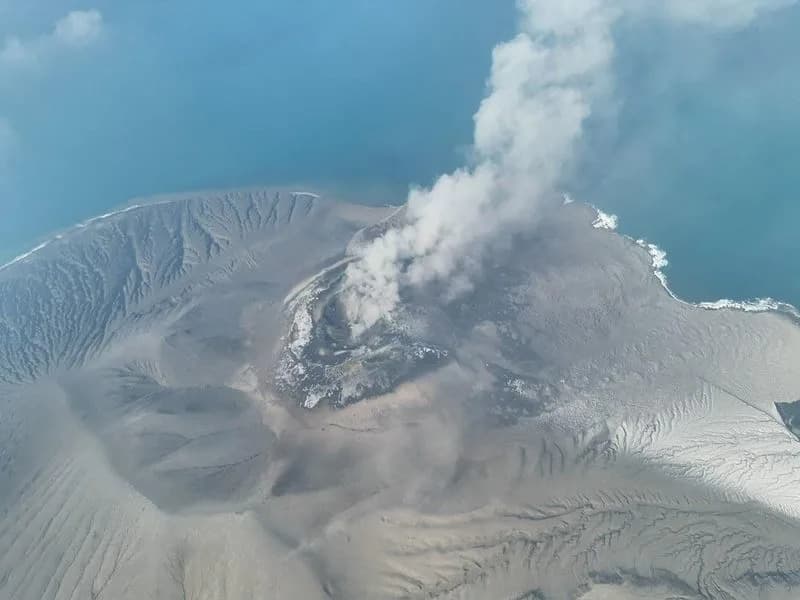
The 2021 eruption of Cumbre Vieja produced large lava flows that destroyed thousands of homes along the ridge and eventually reached the sea. Scientists have debated whether a catastrophic flank collapse could generate very large ocean waves, but subsequent studies have substantially reduced the probability of an immediate mega‑tsunami scenario. Nonetheless, the volcano can produce destructive local impacts and requires ongoing vigilance.
Likelihood: The year-to-year chance of a truly catastrophic collapse appears low according to recent assessments, but the potential consequences of any large eruption make preparedness essential.
Mount St. Helens (United States)
Last eruption: 1980 (major eruption)
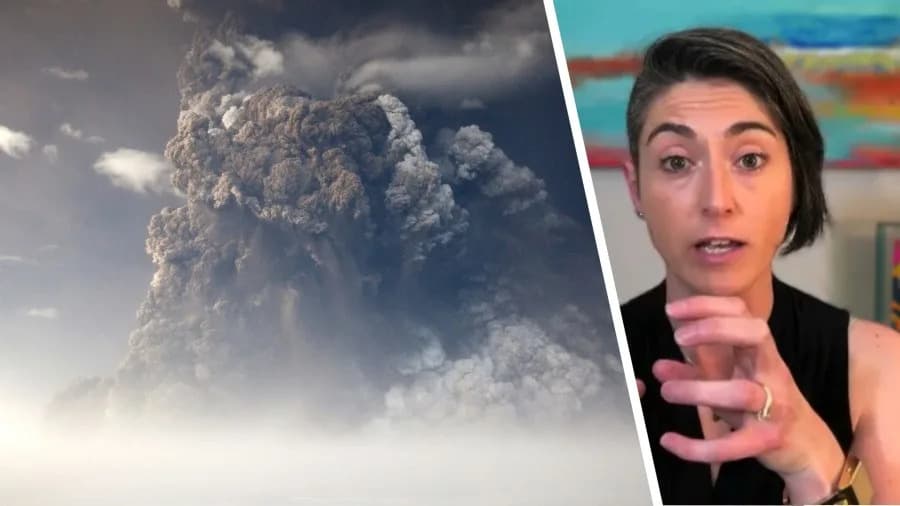
The May 1980 eruption of Mount St. Helens caused 57 fatalities, produced the largest landslide in recorded history, and sent an ash plume tens of thousands of feet into the atmosphere. The event devastated hundreds of square miles and has provided scientists with a long-term natural laboratory to study ecosystem recovery after major volcanic disturbance.
Likelihood: Ongoing monitoring shows the volcano is currently at background levels of activity; occasional local ash and fumarolic gas emissions are tracked but do not indicate imminent large-scale eruption at this time.
Popocatépetl (Mexico)
Last eruption: Ongoing unrest since the early 2000s
Popocatépetl lies roughly 40 miles from Mexico City and close to other large population centers. A major eruption could deposit thick ash over urban areas, clog drainage, contaminate water supplies and disrupt electricity and transport systems. Nearby communities are also at risk from hot lahars and pyroclastic flows in the immediate vicinity of the volcano.
Likelihood: After decades of dormancy the volcano became active again and has shown recurring seismicity and eruptive episodes in recent years. Authorities maintain alert levels and contingency planning for populated regions downwind.
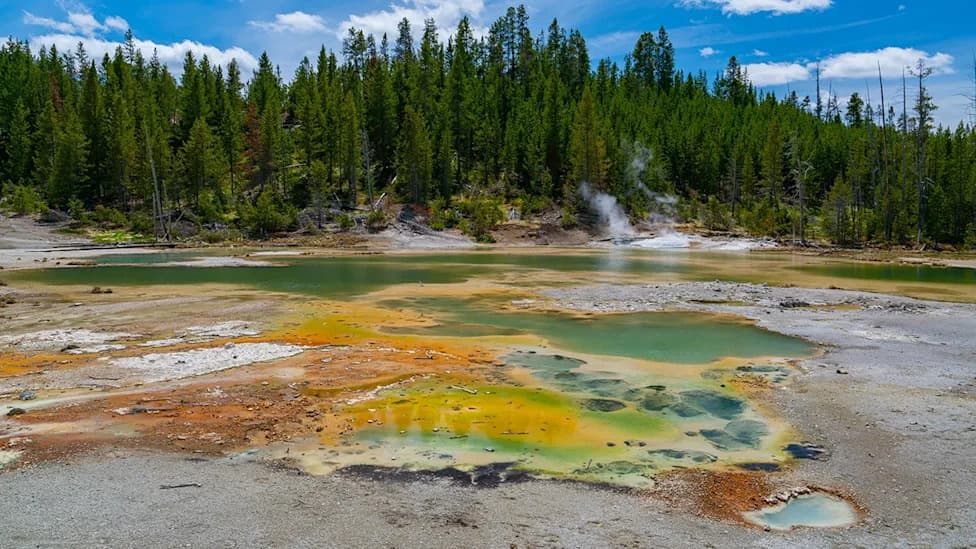
Yellowstone Caldera (United States)
Last major caldera eruption: ~640,000 years ago
Yellowstone is a large volcanic system often described as a supervolcano because a major caldera-forming eruption could have worldwide consequences: widespread ashfall across large regions, substantial climate cooling from stratospheric aerosols, and severe disruption to transport, power grids and agriculture. These are extreme scenarios, however, and not the expected outcome on human timescales.
Likelihood: Scientists monitoring Yellowstone see no signs that a super-eruption is imminent. Geologic records show very long intervals between the system's largest past eruptions, and current monitoring focuses on small earthquakes, ground deformation and hydrothermal changes.
Bottom line: Catastrophic global eruptions are rare, but localized and regional volcanic hazards are common and can be deadly. Continued monitoring, preparedness planning and public communication are essential — especially for volcanoes near large population centers.
Help us improve.