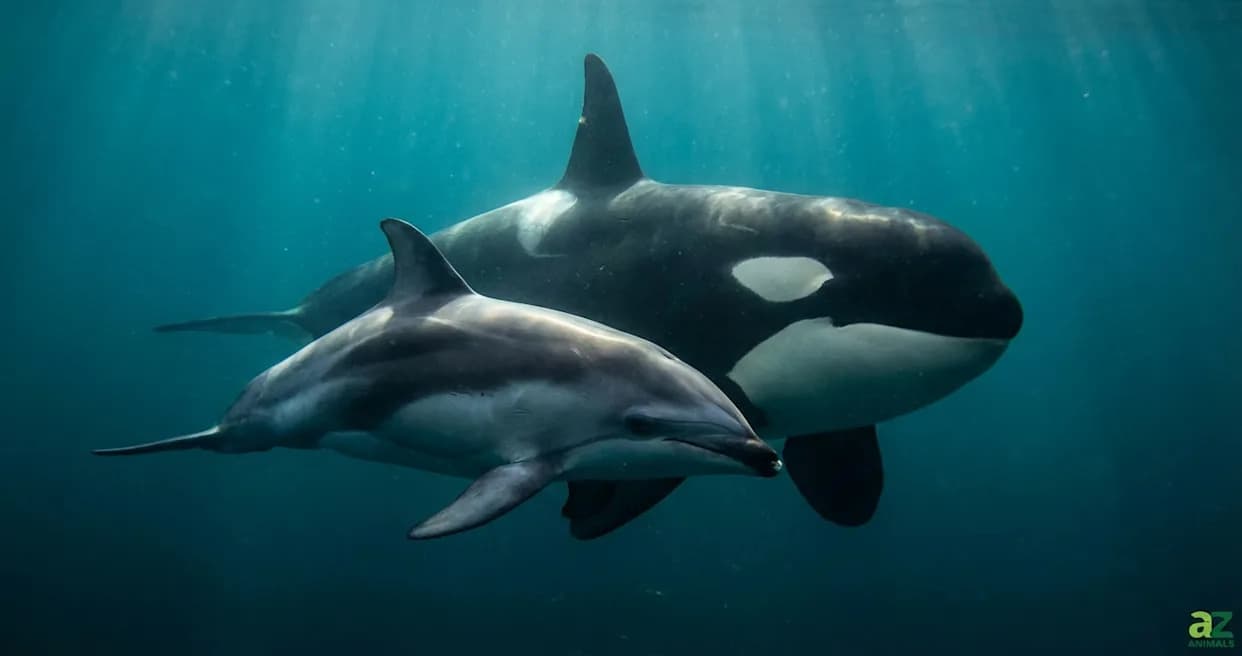
A three-orca pod off Madeira attacked and killed a pygmy sperm whale, producing an 80-foot red-brown slick. Camila Alejandra Dávila Pardo documented the event and published it in Marine Mammal Science, noting it may be the first recorded marine-mammal predation by orcas in Madeira and only the fourth global record for this prey species. The prey’s defensive release of reddish intestinal fluid failed against orca echolocation. Scientists warn this behavior could threaten vulnerable local species, including fewer-than-30 monk seals, and urge more observations.
Rare Footage: Orca Pod Hunts Pygmy Sperm Whale Off Madeira

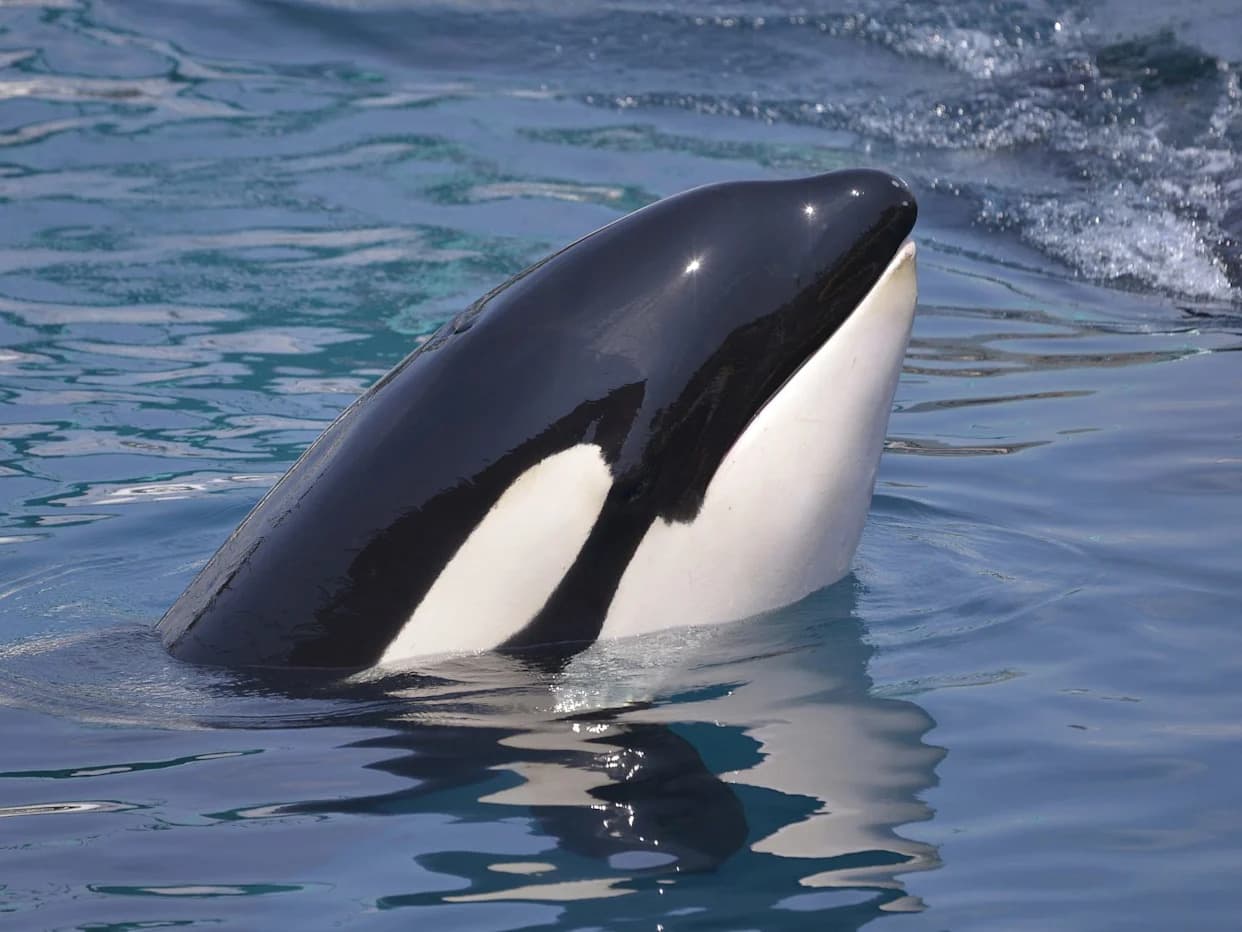
Passengers aboard a whale-watching vessel off Madeira witnessed a rare and dramatic encounter when a three-orca pod attacked a pygmy sperm whale, producing an expansive 80-foot red-brown slick on the surface. Minutes later, observers saw one orca fling the small whale into the air while another held the thrashing animal underwater.
Marine biologist Camila Alejandra Dávila Pardo, who recorded the event and later published an account in the journal Marine Mammal Science, said one orca even swam close to the boat with the prey in its mouth, appearing to “look at us like, hey, look what I got?” She wrote that she found no previous documentation of orcas hunting marine mammals in Madeira; globally, this may be only the fourth recorded instance of killer whales preying on pygmy sperm whales.
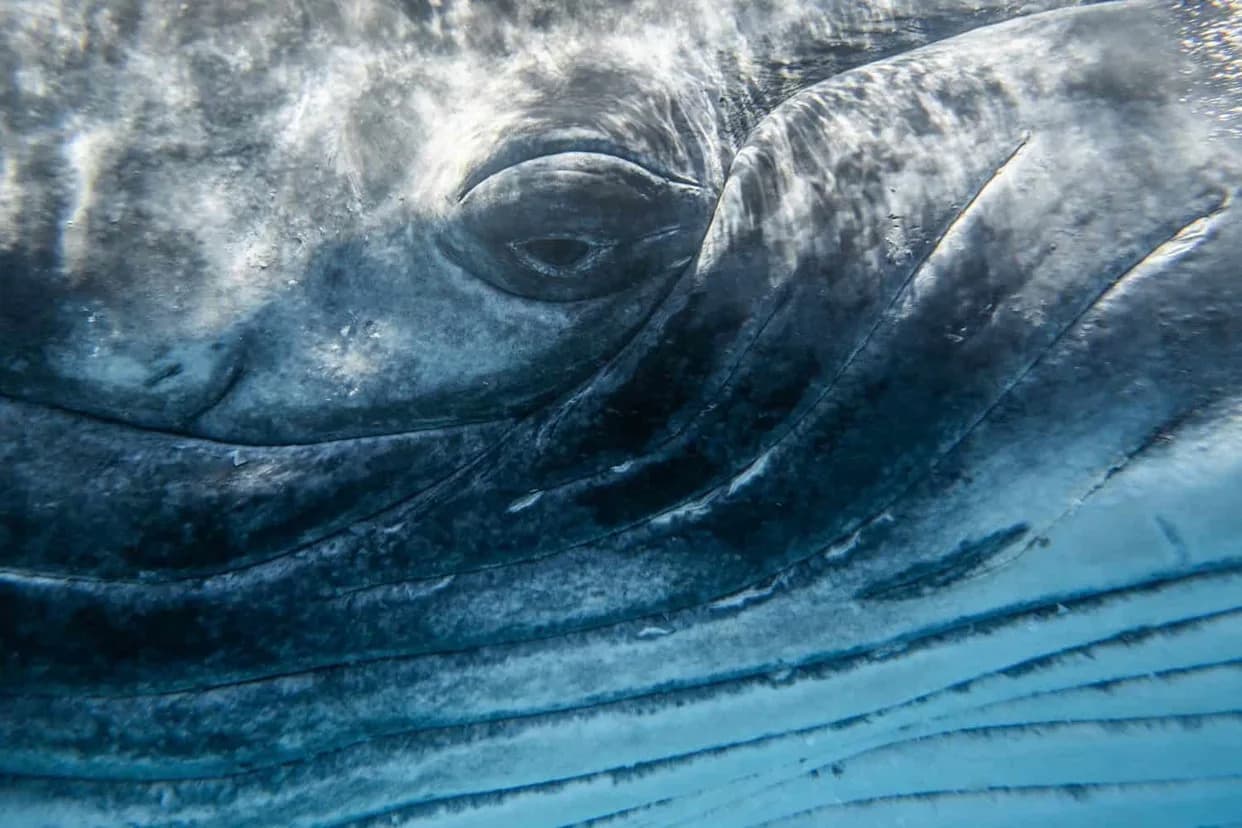
At first glance the slick looked like blood. Renaud de Stephanis, a marine biologist not involved in the study, recalled his initial reaction: “Oh my God, that’s blood.” But pygmy sperm whales can release a reddish intestinal fluid when threatened—an inklike cloud intended to help them escape. In this case, the defensive release did not succeed: the orcas’ sophisticated echolocation allowed them to track the prey despite the cloud.
What scientists learned
Pygmy sperm whales are deep-diving, offshore animals that typically inhabit waters around 400 meters (1,300 feet) or deeper and are rarely seen nearshore. Rob Lott, campaign coordinator at Whale and Dolphin Conservation, noted that the behavior observed suggests coordinated foraging capable of targeting deep-water species.
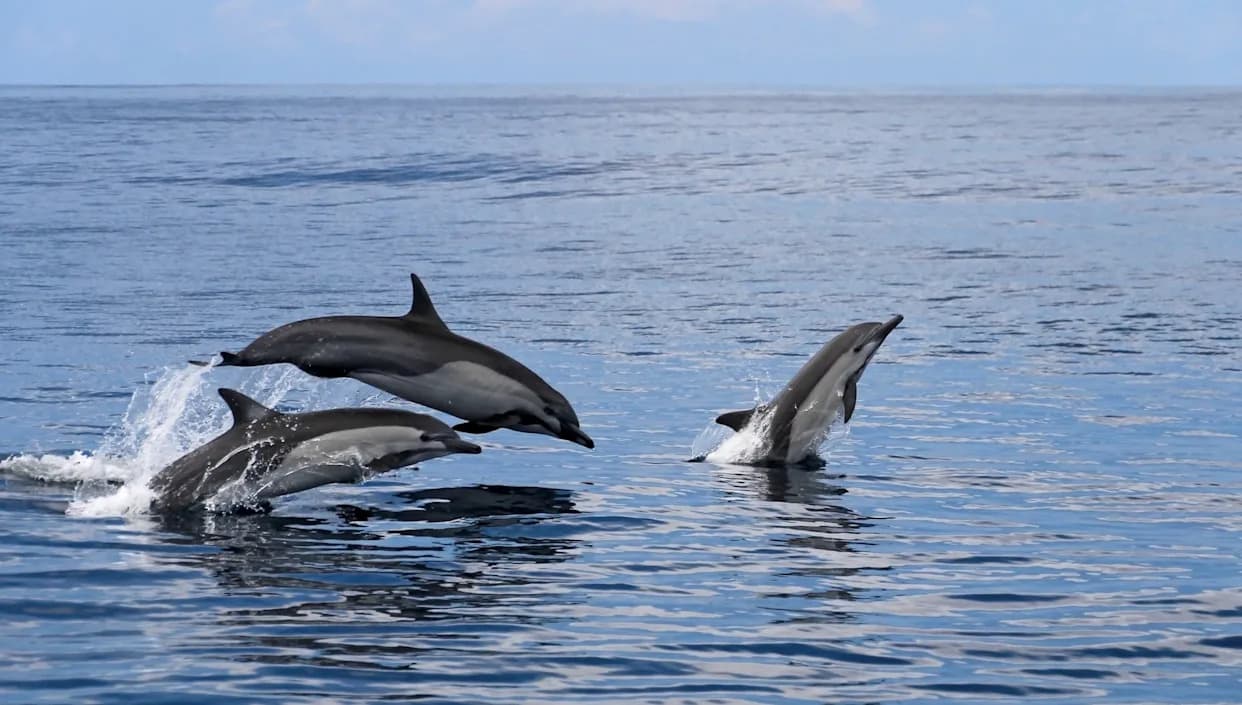
Killer whales are encountered off Madeira only a few times a year, and the local population’s behavior and composition remain poorly known. Although orcas have been recorded attacking whales and dolphins in neighboring Azores and Canary Islands waters, video evidence of a marine-mammal kill in Madeira surprised researchers. The three individuals captured in the footage were not matched in regional photo-identification databases, a detail that may indicate the pod is transient.
Conservation implications
Researchers say the sighting matters beyond its dramatic visuals. If orcas in the area regularly prey on marine mammals, it could pose new risks for vulnerable local species such as the critically endangered Mediterranean monk seal population around Madeira, which numbers fewer than 30 adults. Dávila Pardo and other local experts call for more sightings and data to determine whether this was an isolated event or part of a broader pattern.
By publishing her observations and sharing the footage, Dávila Pardo hopes to encourage whalers, tour operators, researchers, and the public to report sightings: “These are our orcas. Have you guys seen them around? We need help.” Additional photo-ID records, videos, and systematic observations will be essential to understanding orca movements and potential impacts on regional marine mammals.
Help us improve.