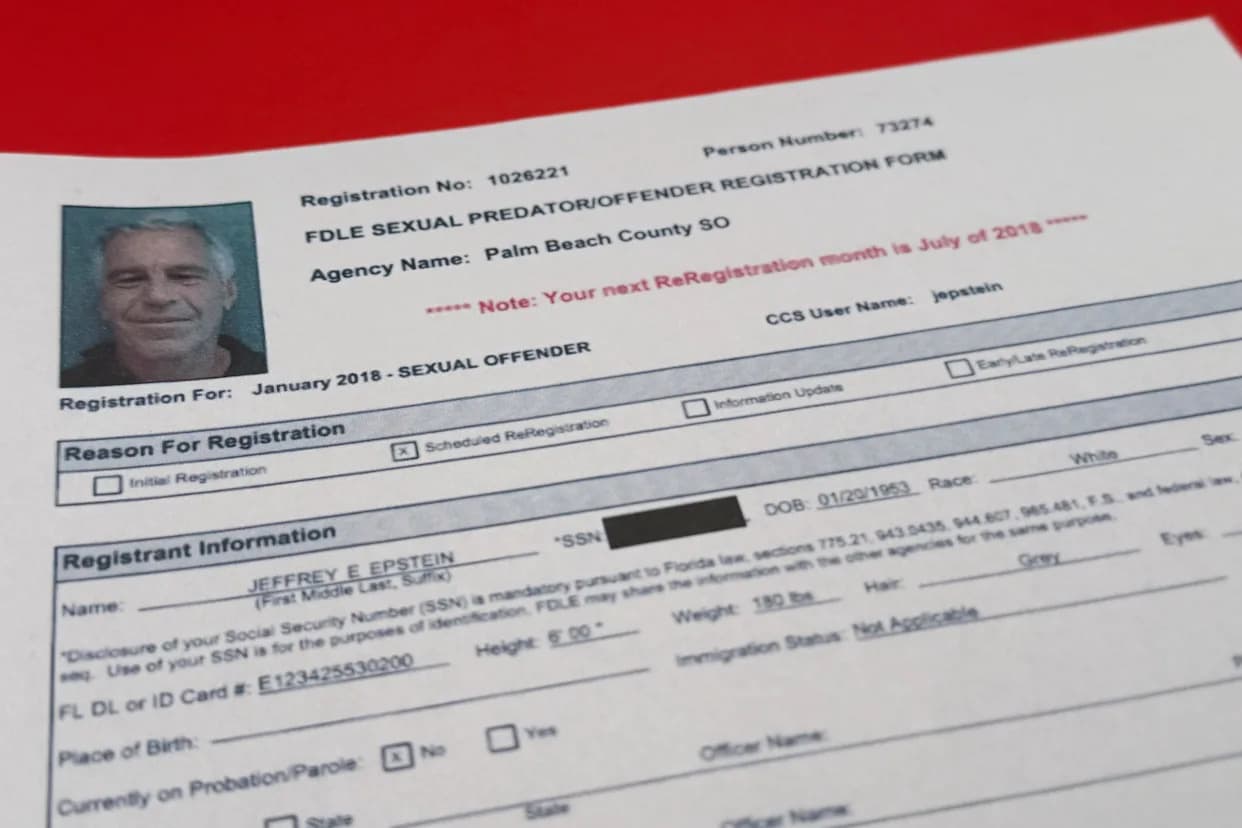
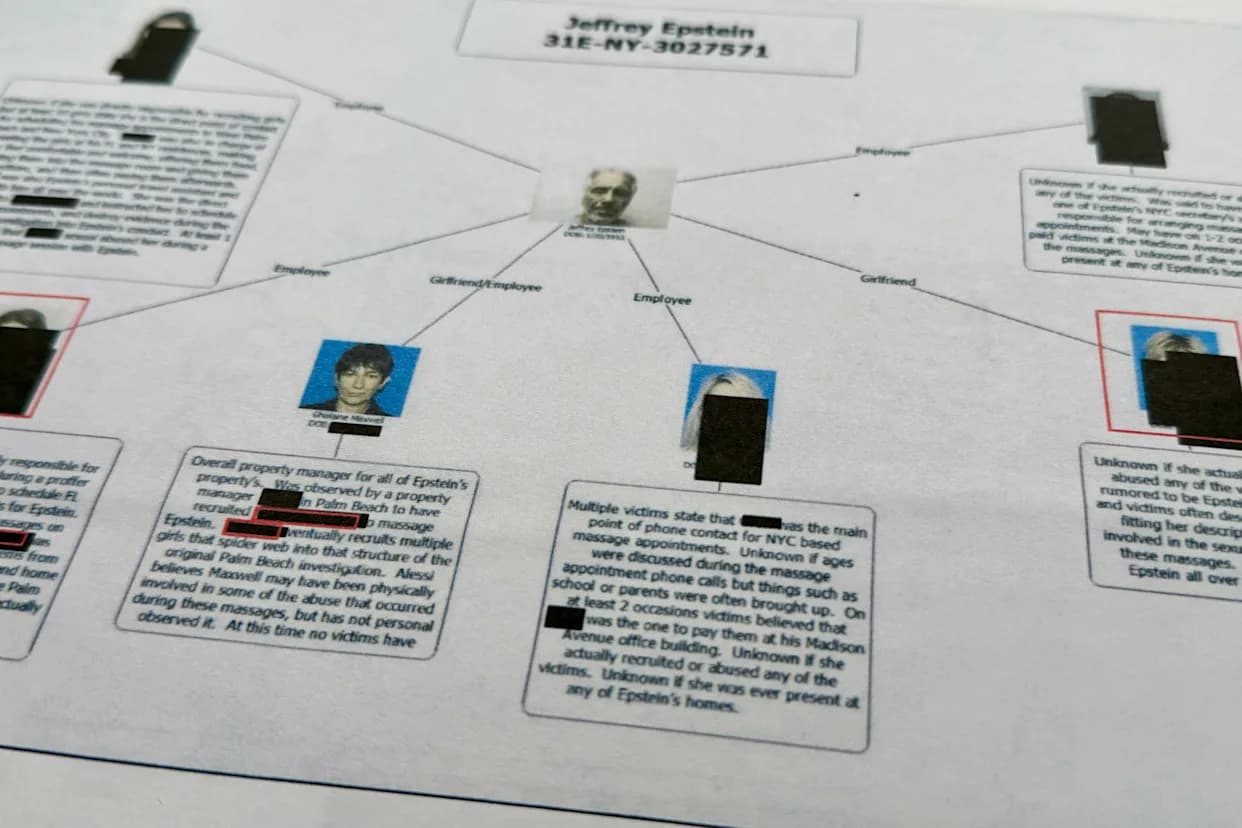
The Justice Department must publish additional, unclassified records related to Jeffrey Epstein by Dec. 19 under the Epstein Files Transparency Act signed on Nov. 19. The materials could include digital drives, photos, travel logs and other seized items, though some documents may already have been part of an earlier "first phase" release. The DOJ is permitted to withhold or redact classified information, victim identities, or anything that could jeopardize an active federal investigation. It is unclear how many documents remain, what will be released in full, and how extensive any redactions will be.
When Will the DOJ Release the New Epstein Files — What They Could Reveal and What May Be Redacted

The Justice Department is required to disclose additional records connected to the investigation of Jeffrey Epstein after Congress passed the Epstein Files Transparency Act. President Donald Trump signed the bill into law on Nov. 19, triggering a 30-day deadline that requires the Department of Justice to publish the specified records by Friday, Dec. 19, though the agency may release them at any time before that date.
What the law requires
The Epstein Files Transparency Act directs the DOJ to publish "all unclassified records, documents, communications, and investigative materials in DOJ's possession that relate to the investigation and prosecution of Jeffrey Epstein." The mandate follows an earlier document release the department described as a "first phase," which omitted materials containing sensitive witness and victim information.
What might be in the forthcoming release
An inventory previously provided by the DOJ suggests the remaining evidence could include seized digital and physical items: cameras, computers, recording devices, hard drives and CDs (one entry is listed as a CD labeled "girl pics nude book 4"). Investigators also reportedly collected photographs, employee rosters and travel logs — including logs for boat trips to Little St. James, the private island where Epstein kept a compound — which could shed light on who visited his properties.
Limits, redactions and exceptions
Despite the broad language of the law, there are clear exceptions. The DOJ may withhold or redact any material that is classified, that would identify victims, or that could jeopardize or interfere with an active federal investigation. That discretion means some files or portions of files likely will not be made public.
Politics and possible complications
In November, President Trump asked Attorney General Pam Bondi to investigate prominent figures who appeared in a separate trove of Epstein-related emails released by the House Oversight Committee; reported names included Bill Clinton, Larry Summers and Reid Hoffman. Observers have warned the department could point to a new or ongoing inquiry as a reason to withhold additional materials, since the statute explicitly permits withholding records that could jeopardize active investigations.
How and when the DOJ may publish
The department could release the documents via a press release and/or by posting files on the DOJ website; the agency posted earlier documents online in February. At the time of writing the DOJ had not confirmed exactly how it will distribute the next release or whether all unclassified materials will be posted in full.
Ultimately, it remains unclear how many additional files the government still holds, which items will be disclosed, and how extensively the department will redact sensitive information. The Dec. 19 deadline guarantees at least a partial public accounting, but significant questions about scope and transparency remain.
Help us improve.