By 900 CE, many Classic Maya southern lowland cities were abandoned. Scholars now argue there was no single cause: prolonged droughts, environmental damage from intensive agriculture, escalating warfare, political collapse and voluntary migration all contributed. Rather than disappearing, the Maya adapted — dispersing, reorganizing and transforming their societies. The decline was gradual and multifaceted, shaped by both crisis and choice.
What Ended the Classic Maya Cities? 5 Leading Theories Behind the Abandonment by 900 CE

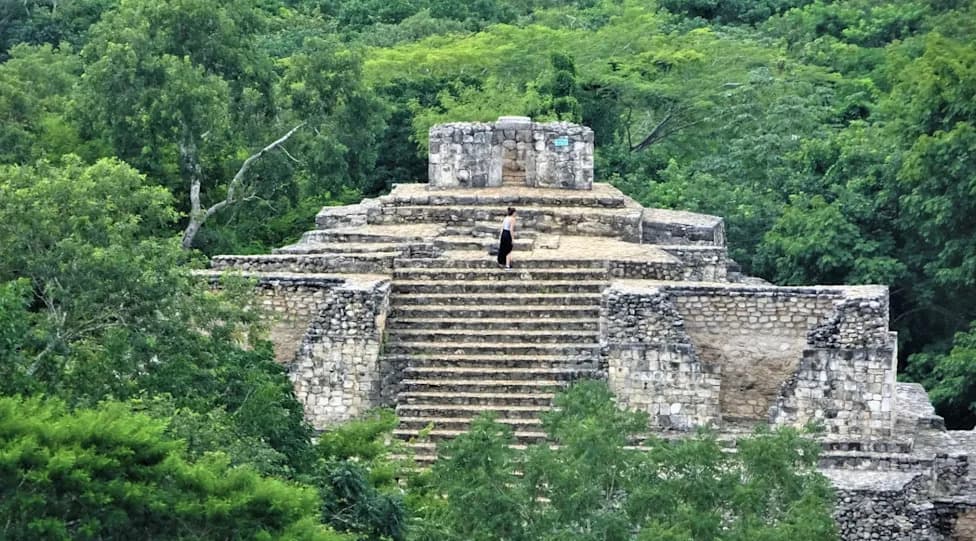
The Maya civilization — famed for its complex calendars, monumental architecture and advanced writing — reached a cultural peak in ancient Mesoamerica. Yet by about 900 CE, many major southern lowland cities were abandoned. Rather than a single catastrophe, scholars now see a web of interacting causes that undermined Classic Maya urban life.
Five leading explanations
1. Climate change and prolonged drought
Paleoclimate records indicate the region experienced episodes of severe, multi-year droughts. The Classic Maya agricultural and water-storage systems depended on predictable rainfall; when rains failed, crop yields faltered and reservoirs shrank. Repeated harvest failures likely produced famine, eroded elite authority and increased social stress.
2. Environmental degradation from intensive agriculture
To support growing populations, the Maya practiced intensive cultivation and cleared large areas of forest. Over time this could have reduced soil fertility, increased erosion and altered local water cycles. The combination of exhausted soils and diminished watershed resilience would have reduced the land’s capacity to sustain dense urban populations.
3. Escalating warfare and social instability
Archaeological evidence of fortifications, weapons and violent trauma suggests conflict intensified toward the end of the Classic period. Warfare disrupted trade networks, weakened alliances and made urban centers less secure, prompting some people to abandon cities for safer areas.
4. Political breakdown and loss of legitimacy
Maya rulers were seen as intermediaries with the gods. Prolonged droughts, food shortages and repeated military setbacks undermined rulers’ ability to deliver stability and ritual efficacy. Growing inequality and elite demands likely exacerbated popular discontent, contributing to the collapse of administrative and religious structures that had sustained city life.
5. Migration driven by opportunity as well as crisis
Recent interpretations emphasize that abandonment was not only forced flight but sometimes voluntary movement. In some periods, rural areas recovered or became more attractive, offering better land, greater autonomy and relief from crowded, disease-prone cities. For many, leaving the city was a rational choice rather than sheer desperation.
Conclusion
"Collapse" can be misleading: the Maya people and their culture did not vanish. Instead, Classic southern cities experienced a gradual transformation driven by environmental pressures, political failures and human decisions. Studying this transition underscores how societies depend on a fragile balance among natural resources, governance and individual choices — and how shifts in any of those elements can reshape civilizations.
Understanding the Classic Maya decline means seeing not a single cause but a complex interplay of stresses and responses across centuries.
Help us improve.