Mexican archaeologists have uncovered a Zapotec tomb near Oaxaca dated to about 600 C.E., notable for exceptionally well-preserved murals, sculptural elements and inscribed friezes. The site includes a painted portrait with an owl motif, carved guardians in the doorjambs, and a mural procession carrying copal resin. INAH-led teams are conducting conservation and multidisciplinary study to learn more about Zapotec social organization, funerary rituals and worldview. Officials called the discovery one of Mexico's most important archaeological finds in the last decade.
1,400-Year-Old Zapotec Tomb Unearthed in Oaxaca — Officials Call It the "Find of the Decade"
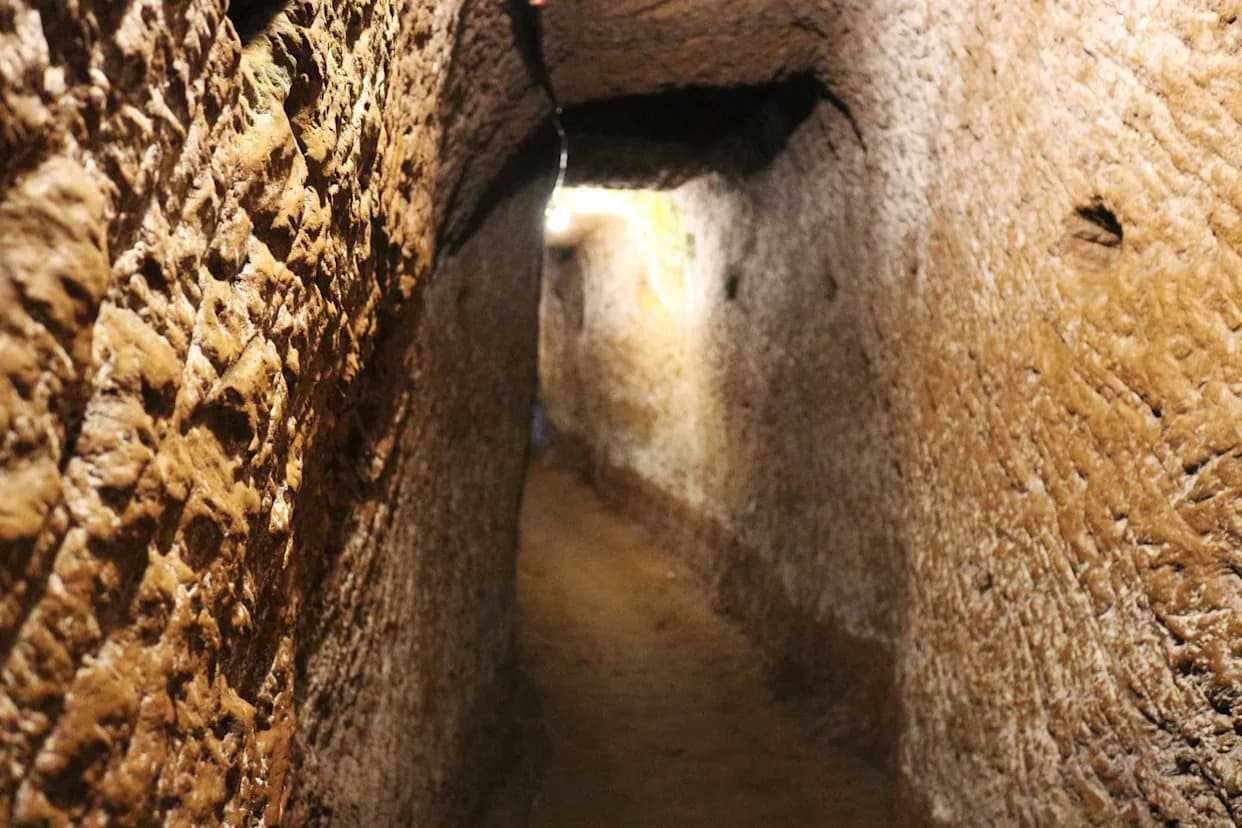
Officials Say This Tomb Is the Find of the DecadeLelia Valduga - Getty Images
Mexican authorities have announced the discovery of a remarkably well-preserved Zapotec tomb in the Central Valley of Oaxaca, dated to about 600 C.E. Officials are hailing the find as one of the country's most important archaeological discoveries of the last decade.
A Rare Window Into Zapotec Life
The burial complex, excavated and studied by teams from the National Institute of Anthropology and History (INAH), contains vibrant mural paintings, sculptural elements, carved friezes and inscribed stone slabs. Specialists say the combination of preserved art and architecture promises fresh insight into Zapotec social organization, funerary practice and cosmology around 1,400 years ago.
"This is an exceptional discovery due to its level of preservation and what it reveals about Zapotec culture: its social organization, its funerary rituals, and its worldview," said Claudia Curiel de Icaza, Mexico's secretary of culture, in a statement translated from INAH.
Notable Features
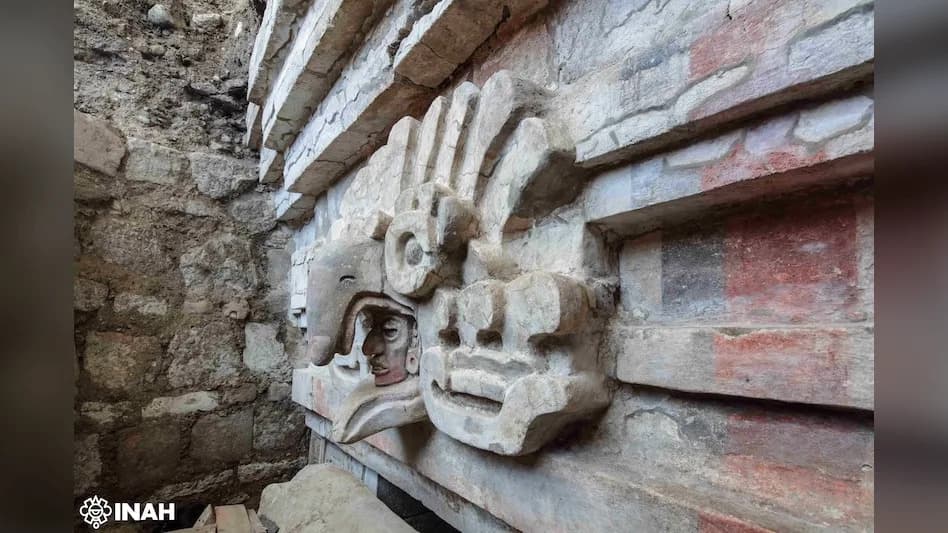
Entrance and Antechamber: The decorative program begins at the tomb's entry. A painted owl — a Zapotec symbol linked to night and death — covers the face of a depicted lord. INAH researchers suggest this portrait may represent the ancestor to whom the tomb was dedicated, a figure whose descendants may have expected to intercede with deities on their behalf.
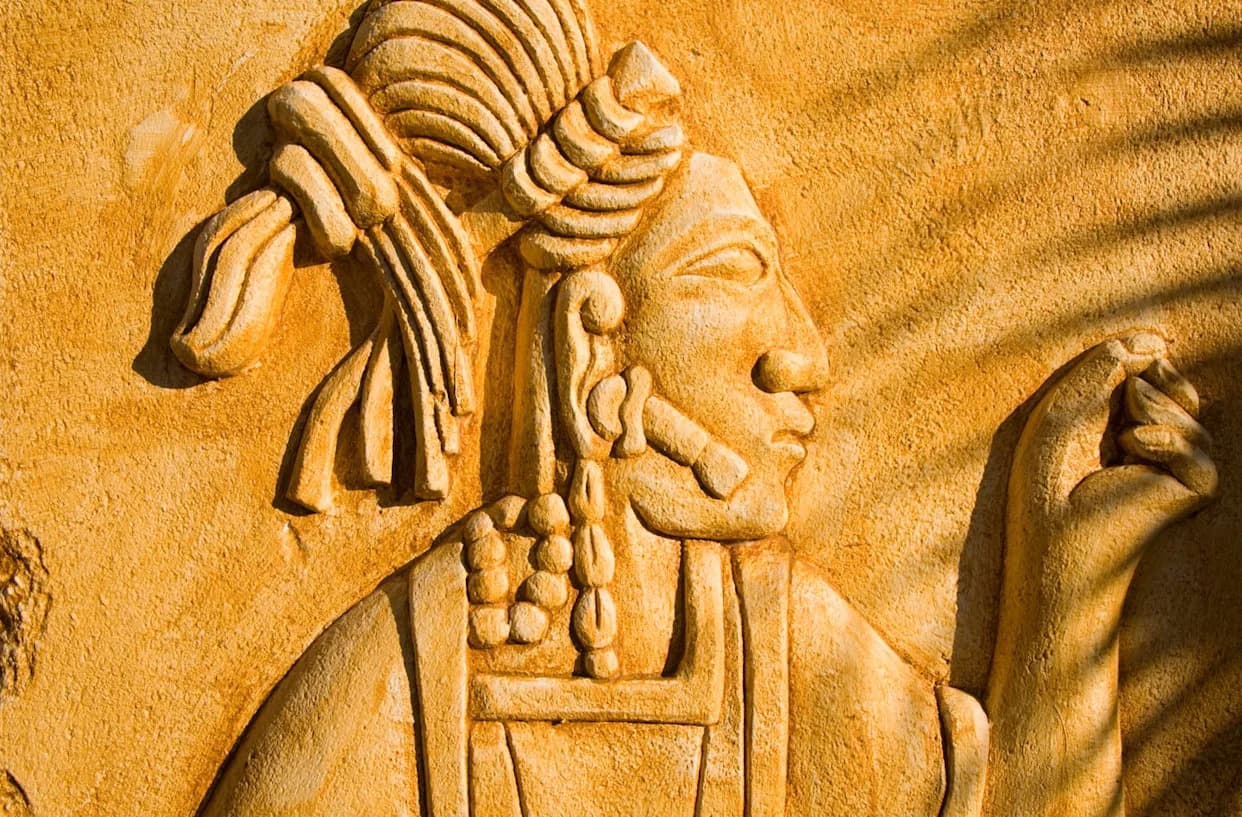
Lintel and Doorjambs: The doorway includes a lintel accented by a frieze of engraved stone slabs bearing calendrical names and other inscriptions that specialists hope to decipher. Carvings on the doorjambs depict a man and a woman wearing headdresses and holding objects; these figures are interpreted as guardians of the tomb.
Burial Chamber Murals: Pigments have survived in tones of ochre, white, green, red and blue. The principal mural depicts a procession of figures carrying sacks of copal, the aromatic tree resin commonly used in ritual burning, advancing toward the tomb entrance.
Ongoing Study and Conservation
INAH emphasizes that conservation work is under way and that a multidisciplinary scientific effort is continuing. Teams specializing in ceramics, iconography, epigraphy and physical anthropology are collaborating to extract what INAH calls "invaluable information" about Zapotec hierarchy, mortuary customs and worldview. Officials say further interpretive conclusions will follow careful analysis and conservation.
"This tomb is a compelling example of Mexico's millennia-old cultural achievements, which are being researched, protected and shared with the public," said Claudia Curiel de Icaza.
Mexico's president, Claudia Sheinbaum Pardo, described the discovery as "the most important archaeological discovery in Mexico in the last decade," underscoring the national significance of the find.
Researchers plan phased releases of findings as preservation and scientific work permits, and they stress that rigorous documentation is essential before broad public display or interpretation.
Help us improve.