The article explains how a hidden federal funding provision and recent state rules threaten small hemp businesses. Cornbread Hemp, founded in 2019, relies on organic, flower-only extraction and serves many older customers. Tennessee's 2025 law and a proposed federal limit of 0.4 mg total THC per container could block out-of-state sellers and render most hemp-derived cannabinoid products noncompliant. Cornbread has joined a legal challenge as the industry faces simultaneous state and federal pressure.
They Built a Hemp Business in Good Faith — Now Federal and State Rules Threaten to Destroy It

As Congress moved to pass a short-term funding measure earlier this month, Sen. Rand Paul (R–Ky.) warned that a provision tucked into the bill would "regulate the hemp industry to death." Buried in the continuing resolution was language that, if enacted, could reverse nearly seven years of regulatory progress and pose an existential threat to many small hemp companies.
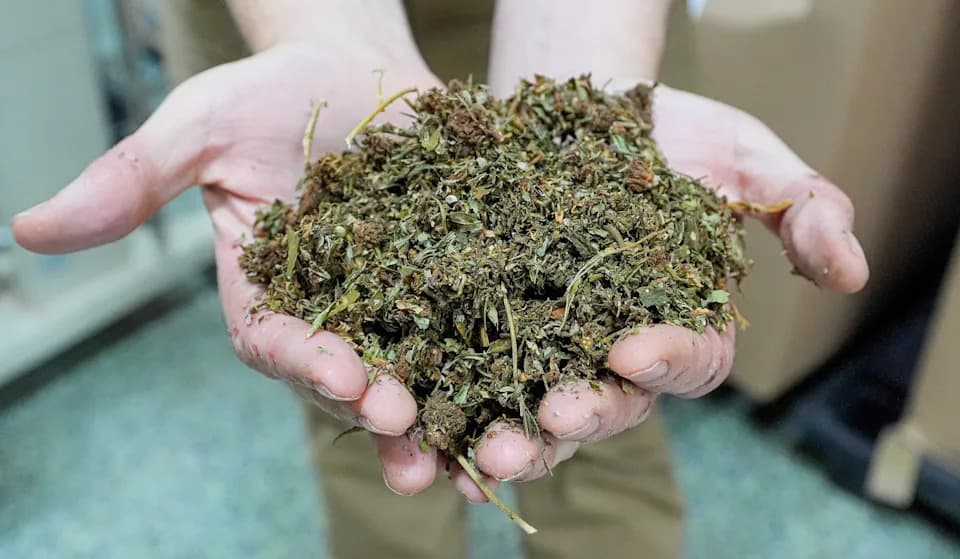
After the 2018 Farm Bill removed hemp from the federal Controlled Substances Act, cousins Jim Higdon and Eric Zipperle launched Cornbread Hemp in 2019. Based in Kentucky, the company sells hemp-derived products nationwide and has tried to set itself apart through organic practices and an extraction model that uses only cannabis flowers.
"We're farming land that has not had pesticides on it for three years—verified. We're using non-GMO seeds, no pesticides, and no synthetic fertilizers," Higdon said. "The only fertilizer input we use is chicken litter…from a certified organic chicken farm."
That emphasis on purity has built a loyal customer base: roughly 60 percent of Cornbread's customers are over age 66 and use the products to manage chronic pain.
The licensed hemp sector grew rapidly and unevenly after legalization: licensed growers rose from about 3,500 in 2018 to more than 21,000 by 2020, before falling to roughly 9,700 in 2021 as the market corrected. Industry models estimate the hemp supply chain supports about 325,000 jobs across farming, biomass processing, product manufacturing, distribution, and retail. U.S. Department of Agriculture figures place the value of U.S. industrial hemp production at about $824 million in 2021 and approximately $445 million in 2024.
State rules tighten, then Washington moves
Even before the federal provision surfaced, many small operators were squeezed by new state measures. In 2025, Tennessee placed hemp under the authority of its Alcoholic Beverage Commission, extending the state's three-tier liquor distribution system to hemp products. Beginning January 2026, out-of-state hemp companies will be required to sell first to a Tennessee-licensed wholesaler, which must then sell to a Tennessee-licensed retailer before products can reach consumers in physical stores. For companies like Cornbread, creating in-state wholesaler and retailer operations is technically possible but practically and financially prohibitive.
Beyond the operational burden, Cornbread and similar firms argue the Tennessee law infringes on their right to earn a living and violates the U.S. Constitution's Commerce Clause by discriminating against out-of-state businesses. Cornbread has partnered with the Pacific Legal Foundation to challenge the statute in court.
What the federal provision would do
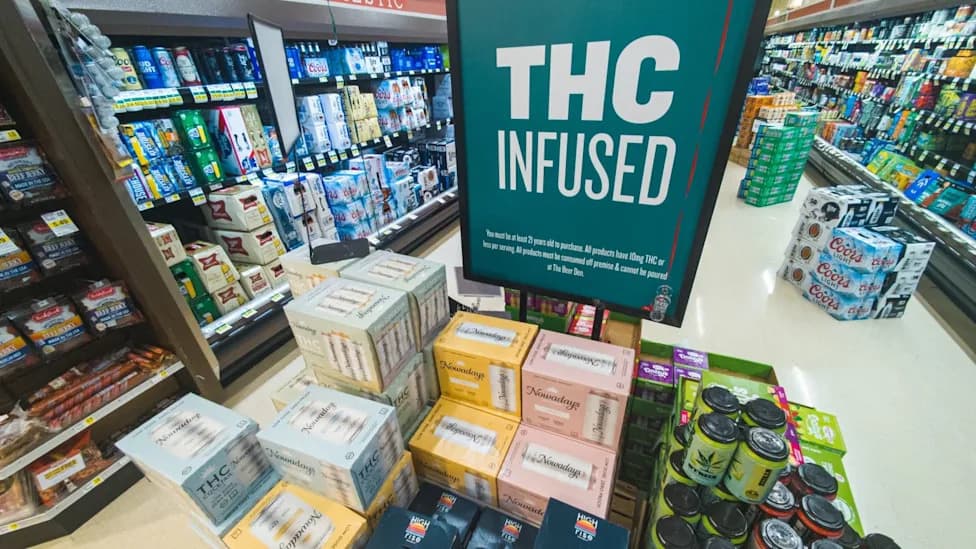
The continuing-resolution language would impose a strict cap on THC in consumable hemp products: no more than 0.4 milligrams of total THC per container — not per serving or per gram. Advocates and industry observers warn that such a container-level limit would be effectively impossible for most existing hemp-derived cannabinoid products to meet and could eliminate a large share of the domestic market. Some industry estimates say up to 95 percent of U.S.-made hemp cannabinoid goods would fail to comply.
With restrictive state measures on one side and a potentially crippling federal rule on the other, small operators like Cornbread say they are caught between shifting regulations that could determine whether the domestic hemp industry survives or collapses.
The company and its supporters argue that after federal legalization, policymakers should aim for consistent, workable standards that protect consumers without destroying small businesses that have invested in legal, organic production models.
Help us improve.