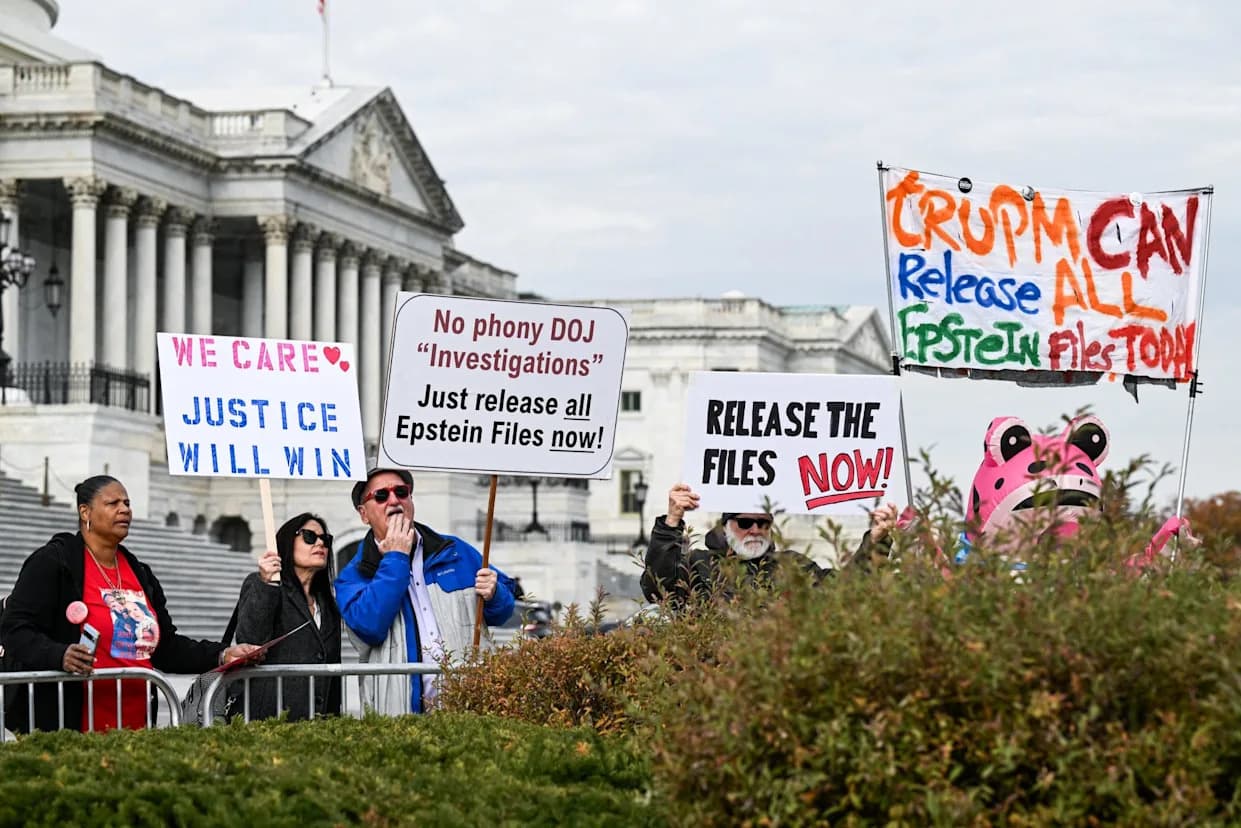
Deadline looming: With the congressionally mandated deadline of 19 December approaching, all eyes are on the Justice Department and the files it must disclose about Jeffrey Epstein. President Trump signed a bipartisan bill on 19 November that requires the U.S. attorney general (named in the legislation as Pam Bondi) to make the documents public within 30 days.
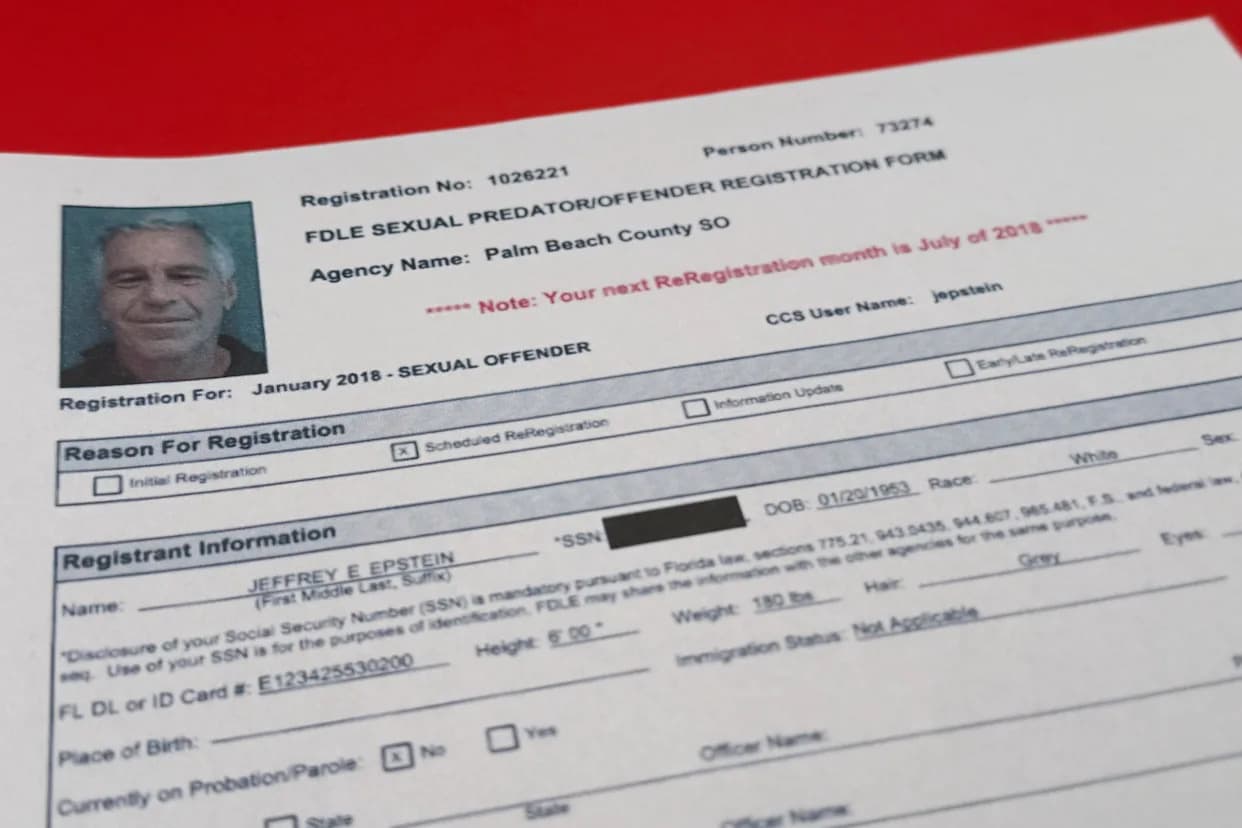
Advocates and survivors hope the release will explain how Epstein avoided meaningful prosecution for years despite repeated allegations from minors. Previous document releases have included damning communications and references to prominent individuals, and many expect additional names and exchanges to surface in this tranche.
Some observers anticipate the records could shed more light on President Trump’s past association with Epstein; previously released materials mentioned Mr. Trump multiple times. Mr. Trump has denied wrongdoing related to Epstein and reversed months of opposition before signing the disclosure bill.
Possible legal consequences
Legal experts warn that public disclosure could have multiple effects. Sam Bassett, a criminal defense attorney, notes that many states have expanded statutes of limitations for child sexual abuse and that federal law imposes no time limit on prosecuting sex crimes involving minors. If the files contain sufficient evidence, prosecutors could open investigations or pursue charges in jurisdictions where prosecution remains viable.
"It is possible, depending on the jurisdiction," Bassett said, while cautioning that the passage of time and practical constraints mean prosecutors will likely be selective about which cases to pursue.
Spencer Kuvin, an attorney for several Epstein survivors, urged investigators to treat the files as actionable intelligence. "Every name, every communication, every corroborated act that points toward facilitation, cover-up, or participation in Epstein’s trafficking network should trigger renewed investigative scrutiny," Kuvin said.
Social and institutional fallout
Beyond possible criminal exposure, individuals newly implicated could face reputational damage and social ostracism. Kuvin argued that those who maintained contact with Epstein after his Florida conviction should be viewed as complicit or facilitators. Survivors and their lawyers say transparency must be a first step toward accountability and institutional reform.
Some advocates call for a comprehensive, independent inquiry. Kuvin and others compared the scope of potential revelations to the work of a commission like the 9/11 panel — a public, subpoena-powered investigation that could map Epstein's network, identify systemic failures and recommend safeguards to prevent future abuses.
Concerns about redactions and classification
Skepticism persists about how complete any public release will be. The law bars redacting names solely to protect reputations, but it allows withholding material that could jeopardize ongoing investigations. Critics worry that probes opened into figures such as former president Bill Clinton and LinkedIn co-founder Reid Hoffman — neither accused of sexual misconduct in connection with Epstein — could be used to justify withholding documents.
Observers also note that the president retains broad authority to classify information on national security grounds, which could further limit disclosure. Some fear selective releases that embarrass political opponents while shielding allies.
Next steps and differing views
If the files are released as required, experts disagree about the best public response. Some, including Carlson and Kuvin, hope bipartisan momentum will produce cross-party cooperation and a formal public accounting. Others warn that deep public mistrust could undermine the legitimacy of any commission-style inquiry.
Jennifer Plotkin, whose firm represents dozens of Epstein survivors, urged the government to accept responsibility and resolve outstanding failures rather than continuing litigation with survivors.
Bottom line: The December deadline could produce revelations with legal, social and institutional consequences, but the ultimate impact will depend on the contents of the files, how much is released without redaction, and whether independent investigators are empowered to follow the evidence.