Imran Khan’s son, Kasim, says the former prime minister is being held in solitary confinement in a windowless cell and has been denied phone calls, medical access and family visits despite court orders. Family members and PTI supporters have staged protests outside Adiala jail and are seeking contempt proceedings to enforce visitation rights. The family has appealed to UN human‑rights mechanisms, which have previously described Khan’s detention as arbitrary. They allege a pattern of abuse that they say amounts to torture and warn authorities will be held accountable if Khan’s safety is compromised.
Imran Khan’s Son Says Former PM Is Held in a 'Death-Row' Cell and Cut Off from Family

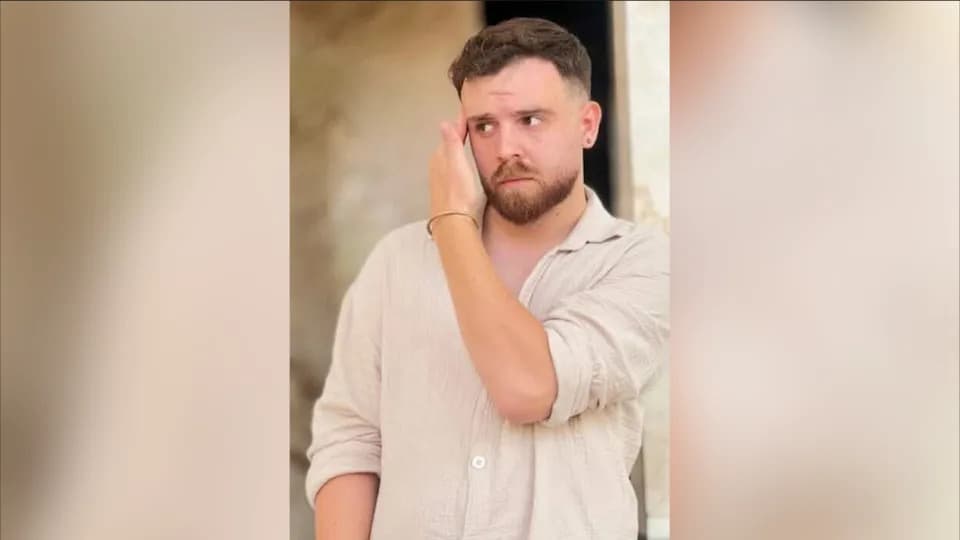
Imran Khan’s son, Kasim Khan, has accused Pakistani authorities of keeping the former prime minister in prolonged solitary confinement in a windowless cell typically reserved for death‑row prisoners, with no meaningful contact with the outside world. Family members and supporters have demanded proof that Khan is alive and access to him despite court orders allowing visits.
"He has been kept in solitary confinement in a death cell with zero transparency. There have been no phone calls, no meetings and no proof of life," Kasim said.
Kasim, who lives in London, told reporters his father has been confined for roughly 22 hours a day, denied visits from the family’s chosen doctor and cut off from regular phone contact. He said contact has sometimes been restricted for months and that the environment — with limited sunlight and poor ventilation — appears intended to break Khan physically and mentally.
"Keeping him in a death cell 22 hours a day, denying him his doctor, restricting family calls for months at a time — that is psychological torture. It's calculated cruelty designed to break him," Kasim said, adding that his family has appealed to the United Nations and international human‑rights bodies for intervention.
Family protests and legal steps
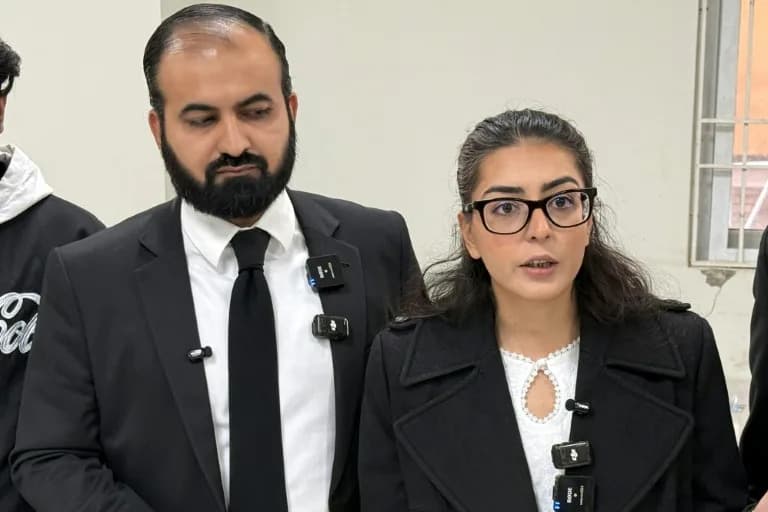
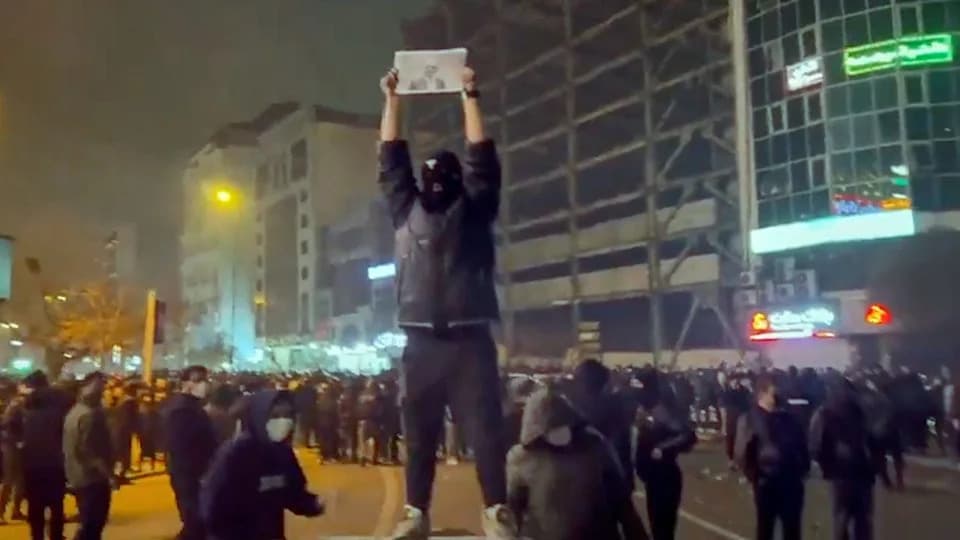
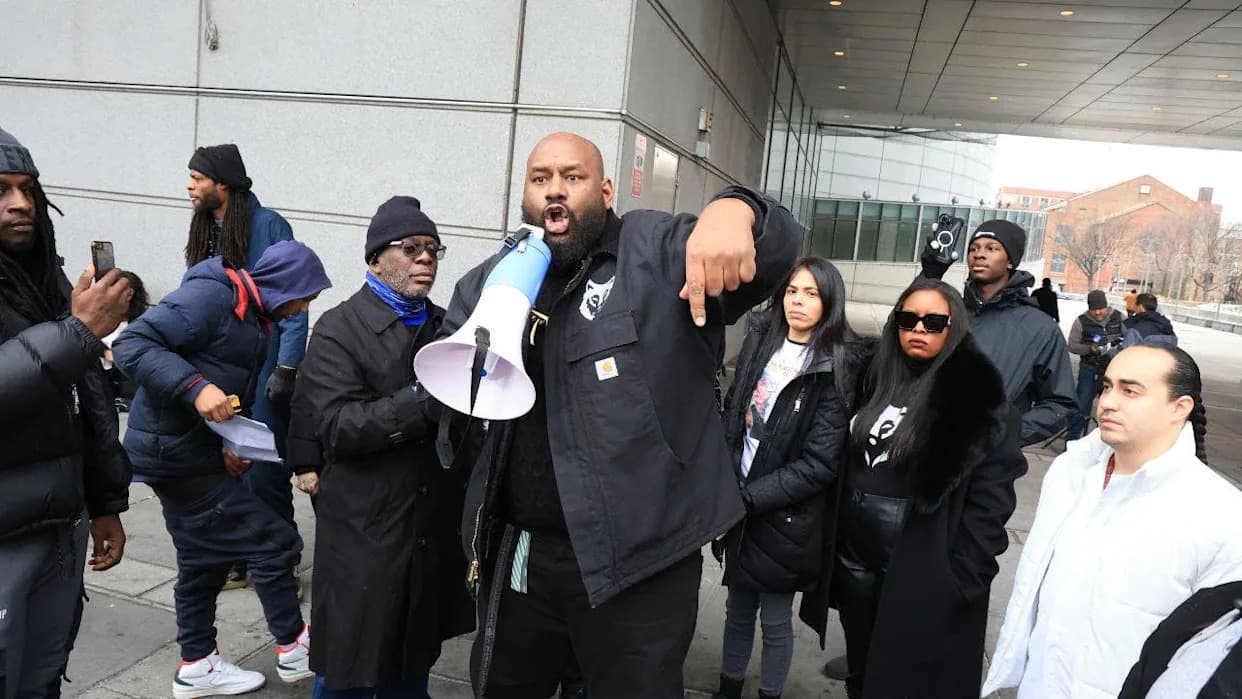
Relatives, including Khan’s mother Jemima Goldsmith and his three sisters — Noreen Khan, Aleema Khan and Uzma Khan — along with senior leaders from his Pakistan Tehreek‑e‑Insaf (PTI) party, have held repeated protests outside Adiala jail in Rawalpindi demanding access and proof of Khan’s wellbeing. The family later sought contempt proceedings in the Islamabad High Court against the jail superintendent, alleging defiance of court orders granting visitation rights.
The family also alleges physical mistreatment of visitors: Kasim and his sisters said police officers assaulted and dragged them when they attempted to reach the jail. Rumours that Khan had died in custody circulated widely but were denied by both the government and PTI.
Allegations, legal status and international scrutiny
Khan is serving a 14‑year sentence in a corruption case related to the Al‑Qadir Trust. Prosecutors allege Khan and his ex‑wife received land through a trust as a bribe; both have pleaded not guilty and PTI says the land was intended for an educational institution. Kasim has described the prosecutions as politically motivated, arguing Khan has been targeted for challenging the establishment and mobilizing large public support.
In March 2024 the UN Working Group on Arbitrary Detention described Khan’s detention as arbitrary and politically motivated. Kasim and other family members have asked Dr Alice Edwards, the UN Special Rapporteur on Torture, to investigate alleged abuses in custody, including prolonged solitary confinement, denial of medical care, contaminated food and restricted access to legal counsel and family — conditions they say amount to torture or other cruel, inhuman or degrading treatment.
Kasim and his brother Sulaiman have travelled abroad to press for international pressure and to seek permission to meet their father. They say they have been threatened with arrest if they attempt to visit. The family continues to pursue legal remedies at home and appeals to international bodies to secure regular access and ensure Khan’s safety.
The allegations and the family’s international appeals have intensified public attention and protests, while officials and supporters remain at odds over Khan’s treatment and the broader political context behind his conviction.
Help us improve.