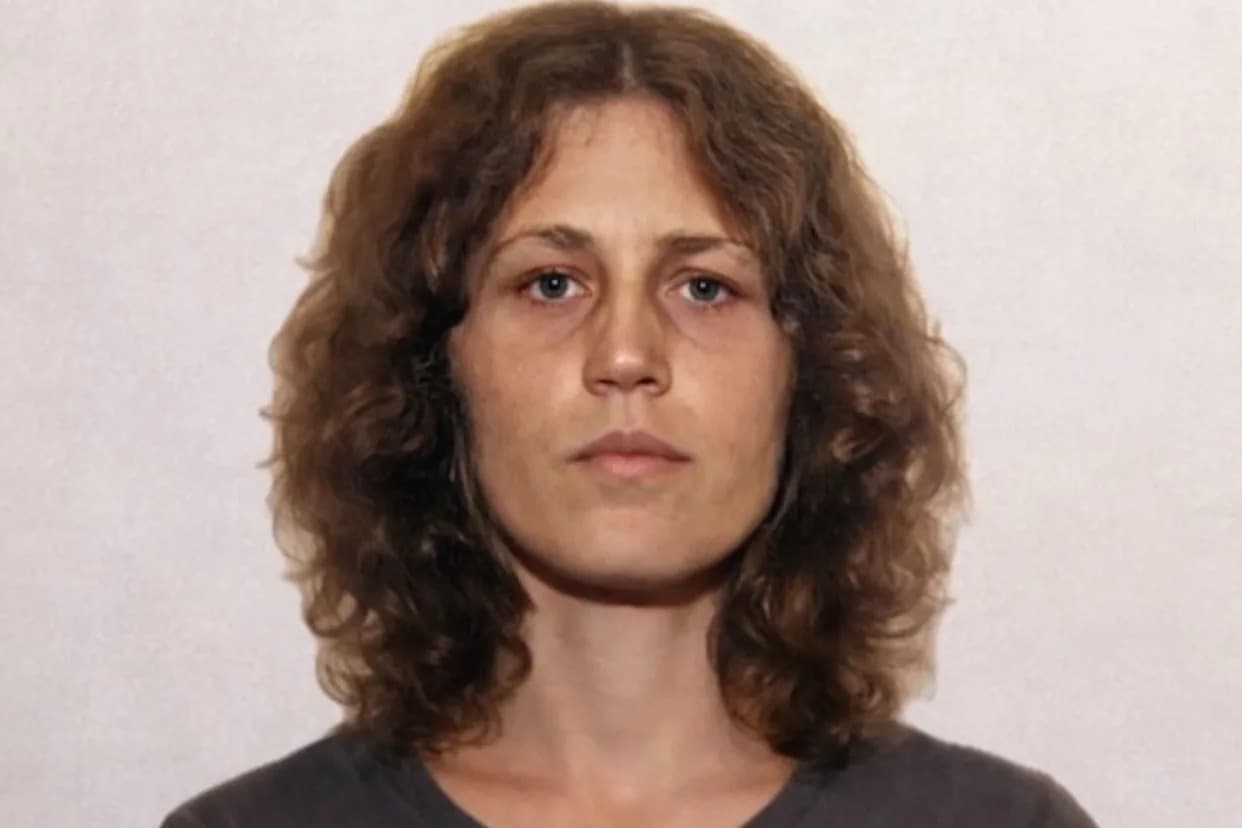
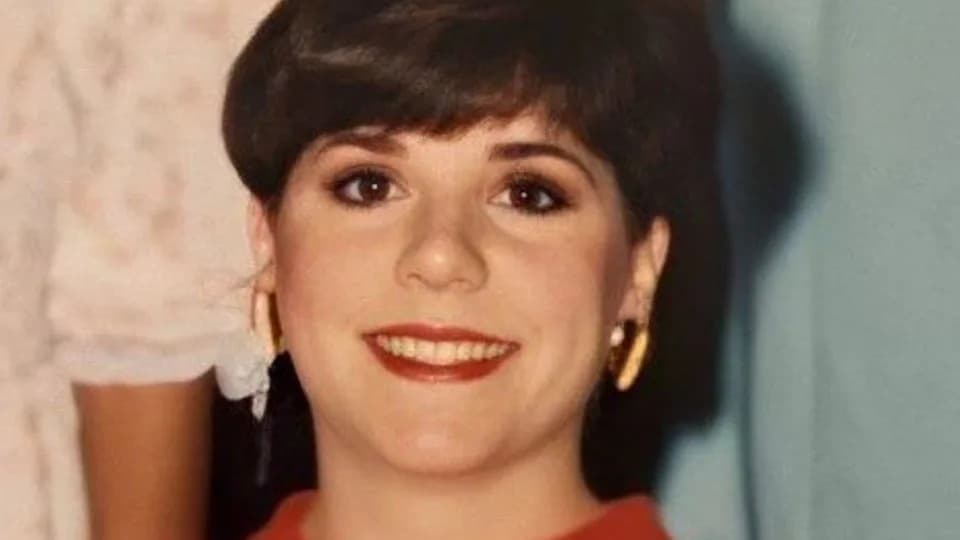
Investigators used genealogy-based "ancestral DNA" to identify remains found in 1990 as JoAnn Marie Rozell, who went missing in 1989 after leaving a bowling alley. The method compares unidentified DNA to commercial ancestry databases to find relatives and build family trees. Similar techniques have helped solve other cold cases in Oklahoma, and authorities now plan to investigate Rozell’s final movements and seek tips from the public.
Ancestral DNA Breakthrough Identifies Woman Missing Since 1989 in Canadian County
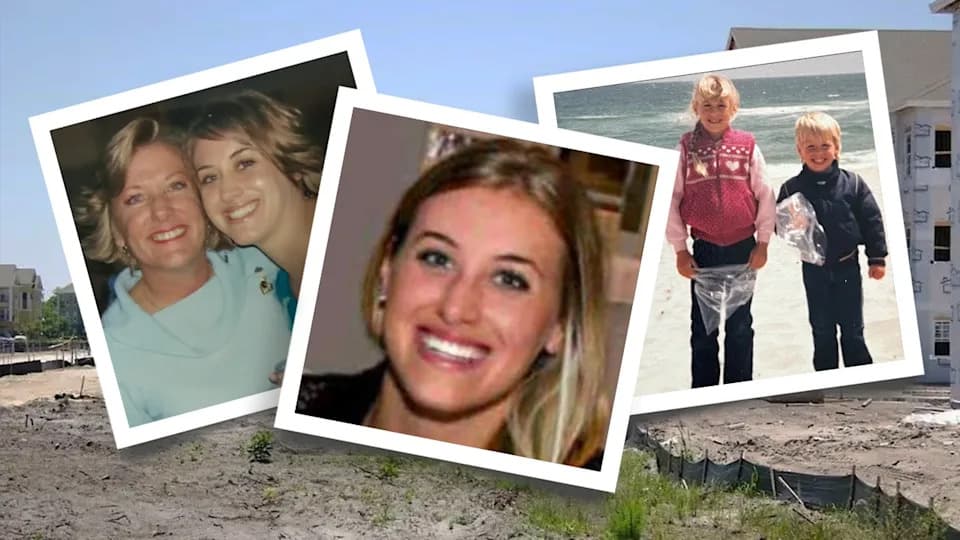
Investigators in Oklahoma have used genealogy-based DNA techniques to identify remains found in 1990 as 29-year-old JoAnn Marie Rozell, who disappeared after leaving Meridian Lanes bowling alley in 1989. The identification is the latest example of how modern DNA and ancestry databases are giving new life to long-unsolved cases.
Maj. Adam Flowers of the Canadian County Sheriff’s Office said the remains were recovered from a rural field in 1990 but could not be identified at the time because DNA technology was still in its infancy.
"In 1990, the remains were located and recovered, and it wasn’t until three or four weeks ago that we got a positive match on those remains," Flowers said.
Flowers noted that earlier investigators preserved the evidence properly, anticipating advances in forensic science. That foresight allowed officials to submit DNA samples from cold-case evidence to an ancestral DNA laboratory, which compared profiles against large commercial genealogy databases to find likely relatives and build family trees pointing to a modern identity.
How the technique works: By comparing an unidentified profile to millions of voluntarily submitted ancestry profiles, genetic genealogists can locate close and distant matches, identify likely relatives and reconstruct family lines until they pinpoint a likely identity. Agencies across Oklahoma have begun using this approach in cases where traditional DNA matching yields no results.
Oklahoma State University forensic scientists have used similar methods in Stillwater to pursue identification of decades-old remains of an unknown infant. Officials in Oklahoma City also applied ancestral DNA to identify the person responsible for a 1976 homicide, providing long-awaited answers for the victim’s family. In 2023, researchers announced that DNA from remains exhumed in searches related to the Tulsa Race Massacre had produced profiles that could be traced to living relatives.
With Rozell’s identity confirmed, Canadian County investigators say they will begin tracing her associates, friends and family to reconstruct her last known movements and determine what happened. "We can start finding out who her associates, friends, family are, get some ideas on what happened and why she left that bowling alley," Flowers said. "We are putting all of our resources together to figure out what happened."
Anyone with information about JoAnn Marie Rozell’s disappearance in 1989 is asked to contact the Canadian County Sheriff’s Office.
Help us improve.