Sheikh Hasina was sentenced to 21 years in prison after convictions in three corruption cases involving the Purbachal New Town land allocations, with each seven-year term ordered to run consecutively. Her son Sajeeb Wazed and daughter Saima Wazed received five-year sentences in one of the cases. Hasina, who is in exile in India, had earlier been given a death sentence in a separate trial; all proceedings have been held in absentia. The Anti-Corruption Commission filed the cases after her ouster, and another verdict is expected on Dec. 1.
Sheikh Hasina Sentenced to 21 Years in Purbachal Land Corruption Cases; Trials Held In Absentia

Former Bangladeshi prime minister Sheikh Hasina has been sentenced to a total of 21 years in prison after being convicted in three separate corruption cases related to allocations of plots in the Purbachal New Town housing project. A Dhaka special court found that Hasina illegally secured land for herself and family members despite their ineligibility.
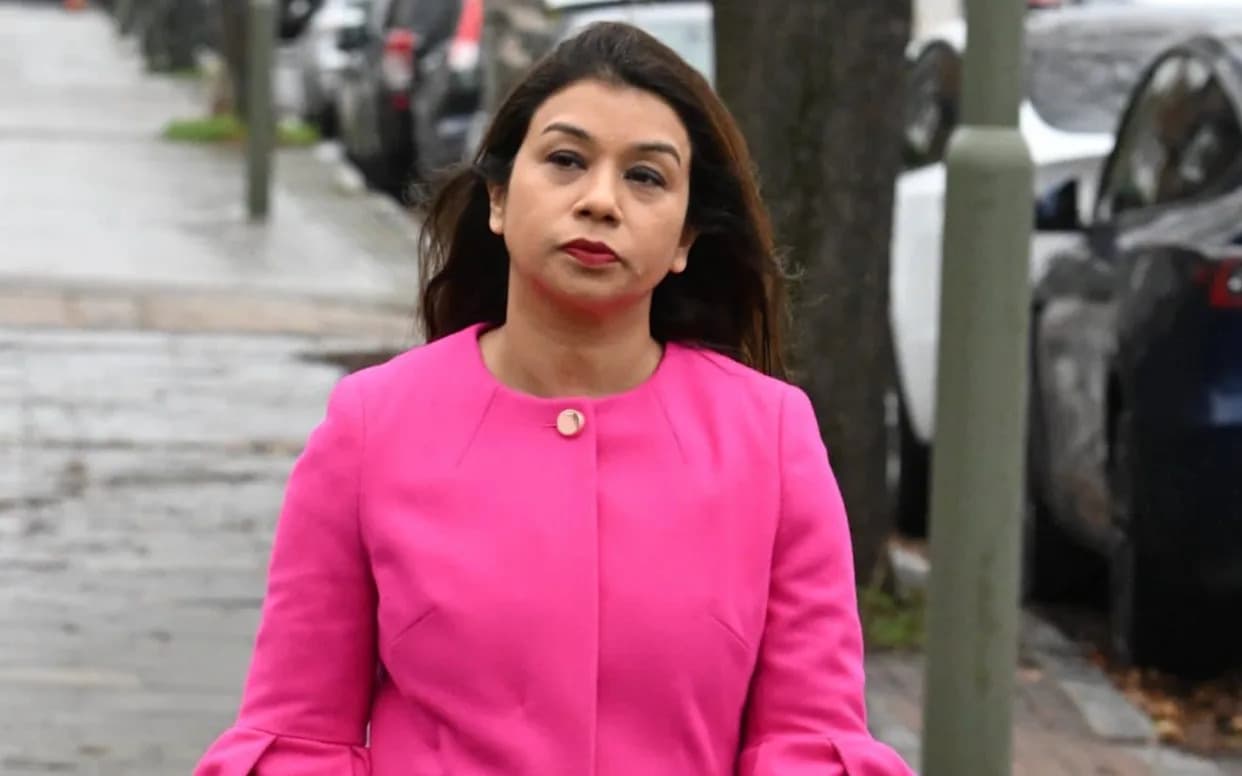
Each of the three verdicts carried a seven-year prison term, and Judge Mohammad Abdullah Al Mamun ordered the sentences to be served consecutively. In one of the cases tied to the Purbachal project, Hasina's son, Sajeeb Wazed, and daughter, Saima Wazed, were each sentenced to five years in prison.
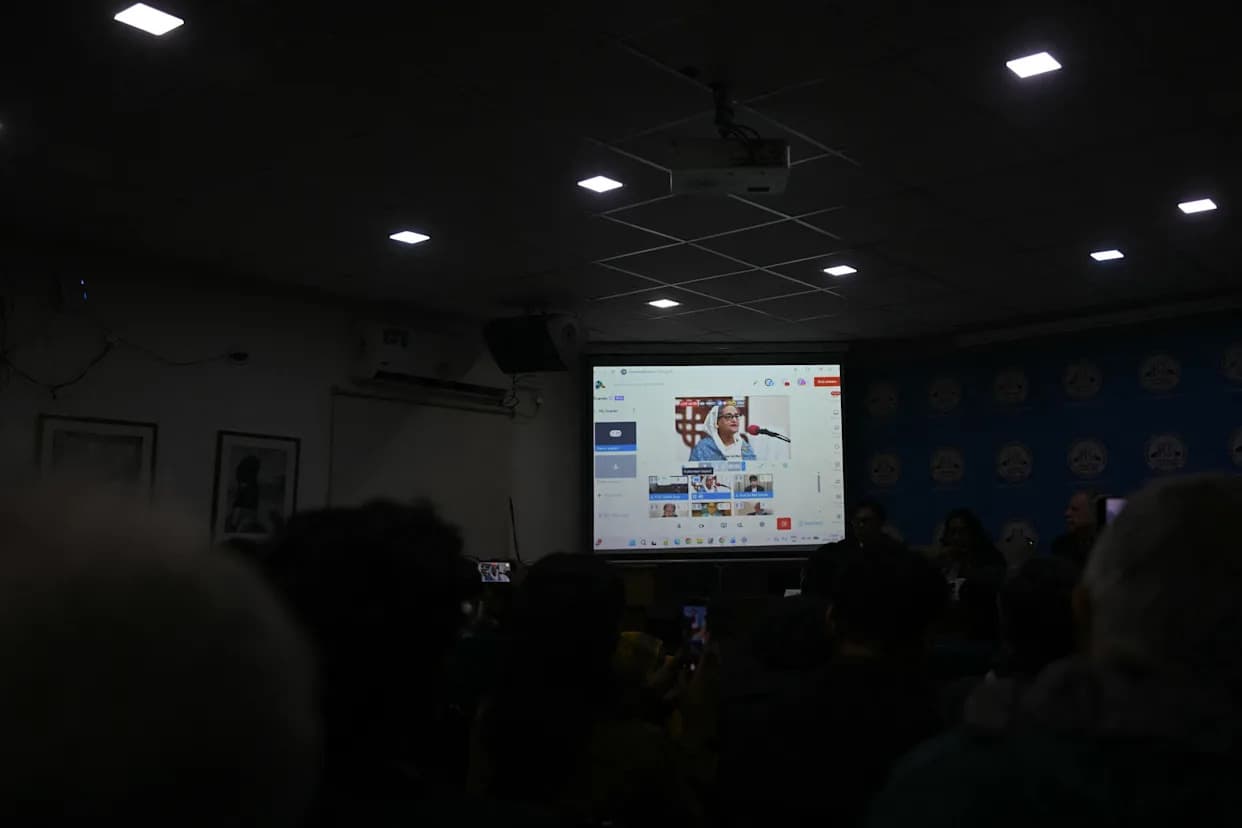
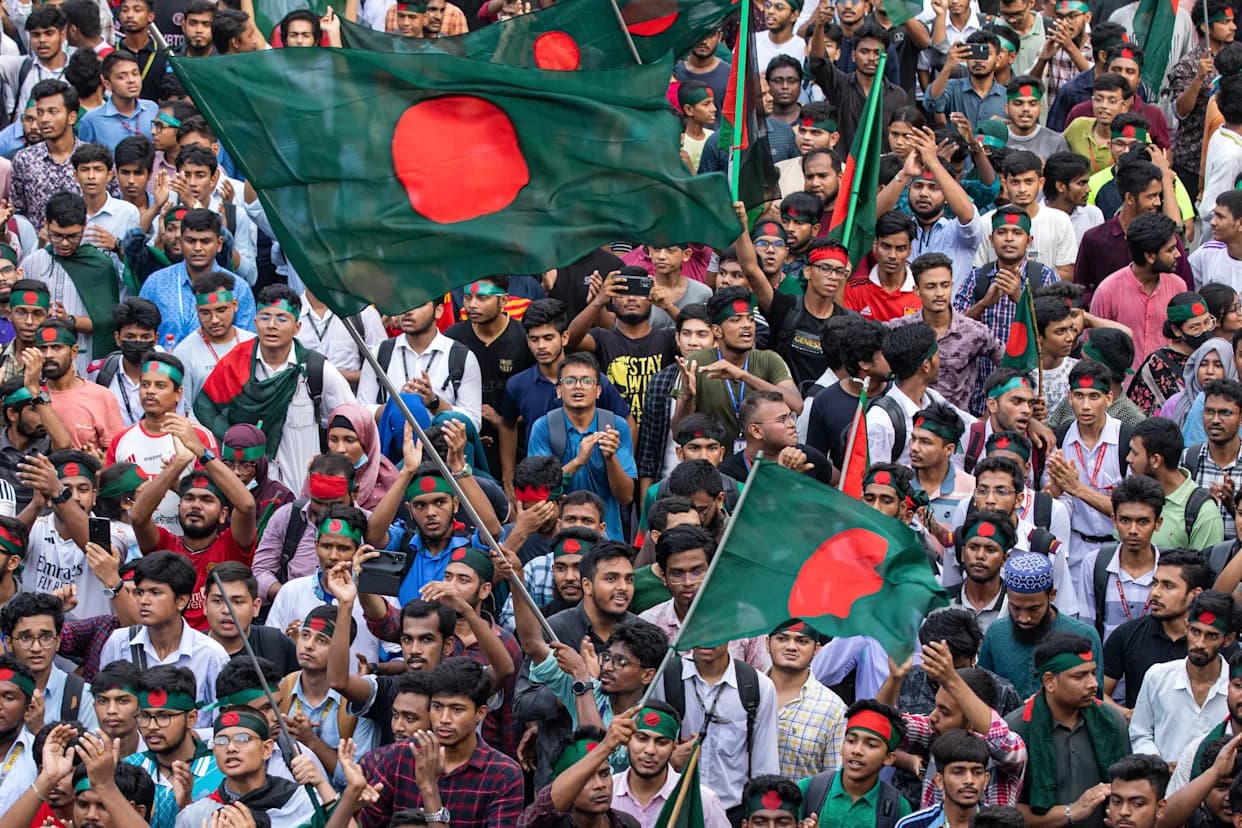
Hasina is already facing a separate death sentence issued earlier this month in a distinct trial that convicted her of crimes against humanity in connection with the crackdown on the mass uprising that ended her 15-year rule last year. She remains in exile in India and did not attend the proceedings; all trials against her have so far been conducted in absentia.
The Anti-Corruption Commission brought the three Purbachal-related cases after Hasina's removal from office. Authorities are pursuing multiple suits linked to the land project, and another verdict in a separate case is expected on Dec. 1.
Hasina and the Awami League have denounced the trials as politically motivated. Human rights organizations have questioned the fairness and credibility of the in-absentia proceedings, and reports say Hasina did not appoint defense counsel for these trials.
Bangladesh is currently governed by an interim administration led by Nobel Peace Prize laureate Muhammad Yunus as the country navigates a difficult political transition; national elections are scheduled for February. The rulings are likely to shape a charged political environment in the run-up to the vote.
Help us improve.