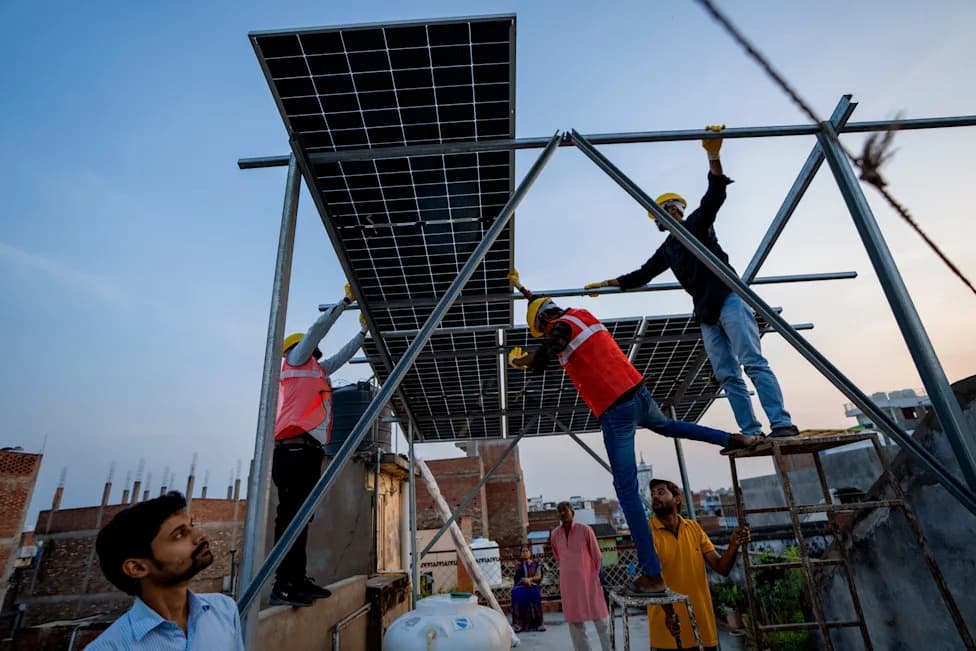
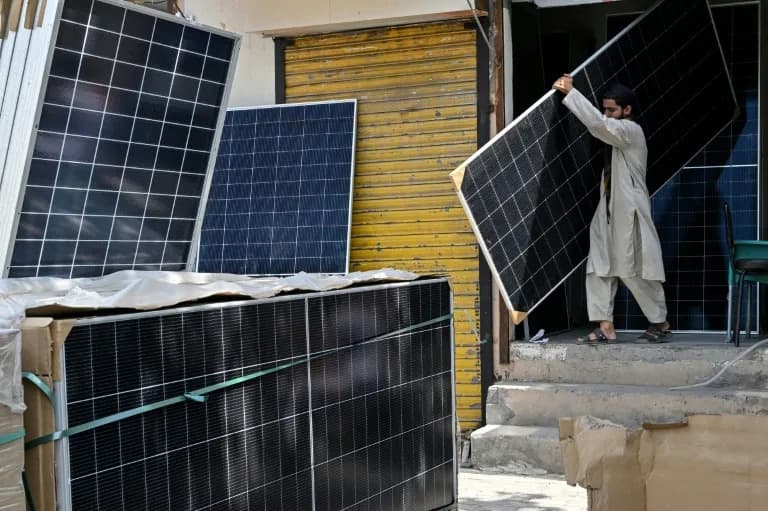
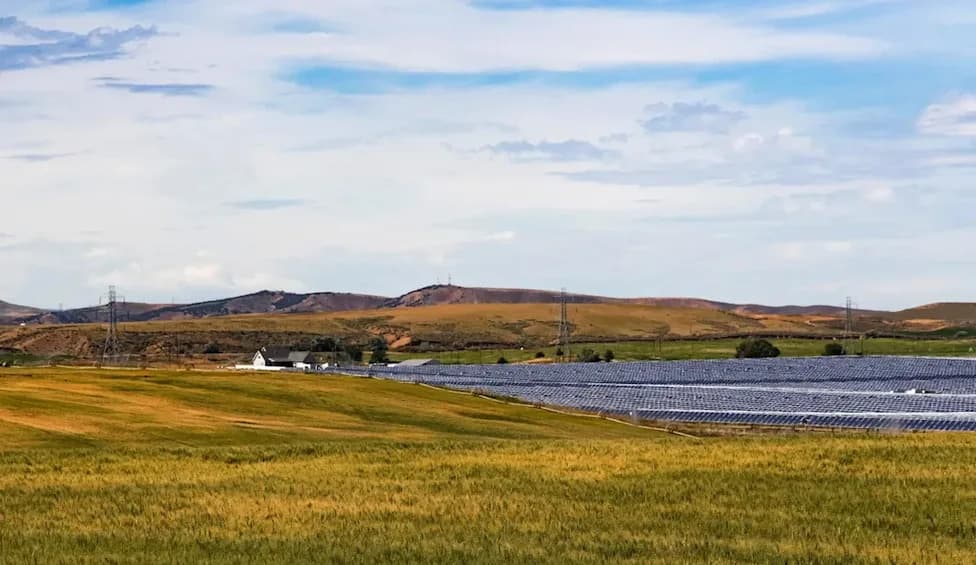
Abundant, low‑carbon energy could transform daily life and global systems by strengthening food and water security, scaling precision agriculture and desalination, and enabling large‑scale carbon removal and circular materials. Current clean‑energy investments (about $2.2 trillion) and the rapid growth of renewables — which made up ~92% of new power capacity in 2024 — are shifting the energy landscape. Major benefits are possible, but social and policy choices will determine whether gains are equitable and not squandered on wasteful consumption.
What Cheap, Clean, Near‑Unlimited Energy Could Let Us Do

Imagine energy that is plentiful, inexpensive, and carbon‑clean. With it you could live in homes engineered for comfort year‑round; swim in heated pools filled with ultra‑pure recycled water; grill factory‑cultivated steaks with perfect marbling; visit restored nature reserves on land reclaimed from mines and farms; and travel quietly and comfortably in autonomous vehicles. Reliable, long‑range weather forecasts would let you plan weeks of activities ahead, and much of our waste could be broken down into elemental parts ready to be remade into shoes, cars and refrigerators.
Energy access has long been central to rising prosperity — longer lives, higher incomes and greater productivity. But availability, cost and environmental impacts constrained how societies could use power. Now a new wave of clean energy technologies is delivering vastly more power and scaling quickly. When cheap, low‑carbon energy is widely available, it unlocks opportunities to solve pressing problems and invent entirely new applications.
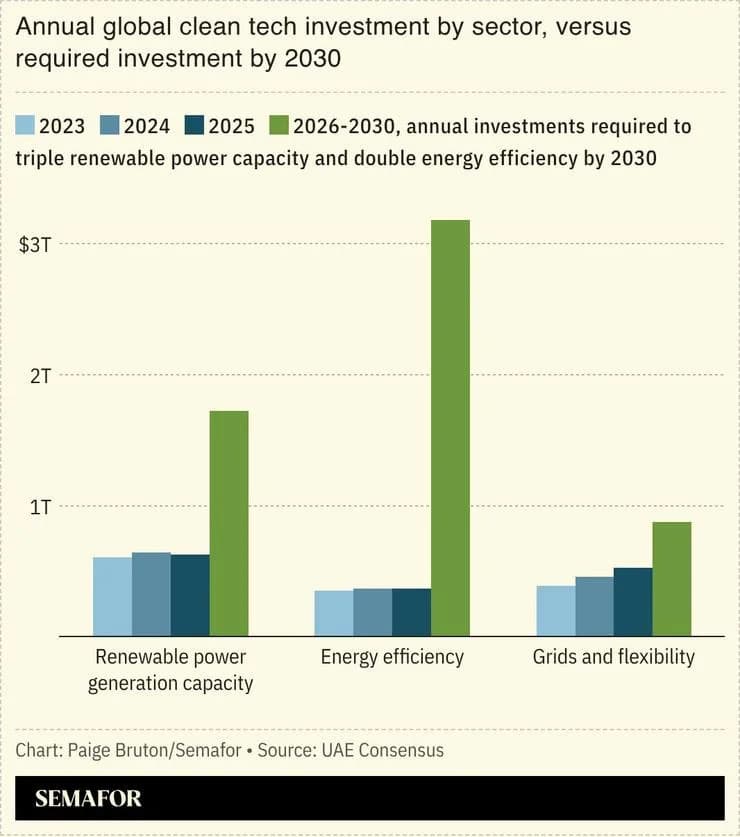
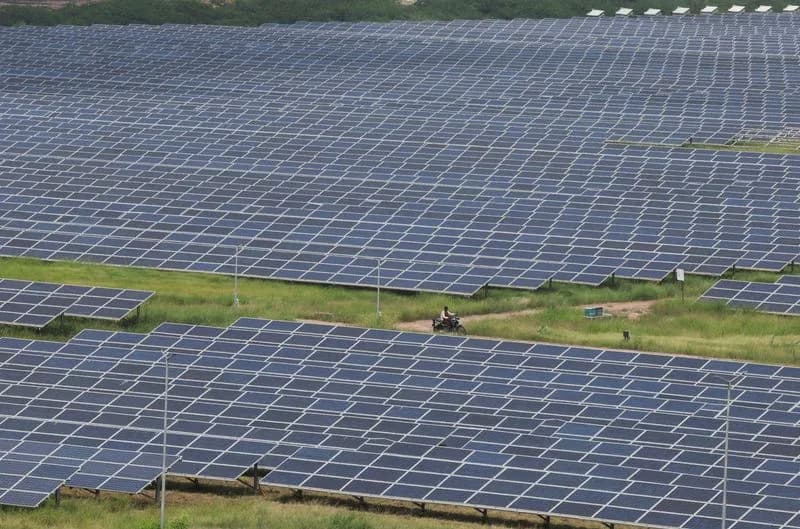
This year the world is poised to spend about $2.2 trillion on clean energy — wind, solar, hydropower and nuclear, plus grid upgrades, energy storage and efficiency. That investment is reducing emissions risk, but its more immediate appeal is economic: clean energy increasingly delivers large amounts of inexpensive, reliable power to meet growing demand.
Reframing the mission
If the transition is framed not only as emissions‑cutting but as a mission to expand access to cheaper, better power, the benefits become more tangible in everyday life. Cheap, clean electricity unlocks new industries, reduces political frictions and helps repair environmental damage. We pursue energy not for its own sake but to heat, move, feed and manufacture more effectively.
Where the world stands
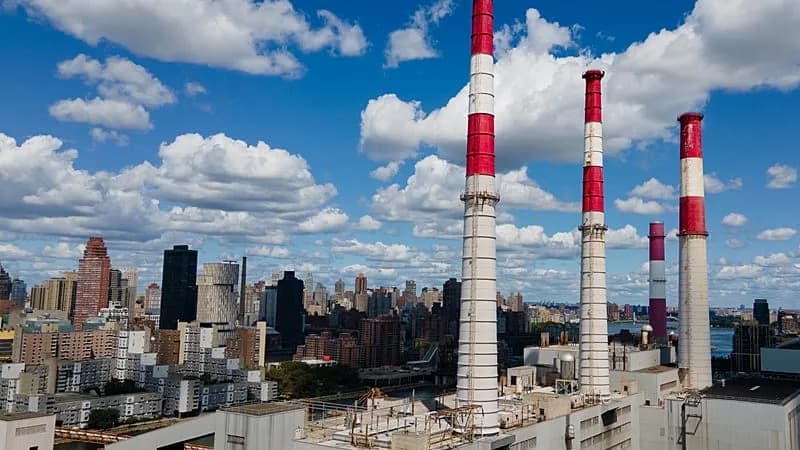
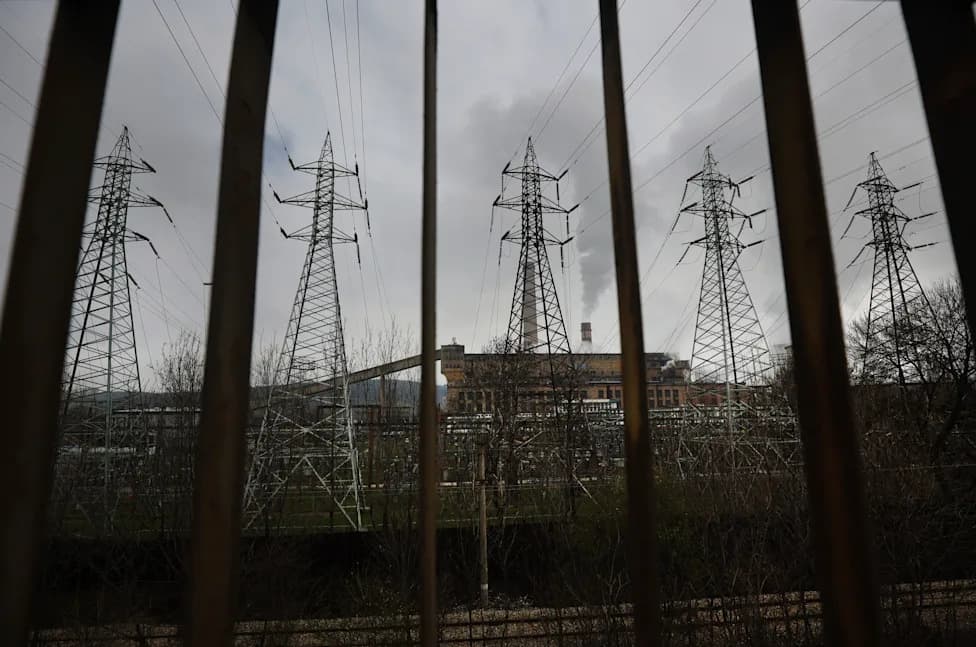
Global energy use today is roughly 186,000 terawatt‑hours per year — the equivalent of about 58 times the combined output of every nuclear plant on Earth. Oil, coal and natural gas still supply roughly 76% of the world’s energy. In 2024 the world emitted a record 53.4 gigatonnes of carbon dioxide equivalents, of which energy consumption contributed about 37.8 gigatonnes (roughly 70%).
Burning fossil fuels accounts for approximately 75.7% of global greenhouse gas emissions; agriculture about 11.7%, industry 6.5%, waste 3.4% and land‑use change 2.7%. About 21% of global energy consumption today goes to producing electricity. Wind, solar and hydropower made up roughly 92% of newly added electricity capacity worldwide in 2024. Forecasts suggest global electricity demand could double — or in some scenarios even triple — by 2050 depending on economic growth.
Biggest near‑term gains: food and water
If electricity availability increases substantially, food and water are where each additional BTU delivers the most widespread benefit. Agriculture already consumes large amounts of energy and is responsible for about one‑third of global greenhouse gas emissions. Fertilizer production alone contributes roughly 5% of global greenhouse gases — more than aviation and shipping combined — because most fertilizer relies on natural gas as a feedstock.
With abundant clean power, producing zero‑emissions fertilizer at scale would raise yields from existing farmland while electric tractors and trucks could decarbonize distribution. Scaling yields on current farms is essential to avoid converting forests and wildlands into new agricultural acreage.
Indoor and vertical farming methods already in use could expand with cheaper energy to power lights, pumps and climate control, enabling year‑round production close to population centers. That would cut transport needs and land‑use pressure.
Water scarcity could be addressed through desalination and advanced purification. Two‑thirds of the planet is covered in water; distillation and reverse osmosis can turn seawater into fresh water but are energy intensive. Very low‑cost electricity could make desalination and large‑scale purification feasible for many communities, allowing rivers and aquifers to recover and reducing water‑related conflicts.
Changing how we produce food
Precision fermentation and related bioprocesses let microorganisms produce proteins, fats and other nutrients normally sourced from animals. These “breweries” can make milk, egg and meat ingredients from captured carbon and hydrogen. As renewable power becomes cheaper they could scale to supply significant shares of our diets with far less land, water and emissions.
Cultivated whole‑cell meat is advancing from lab to market, though it remains expensive and faces regulatory and consumer‑acceptance hurdles — several U.S. states have imposed restrictions on lab‑grown meat. If scaled, cultivated meat could sharply reduce livestock’s environmental footprint and ethical concerns tied to industrial animal agriculture.
Computing, AI and energy
Access to computing power underpins many emerging industries. Data centers are already a growing driver of electricity demand, and speculation about their future needs has pushed up local electricity prices in some regions. If energy constraints ease, advanced computing could become more widely accessible, accelerating clean‑energy deployment through better permitting, materials design, weather forecasting and demand modeling.
Policymakers can manage negative impacts by requiring large tech firms to post deposits for future power needs, mandating on‑site generation and storage for big facilities, and incentivizing load shifting to low‑demand hours. Meanwhile, hardware and software efficiency are likely to continue improving.
Removing carbon and using it
Even with aggressive decarbonization, the world may need to remove carbon dioxide from the atmosphere to limit warming. Humanity currently emits more than 40 gigatonnes of CO2 per year; in 2024 total greenhouse gas emissions hit 53.4 gigatonnes CO2e. Options include point‑source capture at industrial facilities, direct air capture (DAC), ocean‑based capture and enhanced weathering, which accelerates natural rock‑weathering processes to lock carbon into minerals.
DAC is energy intensive and currently expensive — around $500 per ton today — with targets to reduce costs toward $100 per ton. Captured CO2 can also be turned into useful products: synthetic fuels, polymers, concrete additives and chemicals, creating a potential trillion‑dollar circular market while substituting for virgin inputs.
Closing material loops
Many synthetic materials, especially plastics, do not biodegrade, and conventional recycling has struggled to keep up. Chemical recycling and technologies that break materials back into molecular building blocks are energy‑intensive. When electricity becomes very cheap, recycling can be cost‑competitive with producing virgin materials, enabling near‑circular manufacturing where products are made, disassembled and remade with minimal new extraction.
Transport: ships, planes and beyond
Transport is the second‑largest source of greenhouse gases. Passenger cars have a clear path to zero emissions via electrification, but larger modes are harder. Container ships now burn very cheap but highly polluting fuels; batteries are unlikely to scale to the largest vessels, but abundant clean electricity can produce zero‑carbon fuels such as hydrogen, ammonia, methanol or synthetic hydrocarbons for maritime shipping.
Aviation faces a steep energy‑density challenge. Short regional routes are testing electric aircraft, but long‑haul flights will likely rely on synthetic zero‑emissions fuels — which require vast quantities of low‑cost electricity — or on carbon removal to offset emissions until a technological breakthrough emerges.
From labs to markets and into space
A surplus of cheap, clean energy could make feasible many technologies still in the lab. Molecule‑first design could give us custom materials — shoes that bounce exactly right, insulation tuned to seasonal cycles, skin grafts that heal without scarring. Space access could become greener: using captured CO2 to offset launch emissions, producing rocket fuels with clean electricity, or deploying space‑based solar arrays that collect uninterrupted sunlight and beam power to Earth. In the longer term, asteroid mining could supply off‑Earth raw materials and reduce launch burdens.
New social and policy challenges
Even if technical dreams are realized, policy and social challenges remain. Millions of workers are employed across coal, oil and gas value chains; in the U.S. nearly 2 million people work in those sectors and will need pathways to new livelihoods or supported transitions. Greater energy abundance does not guarantee equitable access: in 2025 roughly 685 million people still lacked electricity, and supply increases must be paired with policies to extend access.
Cheap energy can also amplify wasteful consumption. Historical patterns show societies often channel new energy into larger homes, longer commutes and bigger vehicles. Avoiding repeat mistakes will require regulations, incentives and cultural shifts. And for many of the poorest communities, the deepest barriers to prosperity are not only energy shortages but governance failures, poor health care, and unstable institutions.
Abundant clean energy will not solve every problem, but it could expand what is possible: improving welfare, stabilizing climate outcomes and enabling new industries. The era ahead will be less constrained by physical scarcity and more shaped by political choices, imagination and deliberate policies to share benefits widely.
“Energy is prosperity,” said Eric Toone of Breakthrough Energy. “Energy is the capacity to do work. Energy is the capacity to build things, to make things, to move things.”
As researchers, investors and policymakers push these technologies forward, the civic questions become central: which uses of abundant energy do we prioritize, how do we manage dislocations, and how do we ensure equitable access so the benefits are widely shared?
Help us improve.