NASA has restricted Boeing’s next Starliner mission, Starliner-1, to cargo-only and pushed the earliest launch date to "no earlier than April 2026" while propulsion issues are tested and certified. Once Starliner completes certification and a successful cargo flight, it may perform up to three crew rotations to the ISS. The decision follows years of software and thruster problems, a crewed flight that experienced propulsion failures, and a program now more than $2 billion over budget. With the ISS scheduled for retirement around 2030, Starliner faces a narrow window to prove itself.
NASA Grounds Boeing’s Starliner for Crew: Next Flight Will Be Cargo-Only, No Earlier Than April 2026

NASA has notified Boeing that the Starliner spacecraft will not carry astronauts on its next scheduled mission. Under a modification to Boeing’s 2014 Commercial Crew contract, the first operational Starliner flight—Starliner-1—will be limited to cargo only and is tentatively scheduled for "no earlier than April 2026."
“NASA and Boeing are continuing to rigorously test the Starliner propulsion system in preparation for two potential flights next year,”
“This modification allows NASA and Boeing to focus on safely certifying the system in 2026, execute Starliner’s first crew rotation when ready, and align our ongoing flight planning for future Starliner missions based on station’s operational needs through 2030.”— Steve Stich, NASA Commercial Crew manager
The change effectively postpones Starliner’s return to crewed flights until after certification and a successful cargo demonstration. NASA’s statement says that once Starliner achieves certification and completes the cargo mission, the vehicle could perform up to three crew rotations to the International Space Station (ISS).
Troubled test history
Starliner’s path to crewed operations has been marred by repeated technical problems. In late 2019, the spacecraft’s first uncrewed test flight experienced major software errors that left it off course and prevented rendezvous with the ISS. A second uncrewed test in May 2022 suffered thruster issues but still managed to dock. The program’s first crewed mission the following summer also encountered propulsion problems; astronauts Butch Wilmore and Sunita "Suni" Williams reached the station but could not use Starliner for their return, extending their stay.
In March, a separate spacecraft returned Wilmore and Williams to Earth after NASA judged a Starliner return too risky. Complicating troubleshooting, Starliner’s service module was jettisoned and burned up on its uncrewed return to Earth in September 2024, removing hardware that could have helped isolate the root cause of propulsion failures.
Program impact and outlook
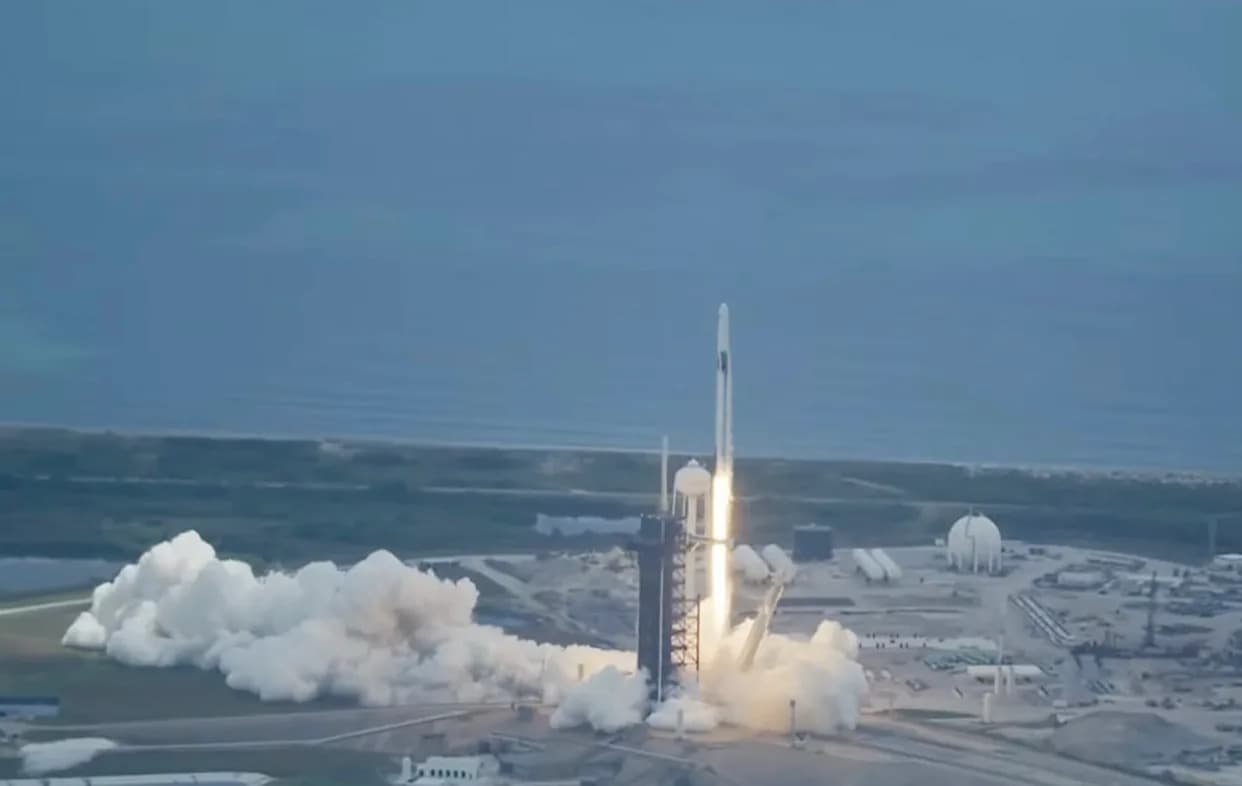
Financially and reputationally, Boeing has paid a steep price. The Starliner program is more than $2 billion over budget and remains years behind its originally planned 2017 operational start. By contrast, SpaceX’s Crew Dragon has completed a crewed test and multiple crew rotations to the ISS since 2019, becoming NASA’s primary commercial crew carrier.
NASA plans to operate the ISS through roughly 2030, which narrows the window for Starliner to complete crew rotations even if Boeing resolves the propulsion issues. For Boeing, the near-term priority is proving the propulsion system’s reliability and securing certification—steps NASA and Boeing say they will continue working on throughout 2025 and into 2026.
Until those milestones are met, NASA’s decision keeps astronauts off Starliner while preserving the option for future crewed flights if the vehicle demonstrates consistent, certified performance.
Help us improve.