Overview: The US- and Israel-backed Gaza Humanitarian Foundation (GHF) has ended its mission and closed its four mega-sites after a US-brokered ceasefire. The centralised distribution model replaced roughly 400 UN-run points and aimed to serve nearly two million people but was repeatedly marred by deadly shootings and crowd crushes. UN and OHCHR figures document more than 2,000 deaths around GHF sites and along aid routes, while GHF says it delivered over 3 million food boxes. The operation has prompted urgent calls for independent investigation and a reassessment of how humanitarian assistance is delivered in Gaza.
US-backed Gaza Humanitarian Foundation Ends Mission After Deadly Aid Distribution Incidents — Timeline

The Gaza Humanitarian Foundation (GHF), backed by the United States and Israel to coordinate aid deliveries in Gaza, has announced it is ending its mission and closing its distribution sites after a US-brokered ceasefire came into effect.
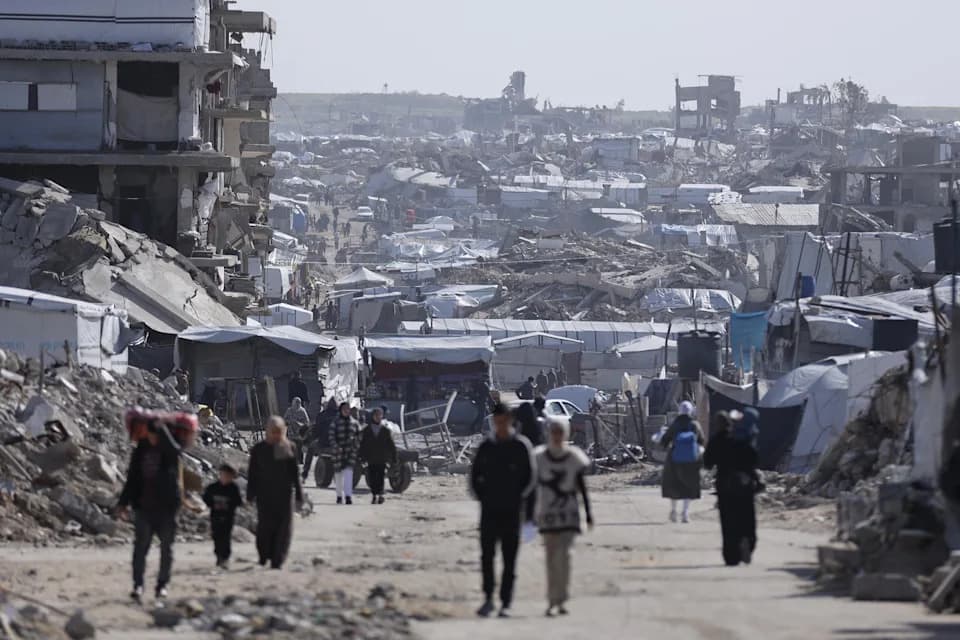
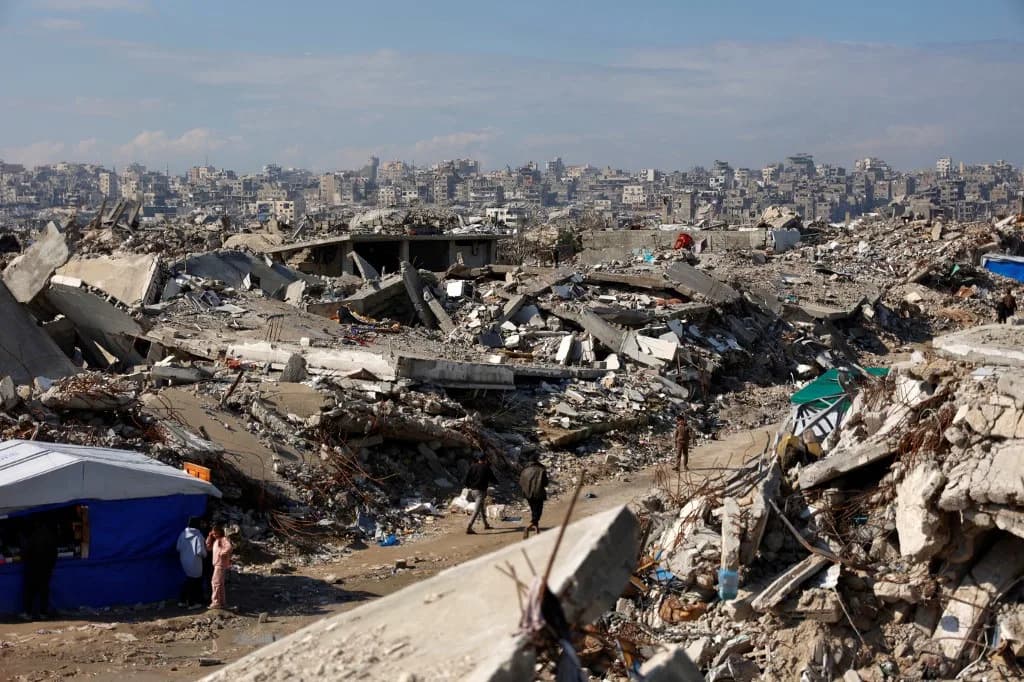
Established amid intense international pressure to allow humanitarian assistance into the besieged Gaza Strip, GHF was set up as an independent body to distribute aid after regular UN channels were restricted. Where the UN agency previously operated roughly 400 distribution points, GHF established four large "mega-sites" — three in southern Gaza and one near Gaza City — intended to serve nearly two million residents. Armed private security contractors protected these sites.
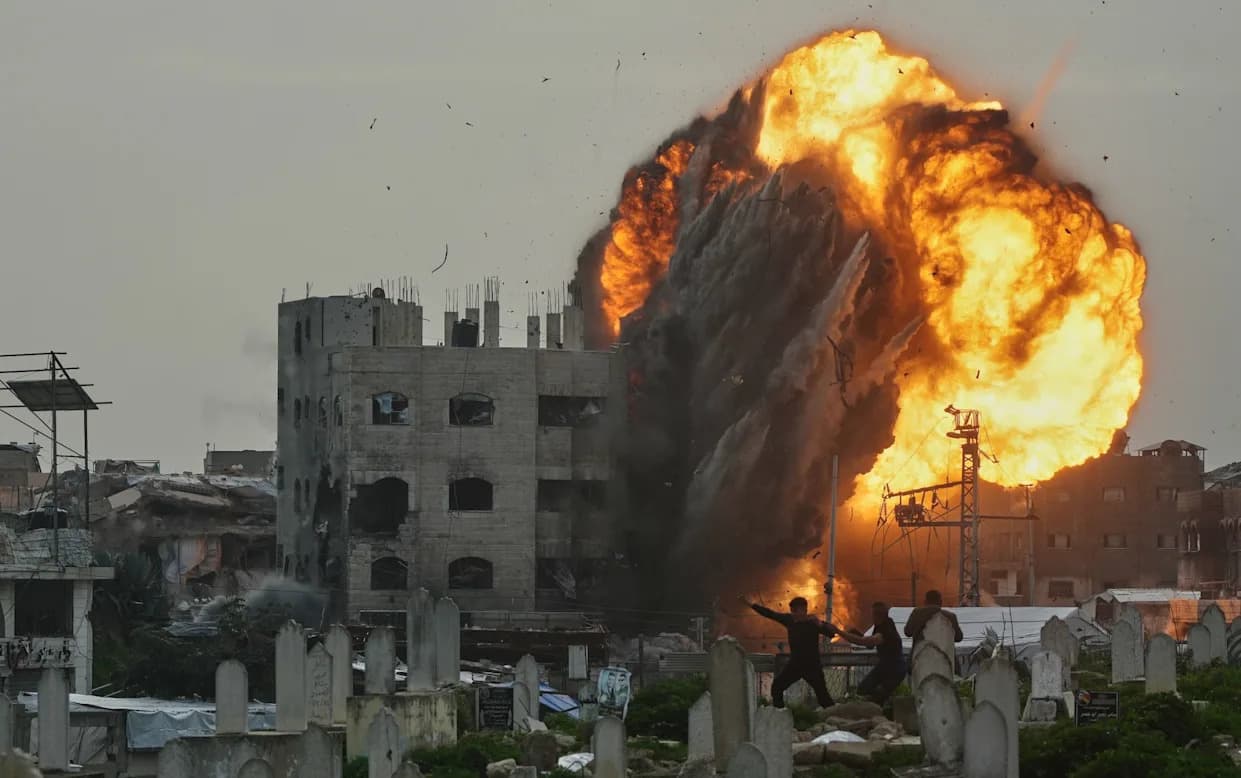
From the outset, the operation was controversial. UN agencies and many aid groups warned that concentrating distribution at a few large sites would increase risk and undermine broader relief efforts. In the months that followed, multiple distribution events became scenes of deadly chaos: crowds overwhelmed sites, some people suffocated in stampedes, and dozens were reportedly killed or wounded by gunfire near distribution points.
Timeline of major incidents
May 26 – GHF announced it would begin direct deliveries inside Gaza. Hours earlier, the agency's executive director, Jake Wood, resigned, citing concerns about the organisation's independence. Several UN and aid groups declined to participate, warning centralised distribution would endanger civilians.
May 27 – GHF began operations. In Rafah, southern Gaza, Israeli forces opened fire on large crowds attempting to reach food distribution points, killing at least 10 people and injuring dozens as desperate aid seekers pushed through fences and dense crowds.
May 29 – Additional firing at an aid point in southern Gaza reportedly killed 10 people and wounded many others. Later that day, explosions were reported near another distribution centre on the Netzarim Corridor; the cause was unclear and no immediate casualties were confirmed.
May 30 – Civilians queuing at a GHF distribution point on Salah al-Din Street in central Gaza were reportedly shot at, with at least 20 wounded.
June 1 – Attacks involving armoured vehicles killed at least 32 people waiting for food at two distribution sites and wounded more than 200 others.
June 3 – The UN Secretary-General condemned the killings and injuries of aid seekers as "unacceptable" and called for an independent investigation after forces opened fire near a distribution point in Rafah. Local health authorities reported dozens killed and many more injured in that incident.
June 8 – Reports indicate at least 13 people were killed and more than 150 injured when security forces and some private contractors opened fire on crowds near two GHF sites, including a location east of Rafah and another near the Wadi Gaza Bridge.
July 16 – A deadly incident at a southern Gaza distribution centre left at least 21 people dead after what witnesses described as gunfire that triggered a stampede; at least 15 suffocated while others were shot.
July 22 – UN sources reported that the number of Palestinians killed while trying to access food at GHF distribution points had surpassed 1,000.
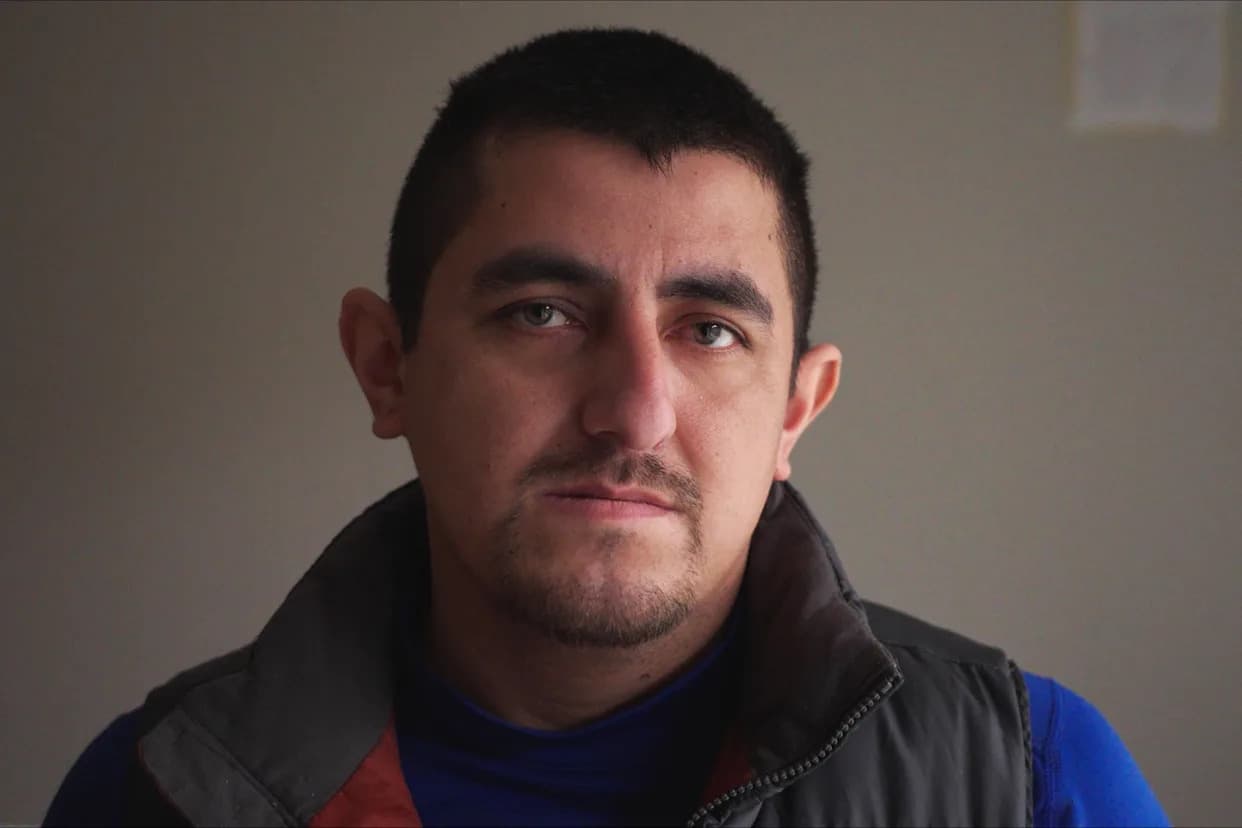
August 1 – A former GHF contractor described to reporters practices he called unprofessional and deadly at distribution sites, alleging use of heavy weapons for so-called warning shots against unarmed crowds.
August 2 – At least 38 people seeking aid at GHF-run sites were reportedly killed, despite public promises of tactical pauses intended to increase humanitarian access.
August 5 – A group of 28 independent UN experts called for the dismantling of GHF, describing the operation as an alarming example of aid systems being exploited for other purposes.
August 9 – Some humanitarian supplies were airdropped into Gaza by international partners. During one airdrop near the Netzarim Corridor, a teenager was tragically killed by a falling pallet.
September 4 – The UN Office of the High Commissioner for Human Rights (OHCHR) reported documenting over 2,146 deaths in the vicinity of GHF sites and along aid convoy routes.
October 12 – GHF confirmed it had suspended operations following a US-mediated ceasefire that took effect on October 10.
November 10 – A UK documentary featuring testimony from military personnel included descriptions alleging that some GHF guards opened fire even when no clear threat was visible.
November 24 – GHF announced it was ending its mission in Gaza following the ceasefire, stating it had distributed more than 3 million food boxes — which it equated to roughly 187 million meals.
Context and concerns
Officials and aid experts remain sharply divided over GHF's role and effectiveness. GHF leadership defended the operation as a necessary and reliable lifeline that delivered mass food assistance in a constrained environment. Critics — including UN experts, former contractors and local authorities — contend that the centralised model, security practices, and restrictions on established aid agencies contributed to unnecessary risk and significant civilian harm.
"Concentrating aid at a few sites risks turning relief into a focal point for violence and chaos," said an independent aid specialist who reviewed the events.
The full scale and legal implications of the incidents around GHF sites remain under scrutiny by international bodies and rights monitors. As humanitarian operations shift in the wake of the ceasefire, questions persist about how to deliver aid safely and effectively to civilians across Gaza.
Help us improve.