Key points: Daily and near-daily marijuana use has surged in recent decades, with nearly 18 million Americans reporting such use in 2022. Research estimates about 3 in 10 marijuana users may develop cannabis use disorder. Higher-potency products, wider legal access and social acceptance appear to drive more health problems and emergency visits, even as the proportion of those receiving treatment has declined. Experts call for clearer public education and easier, less stigmatized routes to care.
Marijuana Addiction Is Rising — Yet Fewer People Seek Treatment

Megan Feller began using marijuana in her teens and at one point smoked or vaped several times a day. She said she couldn’t eat, sleep or function without it, yet didn’t initially see a reason to seek help. “I didn’t think cannabis was a big deal,” the 24-year-old recalled. “It was really socially accepted.”
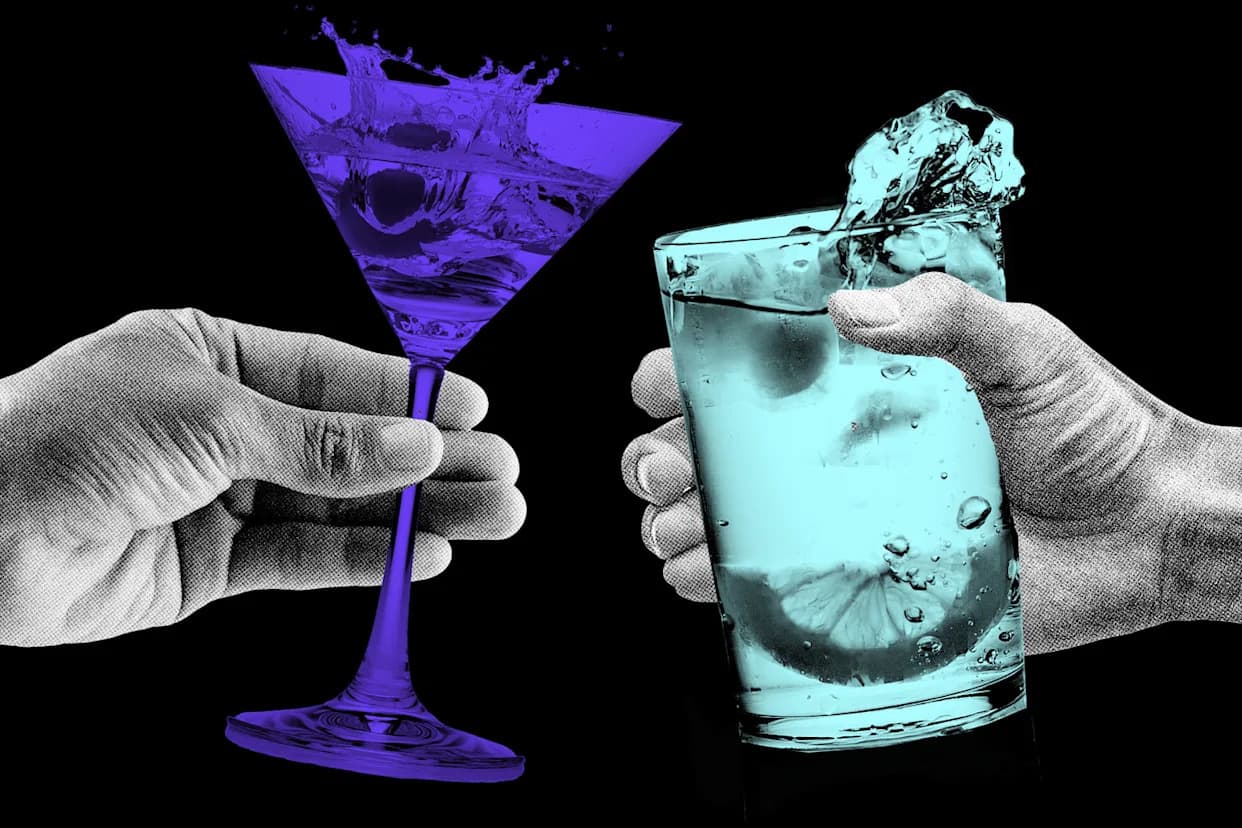
That perception helps explain a worrying trend: as marijuana becomes more available and socially accepted, daily use and rates of cannabis use disorder have increased — while the share of people getting treatment has fallen.
Rising use and growing disorder
Federal survey data show that nearly 18 million Americans reported using marijuana every day or nearly every day in 2022, up from fewer than 1 million about 30 years earlier. Researchers say this increase in frequent use has been accompanied by a rise in cannabis use disorder, a condition in which people crave marijuana and continue using it despite harm to their home, school, work or relationships. Studies estimate roughly three in 10 people who use marijuana will experience some degree of this disorder, which ranges from mild to severe.
Stronger products, different risks
Today’s cannabis products are much more potent than those of past decades. THC levels in flower and concentrates sold in dispensaries can reach 40% or more, compared with under 5% in the 1960s. Experts warn that heavier, more frequent use — especially of high-potency concentrates and vaping products popular with teens — is linked to problems with learning, memory and attention, chronic nausea and vomiting, lung issues for people who smoke, and a higher likelihood of earlier psychosis onset in those with genetic risk.
More access, more emergency visits
Legalization has expanded access: as of late June, 24 states permitted recreational adult use and 40 allowed medical use. Research has associated legalization with increased emergency-room visits for acute cannabis intoxication, where patients can experience rapid heart rate, dizziness, confusion or paranoia. Edibles pose a particular hazard because delayed effects can prompt repeated dosing and accidental toxicity.
Why treatment rates are falling
Despite rising need, fewer people with cannabis use disorder are receiving treatment. A nationally representative study found the share of people who got treatment for cannabis use disorder declined from 19% in 2003 to 13% in 2019. Researchers and clinicians point to greater social acceptance, expanding legalization and the belief that cannabis is harmless as key barriers to seeking help.
“There’s this pervasive belief that you can’t become addicted, it can’t actually be a problem,” said Dr. Jennifer Exo of the Hazelden Betty Ford Foundation. “It has to do with this myth that cannabis is safe, natural and benign.” Dr. Smita Das, an addiction psychiatrist, emphasized that cannabis can be addictive and cause real harm for some people.
Personal recovery and takeaways
Feller’s path illustrates common challenges: she entered treatment for alcohol in her early 20s, later sought care for cannabis use disorder, and has been sober from marijuana for nearly a year. “I’m so much happier now,” she said. “I don’t feel, like, shackled to a substance.”
Experts recommend better public education about risks, clearer guidance for young people and easier, less stigmatizing pathways to treatment. If marijuana use is negatively affecting your work, relationships or daily functioning, clinicians urge reaching out for support: evidence-based treatment and recovery resources are available.
Sources: Federal survey data; research studies on cannabis use disorder and emergency visits; interviews with individuals and clinicians including Dr. Smita Das, Dr. Jennifer Exo and researcher Brian Graves.
Help us improve.