The Justice Department has asked two Manhattan judges to reconsider earlier decisions that kept grand jury transcripts sealed in the Jeffrey Epstein and Ghislaine Maxwell investigations, citing the newly enacted Epstein Files Transparency Act. The department says the law requires publication of grand jury and discovery materials in a searchable, downloadable format and proposes redactions to protect victims. Judges have set tight deadlines for responses; earlier rulings found the transcripts add little to the larger investigative record.
DOJ Asks Courts to Unseal Epstein and Maxwell Grand Jury Records, Citing New Transparency Law
The Justice Department on Monday asked two federal judges in Manhattan to revisit earlier orders keeping grand jury transcripts sealed in the investigations of Jeffrey Epstein and Ghislaine Maxwell. In a pair of eight-page filings, U.S. Attorney Jay Clayton invoked the newly enacted Epstein Files Transparency Act and urged Judges Richard M. Berman and Paul A. Engelmayer to allow publication of grand jury and discovery materials.
The filings, which also carry the names of Attorney General Pam Bondi and Deputy Attorney General Todd Blanche, say the department interprets the new statute "as requiring it to publish the grand jury and discovery materials in this case." The Justice Department requested expedited rulings so the records can be released in a searchable, downloadable format by the Dec. 19 deadline the law sets.
What the law requires
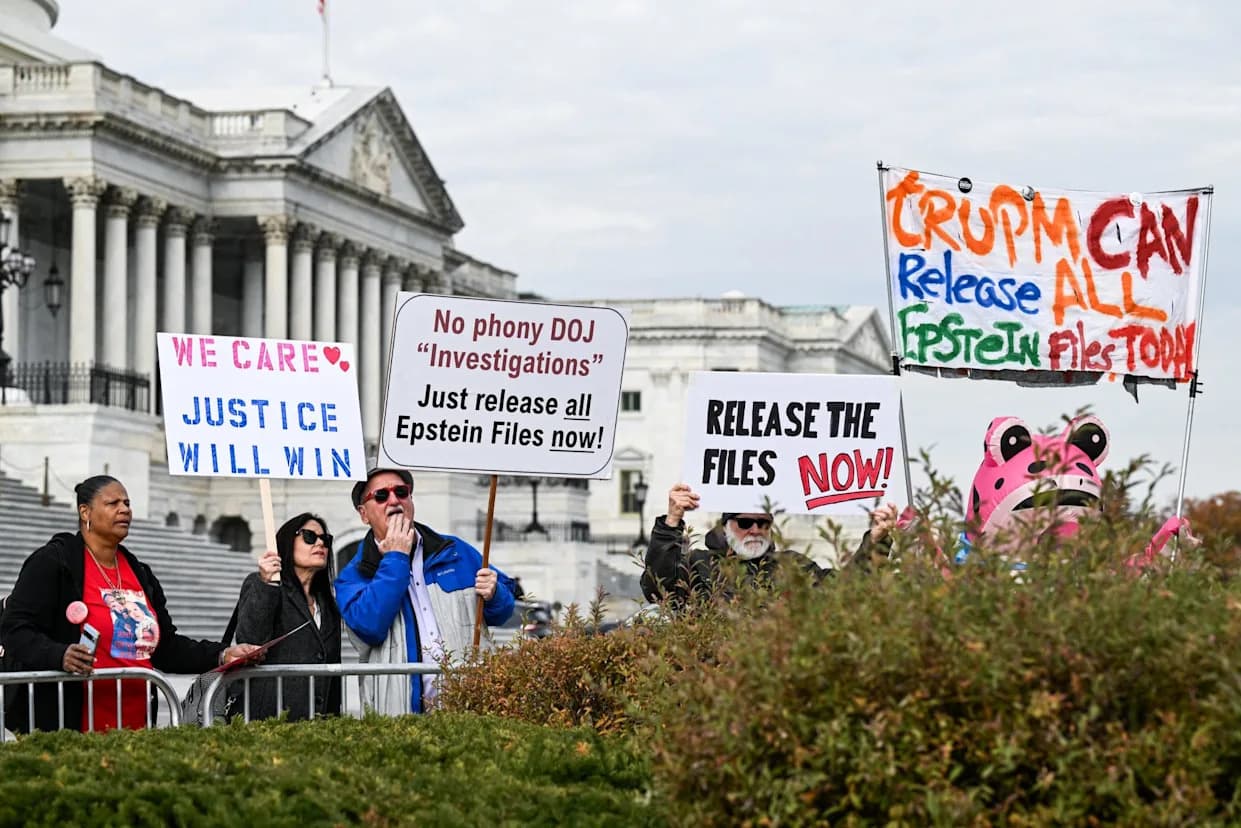
The transparency act directs the Justice Department, the FBI and federal prosecutors to publish unclassified documents and investigative materials amassed during investigations into Epstein’s long-running sexual abuse of women and girls. It specifically calls for disclosure of files relating to immunity agreements and internal communications about charging or probing particular individuals.
The department notes the grand jury materials at issue consist largely of law-enforcement testimony and do not include victims' testimony. It said any released documents could be redacted to protect victims' identifying information and other sensitive details.
Court deadlines and prior rulings
Judge Engelmayer invited Maxwell and identified victims to respond to the government's request by Dec. 3; the government must reply by Dec. 10. He said he would rule "promptly thereafter."
Both judges have previously denied broad disclosure. Engelmayer, who presided over Maxwell’s 2021 trial, concluded in an Aug. 11 decision that federal law generally bars release of grand jury materials and warned that routine publication could create an "illusion" of transparency. After privately reviewing the transcripts, he wrote, a reader would "learn next to nothing new" and be left "disappointed and misled."
Judge Berman ruled on Aug. 20 that there was a "significant and compelling reason" to keep Epstein’s grand jury transcripts sealed because their contents "pale in comparison" with the vast investigative record already in the government's possession. He described the transcripts as roughly 70 pages, accompanied by a PowerPoint slideshow and a call log, and characterized them as "merely a hearsay snippet" amid about 100,000 pages of related government material.
What the transcripts reportedly contain
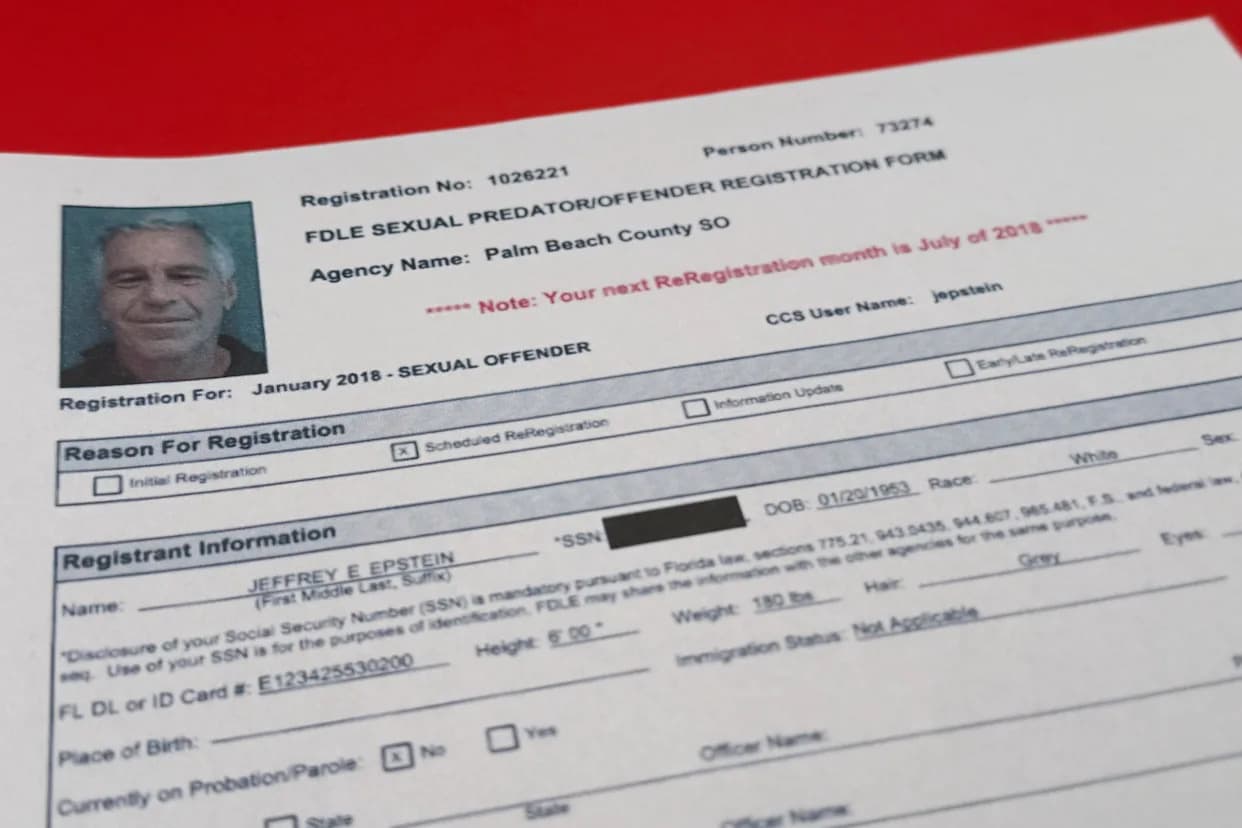
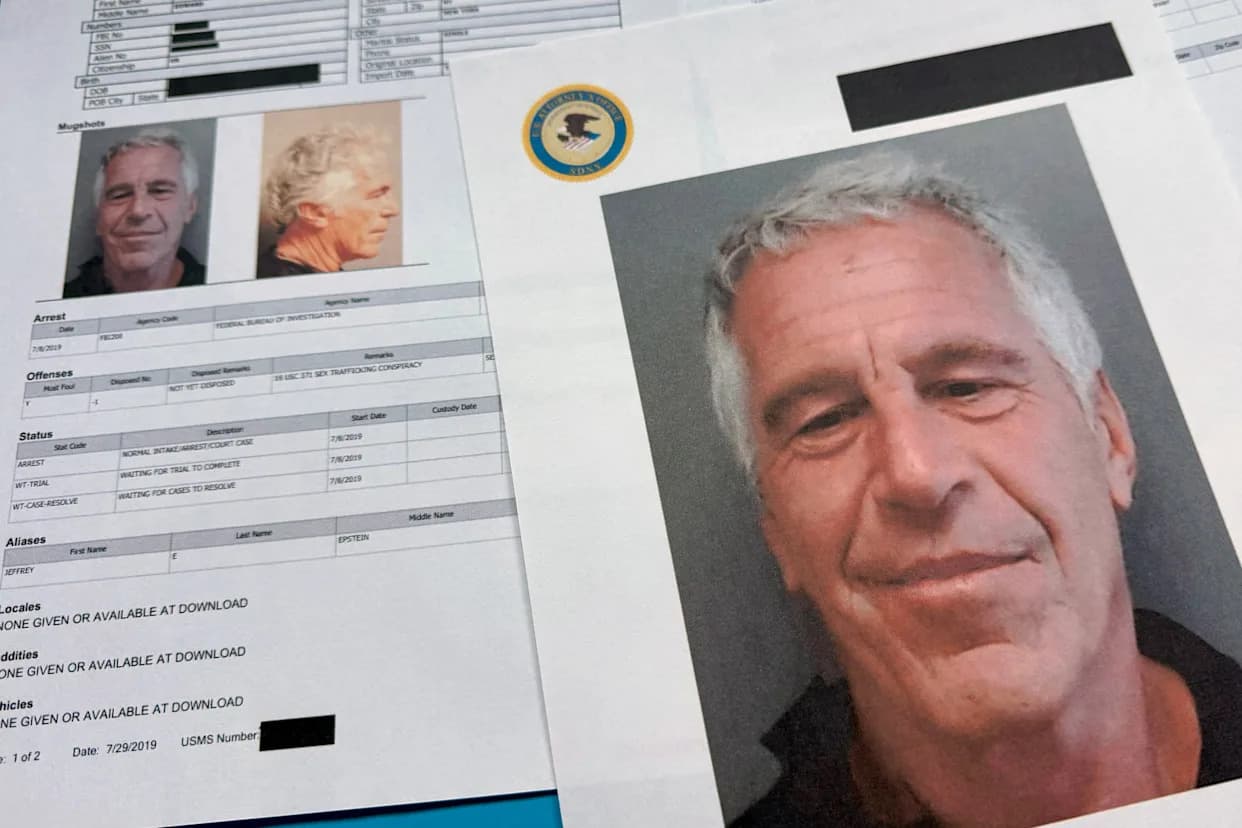
According to prior court descriptions and Justice Department filings, the Epstein grand jury heard testimony from an FBI agent who the judge said "had no direct knowledge of the facts of the case"; that testimony took place on June 18 and July 2, 2019, with the July 2 session culminating in a grand jury vote to indict. Epstein was arrested on July 6, 2019, and died in custody on Aug. 10, 2019. The same FBI agent later testified to the Maxwell grand jury in hearings held in mid-2020 and March 2021; a New York City police detective was the only other witness in Maxwell’s proceedings.
The Justice Department previously sought unsealing in July at the direction of President Donald Trump as his administration moved to respond to criticism after backing away from a campaign pledge to open what have been called the government's Epstein files. The current filings represent the department's effort to comply with the new law while preserving appropriate victim protections and other legitimate confidentiality concerns.
Help us improve.