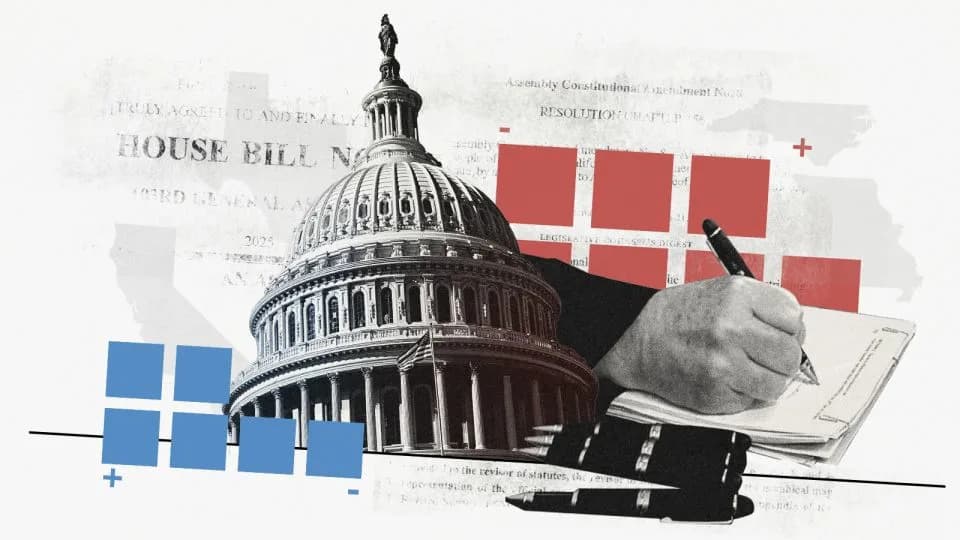
President Trump has taken an unusually active role in planning the GOP’s 2026 midterm strategy, personally endorsing candidates and urging incumbents to run again to avoid risky primaries. The administration is centering its message on affordability, tax cuts from the One Big Beautiful Bill Act and selective tariff rollbacks. With slim Republican majorities at stake and Trump’s approval rating under pressure, the campaign will focus on turning out infrequent midterm voters while navigating the risks of a more visible president.
Trump Takes Command of GOP’s 2026 Midterm Strategy as His Presidency Hangs in the Balance

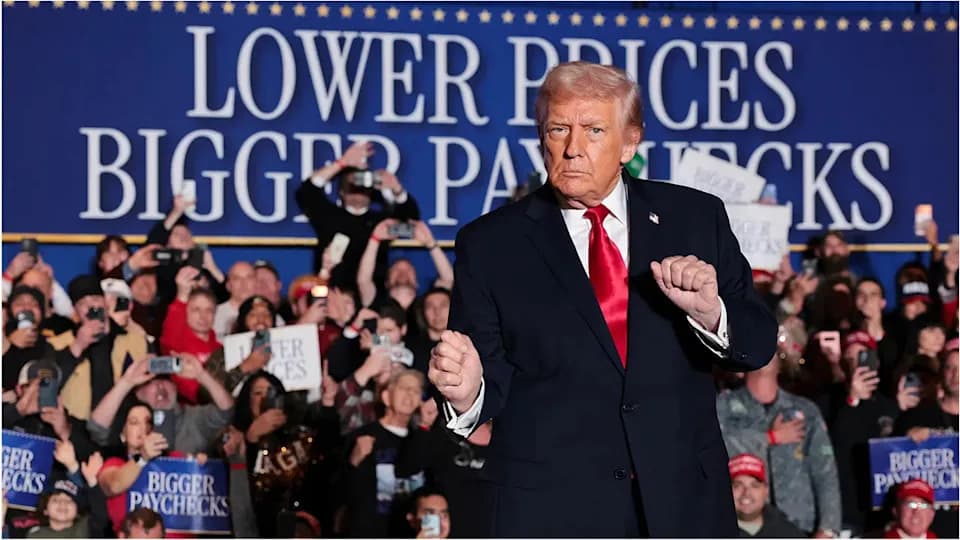
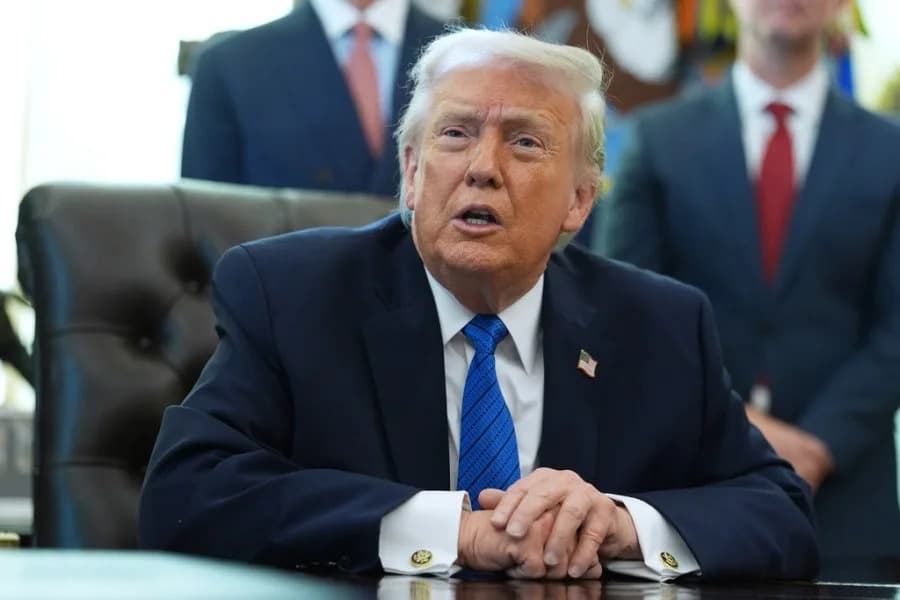
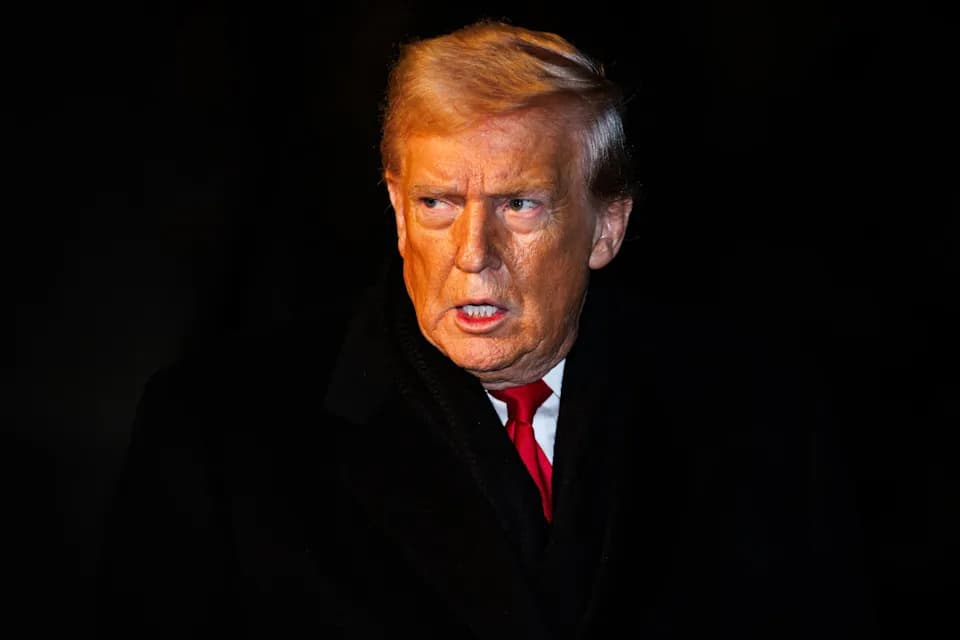
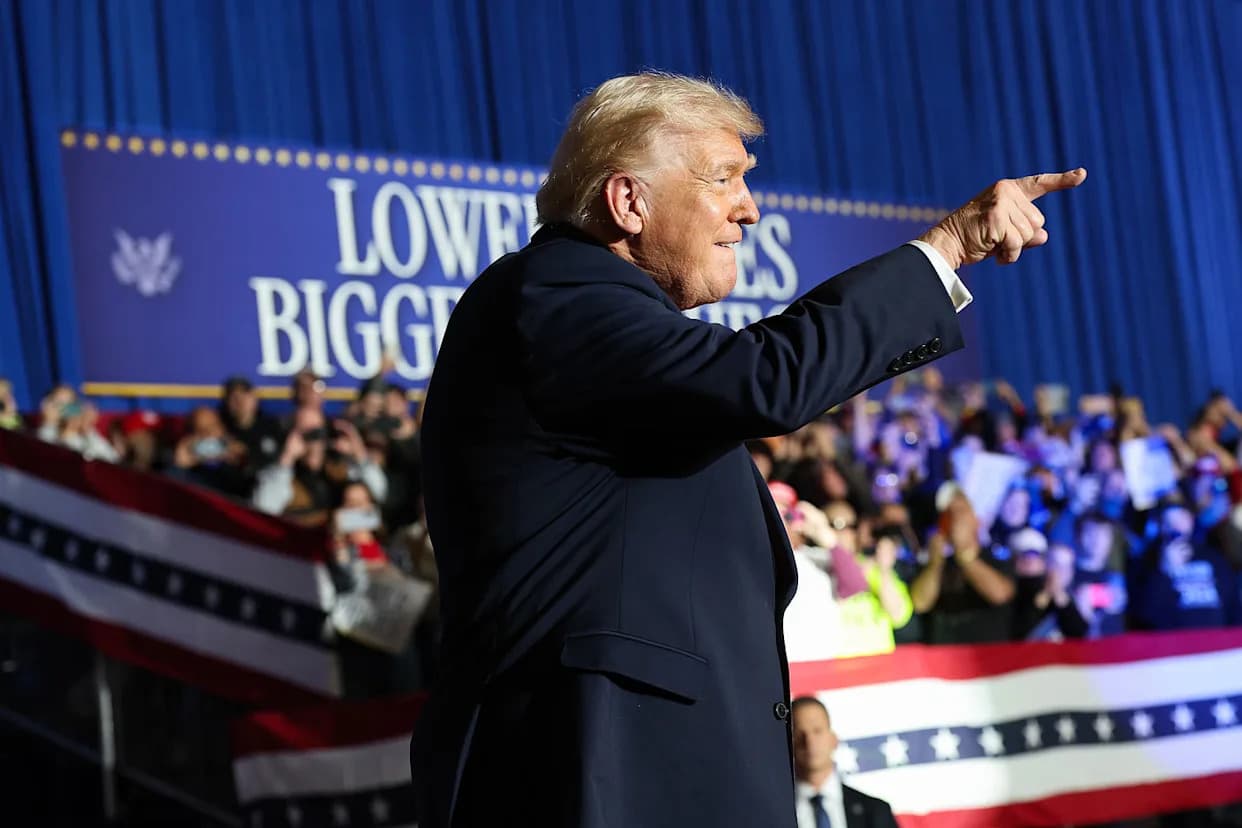
President Donald Trump has moved aggressively into preparations for the 2026 midterm elections, personally endorsing candidates, urging incumbents to run again and pressing advisers to make affordability the centerpiece of Republican messaging. His interventions — unusually hands-on for a sitting president this far ahead of midterms — reflect concerns about narrow GOP majorities and the personal stakes for his presidency.
Why he’s acting now
Mr. Trump intensified his involvement after recent state and local elections when exit polling and vote results signaled voter discontent over rising living costs. In private meetings with aides, the president urged Republicans to reclaim the affordability narrative and highlight where his administration has lowered prices. He has also encouraged lawmakers considering bids for higher office to seek reelection to avoid risky primaries and potential seat losses.
Economic message: affordability and tax cuts
The White House is pushing a message that recent policy moves — including tax legislation and selective tariff rollbacks on items such as beef, coffee and fruit — will ease household budgets. The administration wants GOP candidates to emphasize the tax package passed in July, dubbed the One Big Beautiful Bill Act, which makes many prior tax cuts permanent and is projected to yield an average individual tax cut of about $3,752 in 2026, according to an independent analysis.
Advisers argue these changes will translate into bigger refunds and more disposable income next spring, but outside analysts caution that tax cuts alone may not erase voter pessimism about prices and the broader economy.
Political stakes and strategy
Republicans hold slim majorities in both chambers of Congress. For Trump, maintaining control of the House and Senate is both a policy imperative and a personal safeguard: losing one chamber could empower Democrats to pursue investigations or impeachment proceedings that would consume the presidency and hinder his agenda.
To blunt Democratic gains, Trump and party operatives plan to mobilize infrequent midterm voters — a tactic that helped him in the presidential election — and to concentrate resources on vulnerable races. He has already made dozens of early endorsements across Senate and House contests and personally urged several members to seek reelection rather than higher office.
Risks and reactions
Trump’s approval rating has weakened in recent polling, falling to roughly 38% in a poll released Nov. 18. Party operatives acknowledge that an unpopular president can be a drag on down-ballot candidates, and Democrats argue a high-profile Trump-centered campaign will energize their voters.
Senior White House aides and advisers describe frequent briefings, polling reviews and direct outreach to allies as part of a sustained, hands-on effort to shore up Republican prospects ahead of 2026.
By Nandita Bose and Tim Reid
Help us improve.