At the G20 summit in South Africa, leaders sought to reaffirm multilateralism amid a notable US absence. Canada’s prime minister warned the world could "move on without the US," saying the economic centre of gravity is shifting. Although leaders approved a declaration opposed by the United States, signs of division — including quick coordination on a US-backed Ukraine peace plan and the formation of smaller blocs — highlighted ongoing fractures. Germany's chancellor summed up the moment: "The world is reorganizing itself."
G20 Summit Seeks New Global Balance as US Steps Back

The G20 summit in South Africa gathered world leaders to map a path forward for a global order being reshaped by a retreating United States. The South African hosts portrayed the meeting as a win for multilateralism after leaders approved a declaration that Washington opposed.
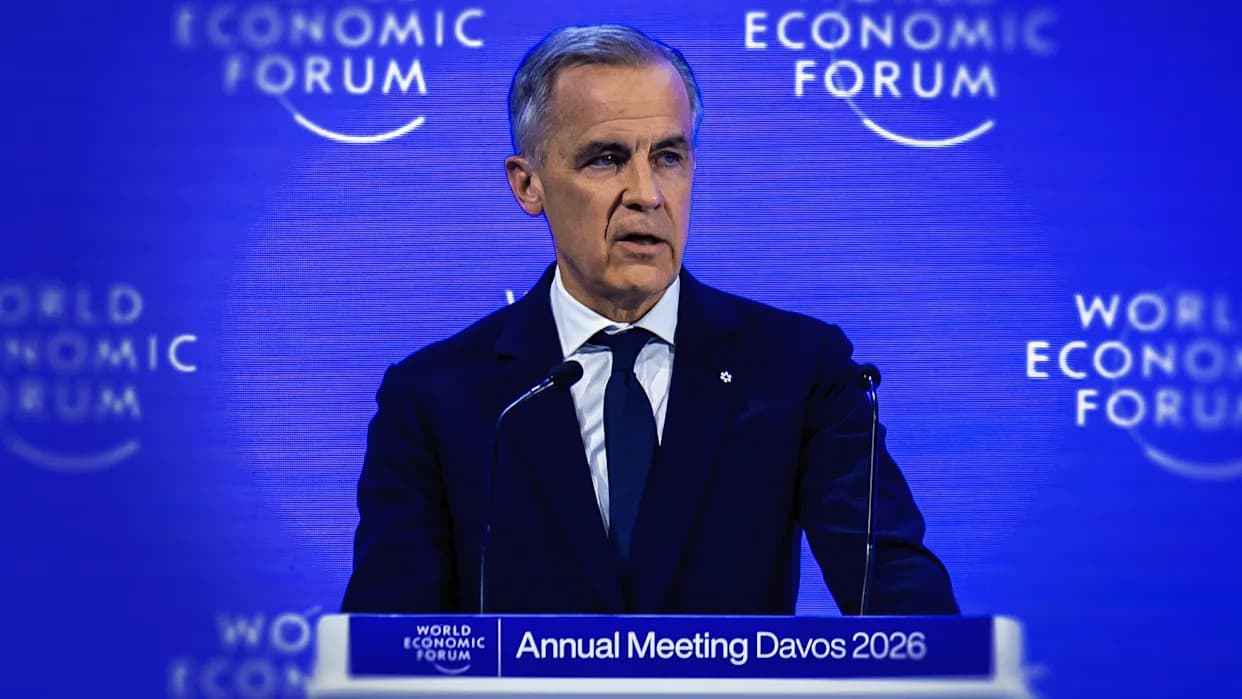
Canada’s prime minister warned that the world could "move on without the US," arguing the centre of gravity in the global economy is shifting. Delegations emphasized the continuing importance of collective action even as geopolitical alignments evolve.
At the same time, visible divisions tempered the celebratory tone. Western leaders moved quickly to coordinate a response to a US-backed peace plan for Ukraine, and smaller coalitions formed as countries pursued distinct priorities — a sign that the G20 can foster cooperation while reflecting competing interests.
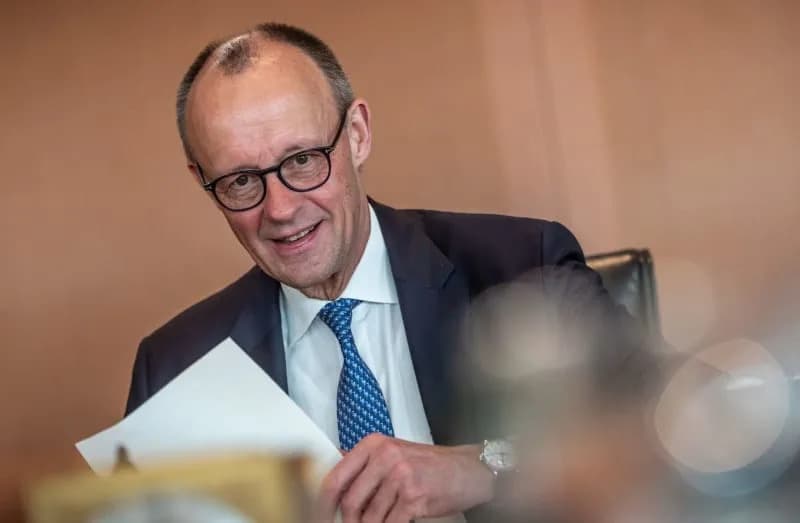
"The world is reorganizing itself," Germany's chancellor said, capturing the summit's central tension between collaboration and competition.
Whether the summit's declarations translate into sustained, coordinated policy will be the key test in the months ahead. The G20's outcome suggests that multilateralism remains a shared goal, but implementation will require bridging fractures among major powers and emerging blocs.
Help us improve.