The Department of Government Efficiency, nicknamed Doge, appears to have been quietly dissolved about eight months early after a tumultuous run inside federal agencies. Led publicly by Elon Musk and Vivek Ramaswamy, the unit oversaw major workforce reductions—about 200,000 layoffs and 75,000 buyouts—that its leaders say saved billions but which experts cannot verify without public records. Internal turmoil, a public feud involving senior figures, and the reassignment of key staff to other government roles preceded the wind-down. The Office of Personnel Management has absorbed many of Doge’s former duties while questions remain about the initiative’s legacy.
Inside the Quiet End of 'Doge': Trump’s Government Efficiency Unit Disbanded Early

The Department of Government Efficiency—widely known as Doge—appears to have been dissolved roughly eight months before its contract was set to expire, bringing an abrupt end to a controversial effort to embed teams across federal agencies and oversee sweeping workforce reductions.
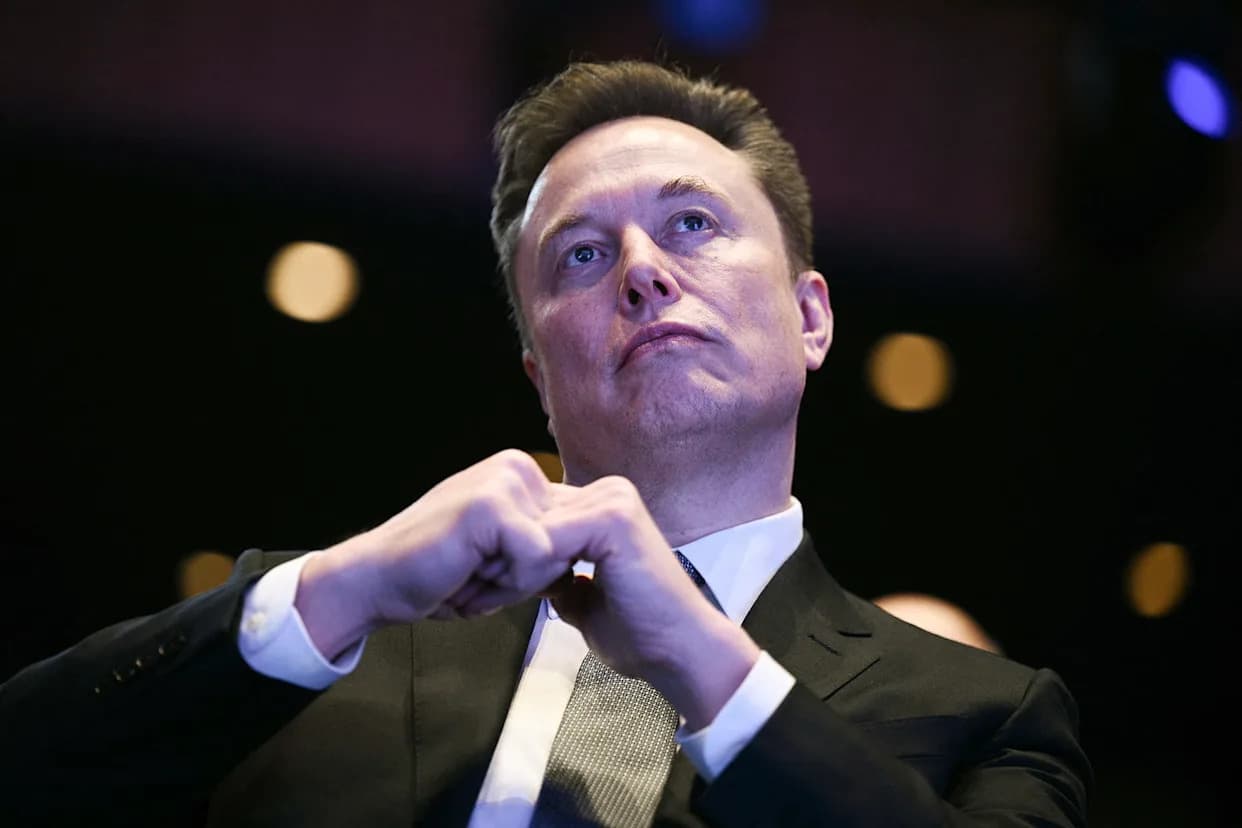
Office of Personnel Management (OPM) director Scott Kupor said earlier this month that Doge "doesn’t exist" as a centralized entity, confirming long-held suspicions that the initiative had been wound down. The unit had been launched by executive order on the president’s first day in office and publicly led by Elon Musk and Vivek Ramaswamy, with a mandate to pursue "large-scale structural reform" through July 24, 2026.
Leaders and spokespeople for the effort previously defended Doge’s activities and touted transparency, but many federal officials and outside observers complained the unit often operated without clear identification, cut agency budgets unilaterally, and failed to publish a public accounting of its work.
Insiders say signs of unraveling appeared over the summer. Reports surfaced that staffers were packing belongings and abandoning makeshift sleeping arrangements at the unit’s headquarters. The shift followed a high-profile online dispute between the president and one of Doge’s public faces, and prompted anxiety among team members that their roles in large-scale program cuts and job eliminations could invite legal or political consequences.
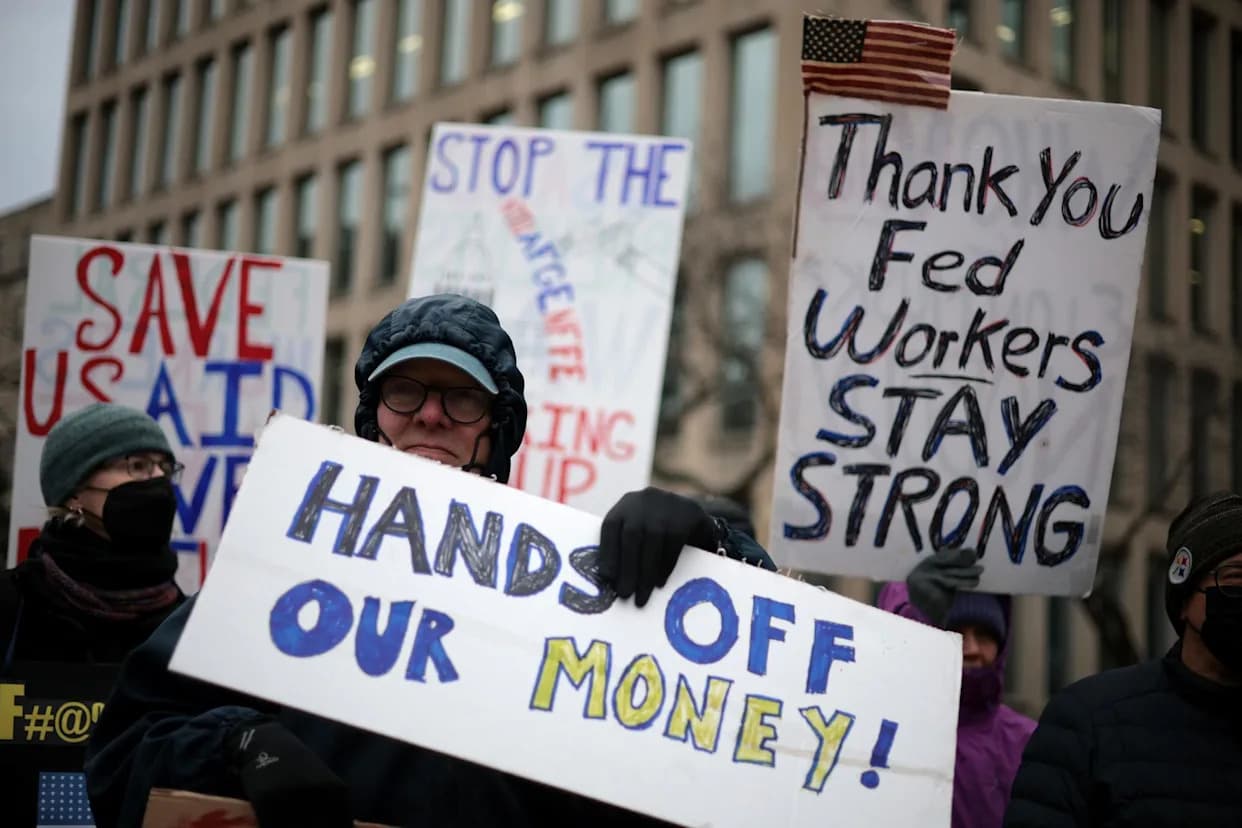
By May, the effort had overseen roughly 200,000 federal layoffs and about 75,000 buyouts. Doge officials asserted those reductions produced billions in savings, but without transparent records independent experts said the claims could not be verified.
“Now, if somebody from Doge, or representing themselves from Doge, asked me to do something, I wouldn’t just blindly do it,”
— a former Doge official now working at a federal agency
Internal documents and administrative actions show the Office of Personnel Management has absorbed many of Doge’s responsibilities. The president has at times referred to Doge in the past tense, and the departure of top figures from Washington added to uncertainty about the unit’s future.
Where key players went next
Several senior Doge staffers have been reassigned across government. Amy Gleason, who served as acting administrator, moved to an advisory role at the Department of Health and Human Services. Zachary Terrell took a role as chief technology officer at the Department of Health, and Rachel Riley became chief of the Office of Naval Research. Joe Gebbia, a high-profile departure, was later tapped to lead efforts to modernize government websites and has since launched initiatives related to law enforcement recruitment and public outreach on drug pricing reform.
The quiet wind-down of Doge leaves open questions about the long-term impact of its work: whether the personnel changes and claimed savings will hold up under scrutiny, and how the responsibilities and lessons of the experiment will be integrated into permanent government operations. Officials and independent analysts say transparent records and clear metrics will be necessary to evaluate the initiative’s true costs and benefits.
Help us improve.