The International Space Station normally hosts about seven people and orbits Earth roughly 16 times a day. Since 2020, brief crew "handover" periods allow outgoing and incoming crews to overlap for a few days, temporarily increasing headcount. The ISS has been continuously occupied since 2000, offers significant living and working space, and has experienced occasional technical incidents such as a Soyuz coolant leak and a Nauka software glitch.
Inside the International Space Station: How Many People Live There?

Overview
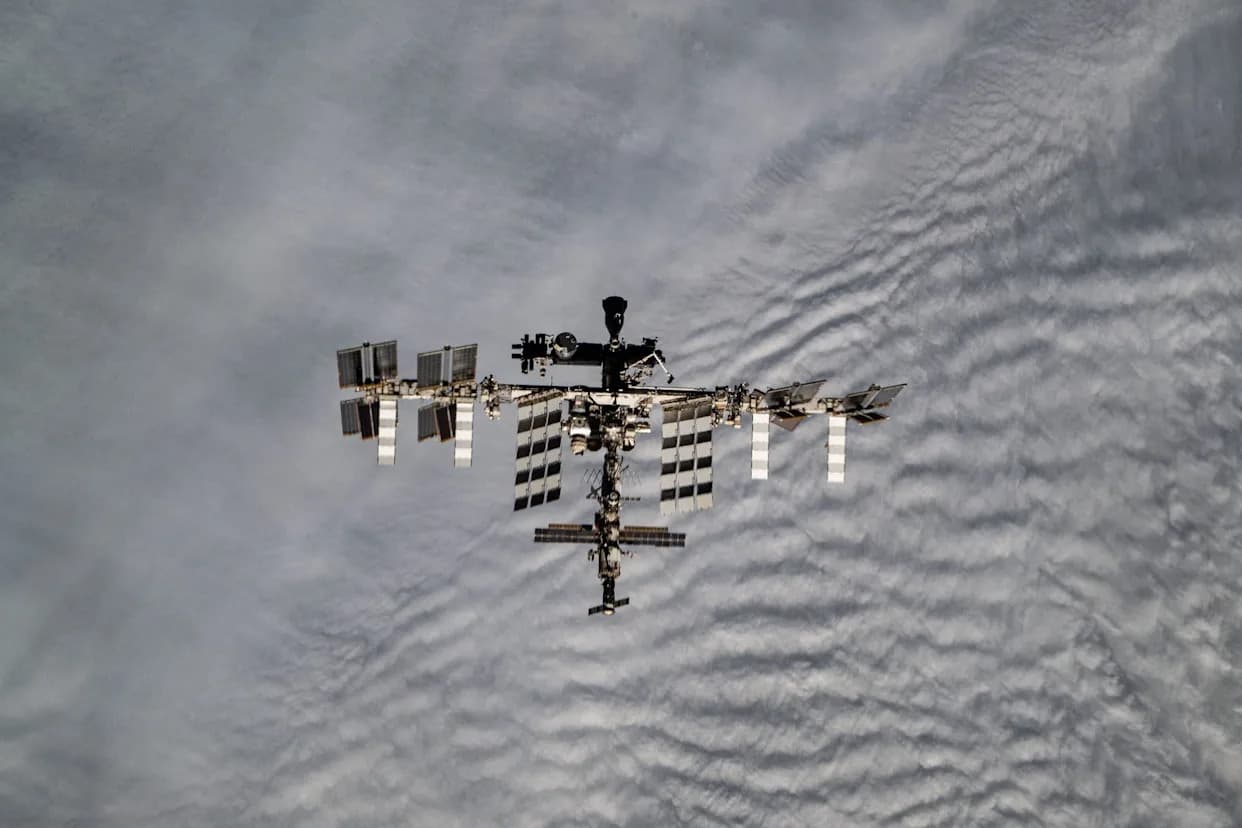
The International Space Station (ISS) is a long-running symbol of international cooperation in space. Built by the United States, Canada, Japan, European partners and Russia, assembly began in 1998. The complex orbits Earth roughly 16 times each day and serves as a research laboratory and home for astronauts conducting long-duration science and maintenance.
Crew Size and Handovers
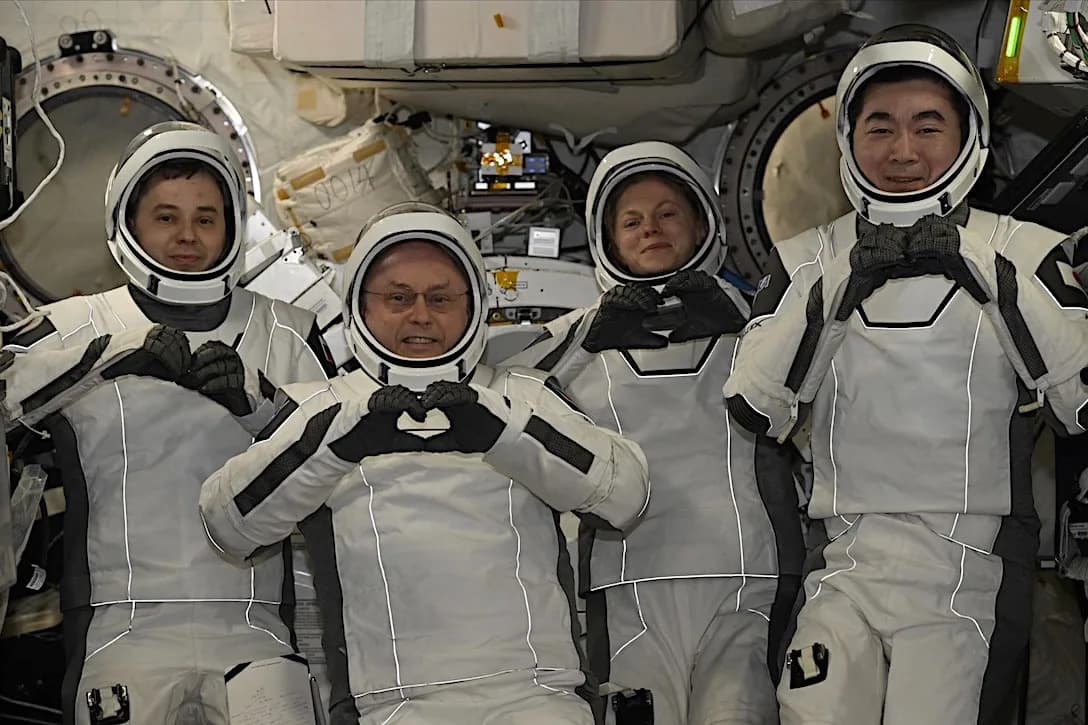
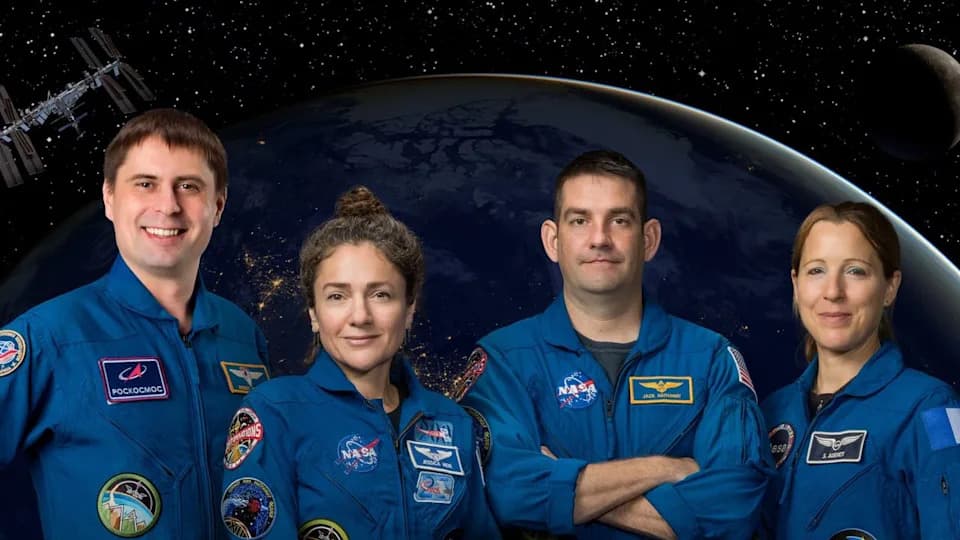
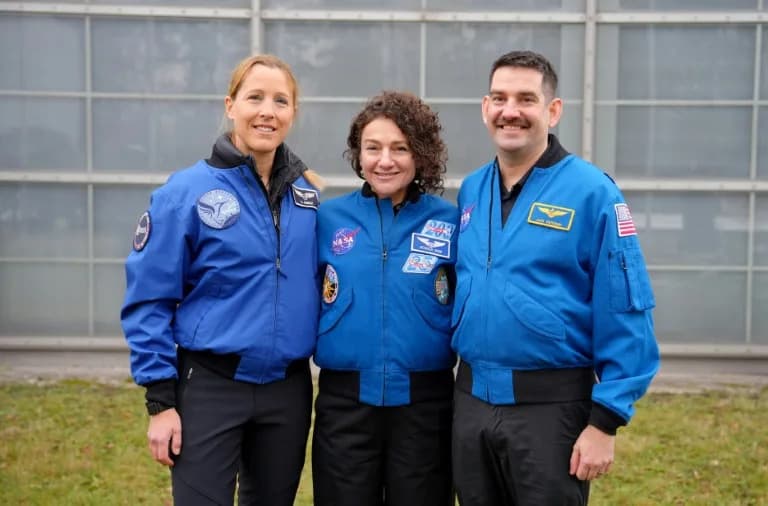
At most times the ISS is home to about seven crew members. Since 2020, mission planners have used brief "handover" periods during crew rotations so outgoing and incoming crews overlap for a few days; this practice helps transfer knowledge and maintain uninterrupted operations and temporarily raises the onboard headcount.
The station has been continuously occupied since 2000. The current long-duration team, Expedition 73, has been aboard since April 19, 2025, with the mission scheduled to conclude in December 2025.
Records and Notable Visits
The maximum number of people aboard the ISS at one time is 13, which happened three times during Space Shuttle dockings when a shuttle with seven astronauts visited a six-person resident crew. A recent high-water mark was 11 when additional crew arrived on a visiting vehicle.
Living and Working Space
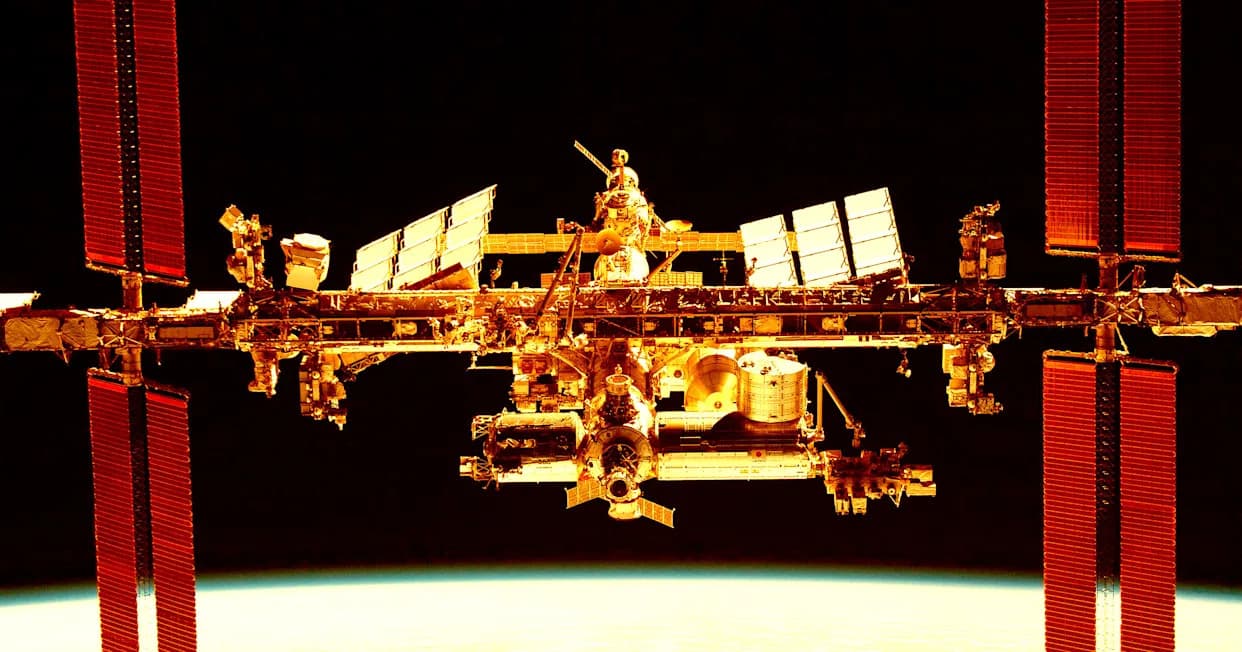
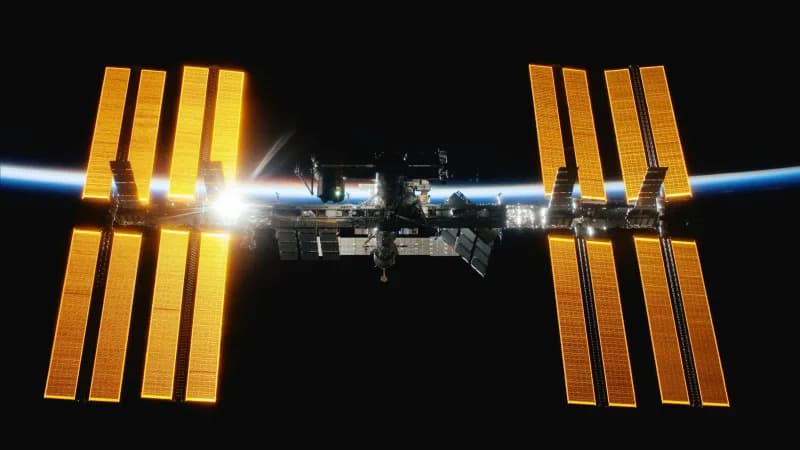
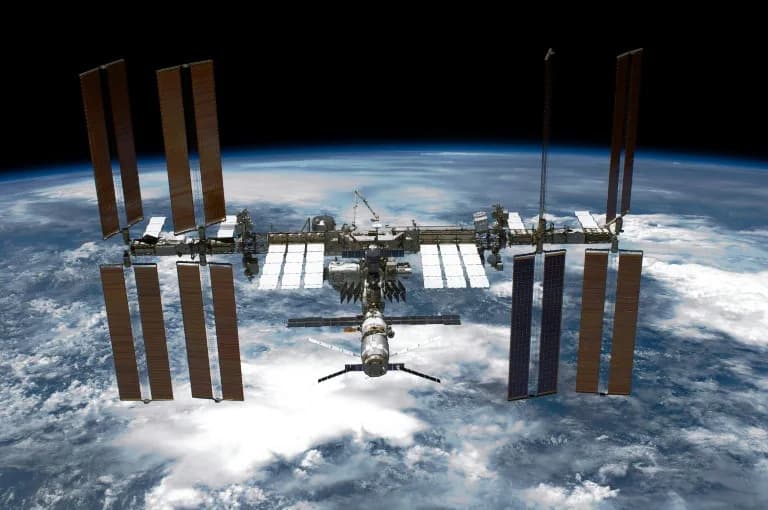
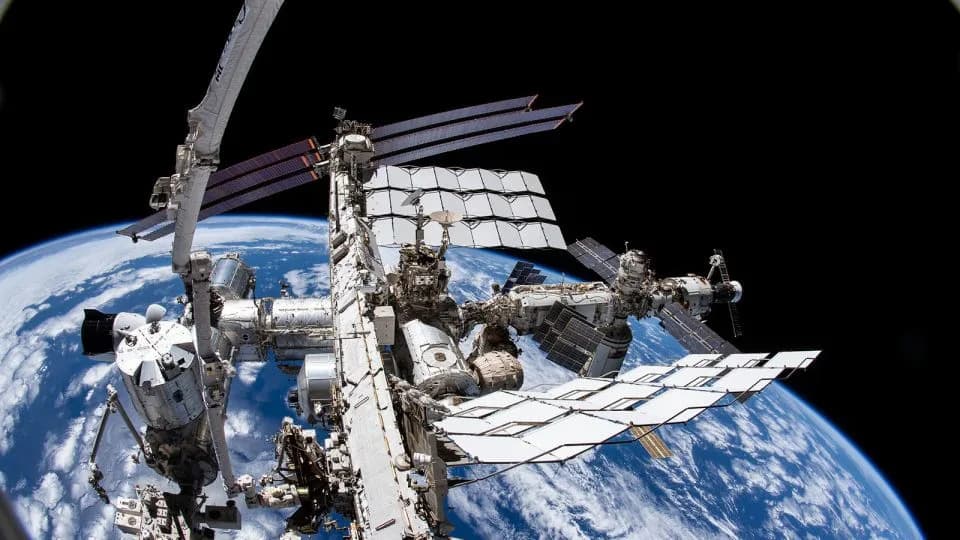
From the outside the station can look like a jumble of solar arrays and modules, but inside there is a surprising amount of usable space. The structure is nearly the length of an American football field — about one yard short. For daily life, the ISS includes six crew sleeping quarters, two toilets, a full exercise area, and a 360-degree observation cupola that offers expansive views of Earth. During overlap periods when more people are aboard than permanent sleeping berths, flight controllers and crew coordinate temporary sleep locations, typically placing visitors in quieter modules.
History, Risks and Rules
Approaching three decades of operation, the ISS is the largest human-made structure ever assembled in orbit and has supported hundreds of missions ranging from payload deliveries to assembly flights and crew rotations. The station's first long-duration crew, Expedition 1, arrived on October 31, 2000, and returned to Earth in March 2001.
While most missions succeed, the ISS has experienced serious incidents. Examples include a puncture to the Soyuz MS-22 spacecraft that caused a coolant leak and a software malfunction on Russia's Nauka module that caused unexpected attitude changes. To protect life support and equipment, crew members must follow strict rules about what they bring aboard — for example, carbonated beverages and crumbly foods that could foul equipment are restricted or banned.
Quick Facts
- Typical crew size: ~7
- Orbit frequency: ~16 circuits per day
- Maximum recorded onboard population: 13
- Continuous occupation since: 2000
If you want to follow current crew lists or live views from the cupola, official space agency websites and trackers provide up-to-date information and imagery.
Help us improve.