SHRM, the world’s largest HR association, is under scrutiny after a string of controversial internal policies, repeated reorganizations and layoffs, and public remarks by its CEO that many employees found demeaning. Critics point to a strict arrival rule, a restrictive dress memo, and a shift away from "equity" in DEI messaging as evidence the group isn’t modeling best practices. Leadership counters that revenue and membership have grown and that reorganizations are strategic.
Inside SHRM's Turmoil: Controversial Policies, Repeated Layoffs, and a Leadership Reckoning
Summary: The Society for Human Resource Management (SHRM), the world’s largest HR trade association, is facing internal unrest and public criticism after a series of workplace policies, reorganizations, and public comments by senior leadership. Former employees describe a punitive culture and frequent restructurings; leaders point to membership and revenue gains as evidence of a successful turnaround.
What happened
On Sept. 11, a Marilyn Monroe impersonator sang a sultry version of "Happy Birthday" to an executive at SHRM's Virginia headquarters following remarks marking the anniversary of the 2001 terror attacks. Several staffers who were present described the moment as uncomfortable and out of step with an organization whose mission is to set standards for workplaces.
Flashpoints and policies
- Attendance rule: A newly enforced policy reportedly required employees who arrived even one minute after 9:00 a.m. to check in with security and be escorted to their desks; former staffers say the rule caused stress and at least one injury from rushing to meet the cutoff.
- Dress-code memo: A January memo referenced the concept of "enclothed cognition" and encouraged conservative business attire while listing banned items such as sneakers, denim, sequins, and revealing clothing. SHRM leadership says the organization broadly maintains a business-casual approach and that the memo was not a formal organizational policy.
- Public comments from the CEO: In a recorded all-hands meeting, CEO Johnny C. Taylor Jr. described some employees as "entitled," "complacent," and "sloppy" while announcing a major reorganization and forthcoming staff reductions. Clips of those calls were later shared on social media, accelerating internal and external scrutiny.
Layoffs, reorganizations, and workplace culture
Former employees say SHRM has gone through repeated reorganizations and layoffs in recent years; some describe an atmosphere of fear that discourages dissent. Leadership argues that the changes are part of strategic repositioning to strengthen the organization and improve alignment with its mission.
"Literally, I've not told anyone, because I've been trying to figure out where I was going to land, and I've landed on a decision. I am going to reorganize the business of SHRM. There will be a total reorg…" — Johnny C. Taylor Jr.
SHRM's public filings show significant revenue growth — from roughly $131 million in 2017 to about $233 million most recently — and membership and revenue gains during Taylor's tenure. At the same time, membership fees have increased and CEO compensation has risen substantially, which has drawn criticism from some members and former staff.
Legal and DEI controversies
SHRM faces a pending racial discrimination and retaliation trial filed by a former employee; jury selection is scheduled to begin Dec. 1. Court records and filings raise questions about the organization's internal handling of investigations. In discovery, SHRM disclosed other discrimination-related complaints dating back to 2018 and 2021.
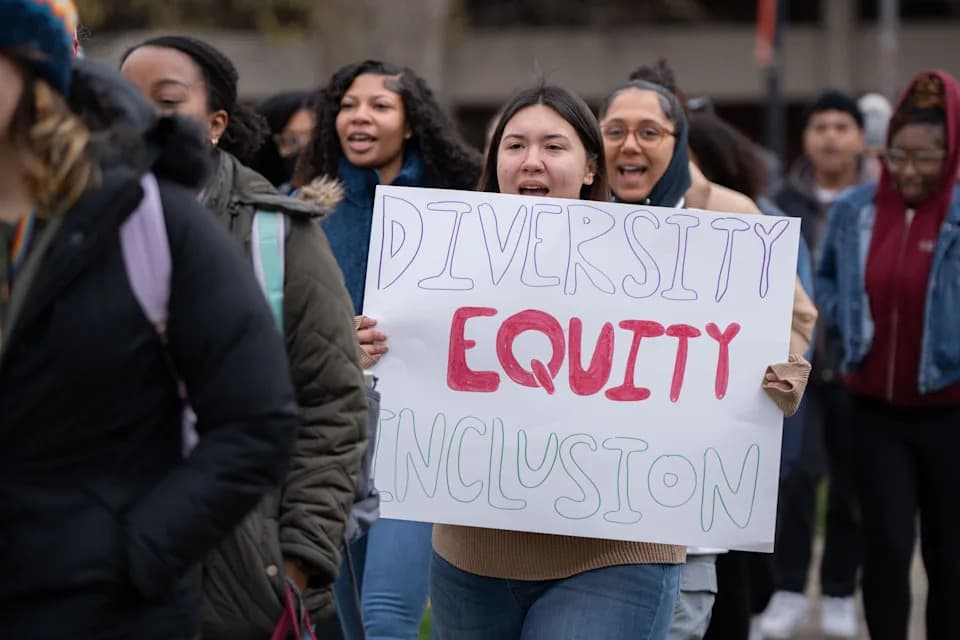
SHRM has also shifted its public approach to diversity work: it removed the word "equity" from its DEI framework in mid-2024 and now refers to "inclusion and diversity" or I&D. That change, and the choice to include a vocal anti-DEI commentator on a recent conference panel, prompted some members and partners to criticize the organization and, in some cases, to end collaborations or decline to renew memberships.
Reaction from members and former staff
Some long-standing members and HR professionals have declined to renew membership in response to the controversies; others defend the organization’s right to host diverse perspectives. Former staff have shared experiences on social media and urged colleagues to reconsider supporting SHRM financially. Leadership emphasizes the group's mission success and financial health while acknowledging changes are challenging.
Why it matters
SHRM is widely used as a source of HR guidance, legal templates, and credentialing. Critics argue that an organization advising employers about best practices should model the policies it promotes. Supporters say SHRM has expanded its reach and resources under current leadership and is engaging in difficult but necessary changes.
Key figures and dates: Revenue rose from about $131M in 2017 to $233M most recently; membership revenue increased from $69M in 2023 to $75.6M in 2024; annual membership fees were raised to $299 in 2024–25; CEO Johnny C. Taylor Jr.'s reported compensation increased to about $4M last year; discrimination trial date: Dec. 1.
Sources and reporting: Reporting and interviews with more than two dozen current and former SHRM employees, nearly a dozen members, and reviews of legal, tax, and government records. Reporters: Sarah E. Needleman and Jack Newsham.
Help us improve.