Germany’s coalition has agreed a major defence reform to grow the Bundeswehr to 260,000 active troops and add 200,000 reservists by 2035. The bill prioritises voluntary enlistment with enhanced pay and incentives but allows mandatory call-ups if targets are missed. It introduces questionnaires for all 18-year-olds and medical screening for young men, reflecting concerns about Russia and pressure for Europe to shoulder more defence responsibility. The plan is politically divisive and its success depends on public response and recruitment over the coming decade.
Germany's Big Military Push: New Conscription Bill Aims to Build Europe’s Strongest Army

German Chancellor Friedrich Merz has launched an ambitious plan to rebuild the Bundeswehr, pledging to make it "Europe’s strongest conventional army." The governing coalition has agreed on sweeping reforms intended to expand active personnel, boost reserves, and strengthen recruitment incentives as Europe faces renewed security concerns stemming from Russia’s war in Ukraine and shifts in transatlantic policy.
Key measures in the bill
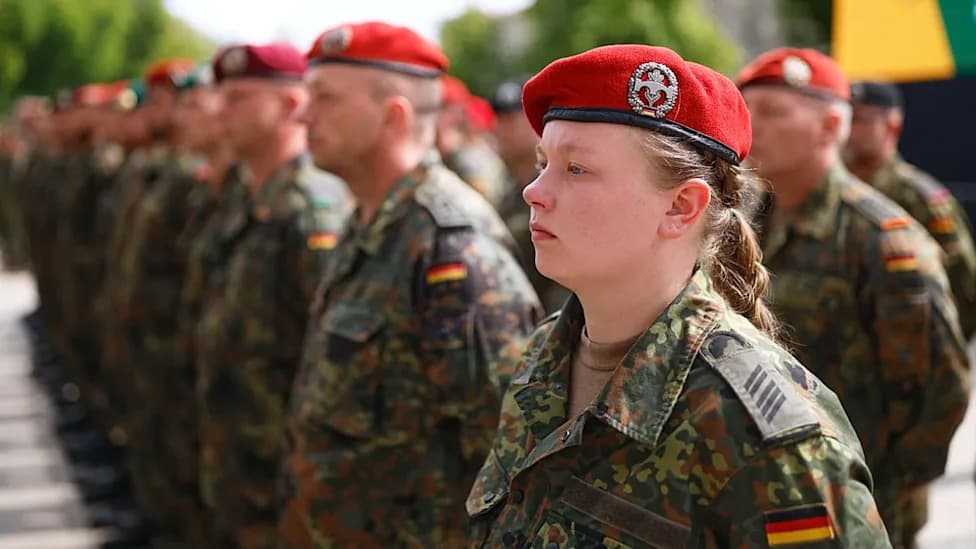
The package agreed by the coalition aims to increase the active force from about 180,000 today to roughly 260,000 by 2035, and to add around 200,000 reservists. Initial recruitment will focus on voluntary enlistment, with improved incentives including a starting monthly salary of €2,600 (about $3,000), an increase of €450 over current pay.
If voluntary quotas are not reached, the legislation gives the government the authority to implement mandatory call-ups. From next year, all 18-year-olds will receive a questionnaire about their interest in serving; completing it will be compulsory for young men. From 2027, 18-year-old men will also undergo mandatory medical screenings as part of the assessment process.
Why now?
Policy-makers cite a combination of factors driving the change: the ongoing war in Ukraine, warnings from allies that Europe must shoulder more defence responsibility, and assessments by German military leadership that a conventional attack on NATO territory cannot be ruled out in the coming years. Germany’s chief of defence, Gen. Carsten Breuer, has urged NATO members to prepare for possible aggression within the next four years.
Political debate and public reaction
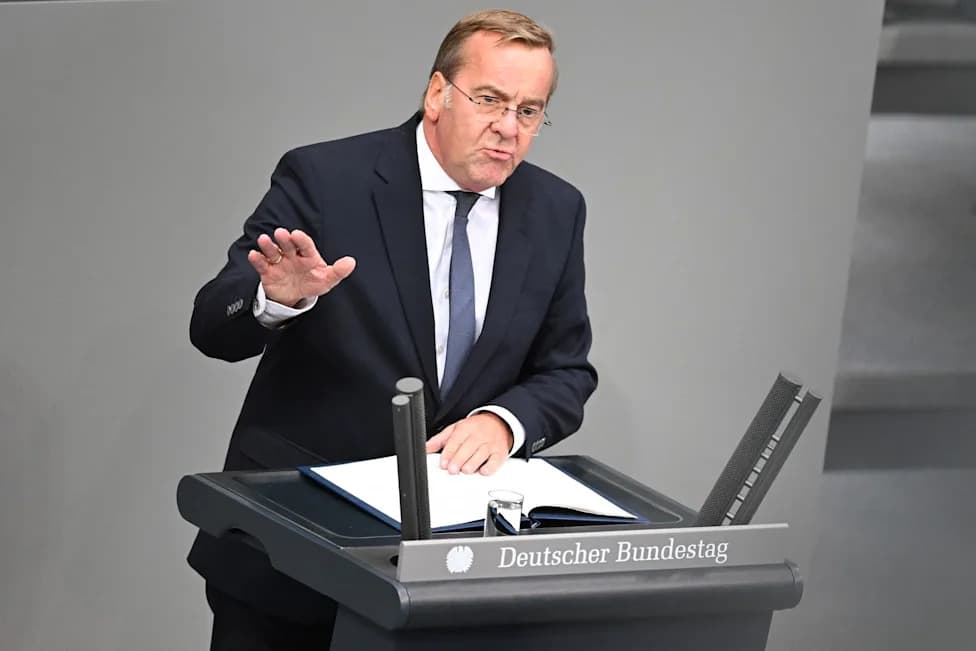
The proposal remains politically contested. Coalition partners — the conservative CDU and the centre-left SPD — debated multiple models, including a "lottery-style" selection system that was ultimately rejected. Defence Minister Boris Pistorius favours an incentives-based approach, arguing that better pay, training and equipment will strengthen deterrence and reduce the likelihood of conflict.
Opponents, particularly on the left, oppose reintroducing compulsory service. A poll published before the coalition agreement showed strong opposition among supporters of the left-wing Die Linke party. Applications for conscientious objector status have surged this year — a sign of public unease — with 3,034 applications filed through 25 October, the highest number since conscription was paused in 2011.
Voices from experts and young Germans
Minna Ålander of Chatham House says Germany could play a major role in conventional defence given its location and resources but cautions that the recruitment targets will likely be met only in the 2030s. She also warned that mandatory service imposed on a sceptical population risks driving some young people to political extremes.
Young Germans interviewed express mixed feelings: some support stronger defence investment but resist compulsory service because of personal life plans, education concerns, or a principled opposition to conscription. Leonid Bekjarov, 21, supports increased military funding but opposes universal mandatory service.
Background and outlook
The Bundeswehr has faced decades of underfunding since the Cold War. After Russia’s 2022 invasion of Ukraine, then-Chancellor Olaf Scholz declared a "Zeitenwende" and Parliament established a special €100 billion fund to modernise the military. Merz has since committed to meeting NATO targets and doubling defence spending.
The bill must still clear the Bundestag, with a vote expected by the end of the year and implementation tentatively set for 1 January 2026 if approved. The government is betting that stronger pay and modernised structures will rebuild the armed forces largely through voluntary recruitment; whether that strategy will meet the stated targets or satisfy Europe's security needs in time remains uncertain.
Help us improve.